
Museums on the French Riviera Worth Every Detour
The Artists Came Here for the Light. You Should Come for the Art That Touches All Your Senses.
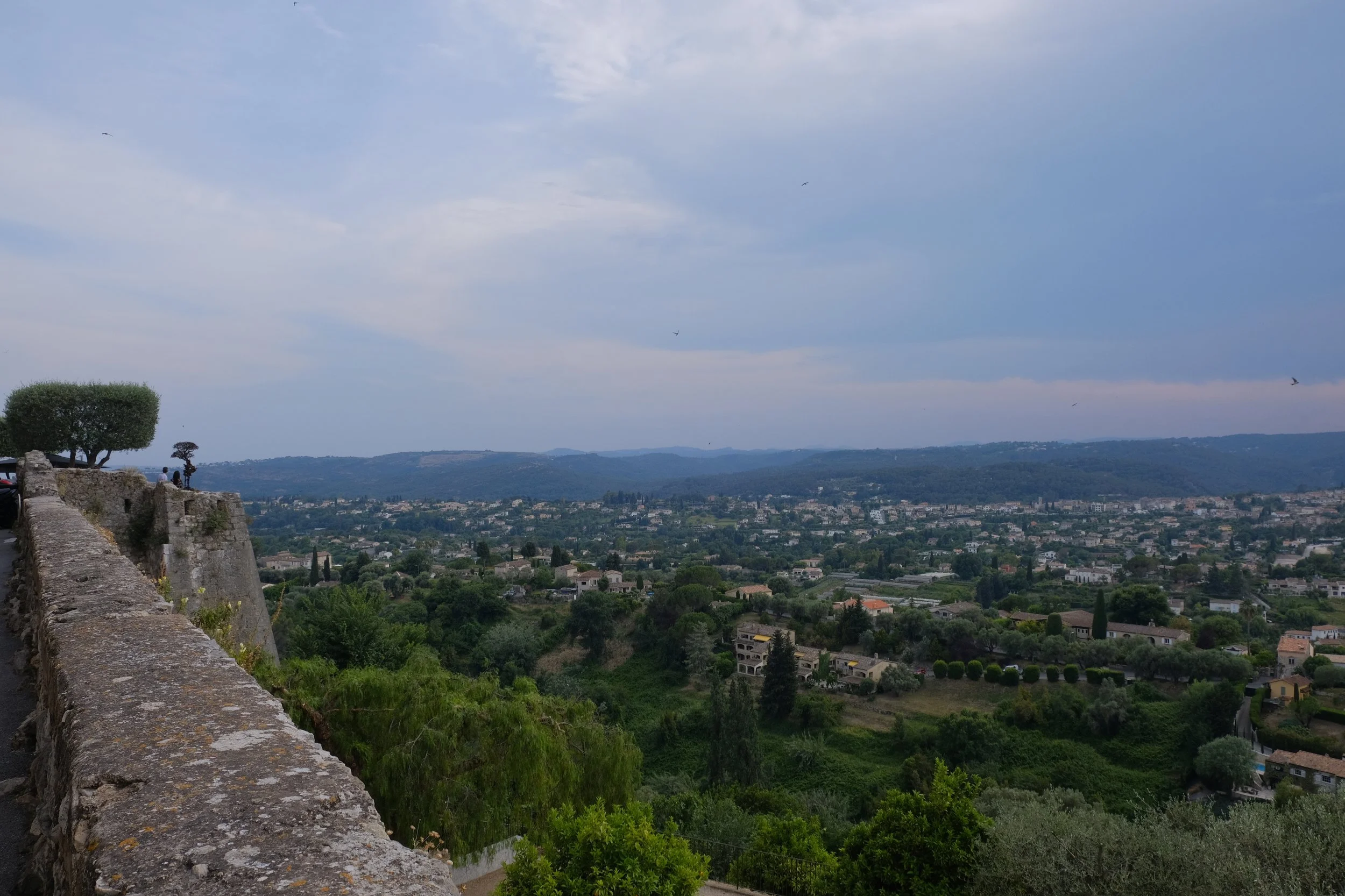
There is something that happens to artists when they arrive on the Côte d'Azur for the first time. And we can all understand why. Pay attention to the quality of the light — the way it falls differently here than anywhere else in the world: brighter, sharper, warmer, more golden all at once. Notice the very particular blue of the sky, the way it blends seamlessly into the horizon where it merges with the deeper blue of the sea. And the sunsets — tender and soft, as if painted in pastels. I could go on describing this place for a long time. What I know is that all of this made the most celebrated artists of the modern era want to stay, and keep working here.
Matisse came originally for his health, and then simply didn't want to go — creating some of the most significant works of his life here in the southern light. Renoir arrived in his sixties for the same health reasons, his hands already crippled by arthritis, and yet he painted some of his most joyful work here in the last twelve years of his life. Chagall found in this light a source of inspiration and spent the final decades of his life in Saint-Paul-de-Vence, a village above the sea. Bonnard lived quietly in Le Cannet, the small town above Cannes, and painted his garden over and over as if it contained every colour that had ever existed. And Picasso — Picasso's name is heard all along the entire coastline.
What all of this means for those of us who come after them is something quietly extraordinary: one of the greatest concentrations of artist museums in the world, where you can not only see their work but understand how they lived and created. For me, there is nothing more precious than that. These places allow you to feel each artist from the inside — to step into their light, their space, their daily life — and suddenly their work makes a different kind of sense.
Some people may feel that these museums are not particularly significant — after all, the greatest masterpieces are housed in the major museums of large cities. But for me, these museums hold far greater value. And I hope by the end of this article, you will feel the same.
Before You Go: A Few Things Good to Know
Most of these museums are small to medium in size — intimate, nothing like the overwhelming scale of national museums and galleries. You will not need a whole day for any single one. One or two hours is usually more than enough, which means you can realistically visit two in a day if you pace yourself well.
The museums are spread between Nice in the east and Cannes in the west, with several villages in between or above, up into the mountains. A car makes the journey easier, but trains and buses connect the main cities, and several museums are walkable from town centres or stations.
And always, always check the opening hours before you go. French museums close on Mondays or Tuesdays depending on the institution, and several close for lunch. Nothing is worse than arriving at the gates of a Matisse and finding them shut.
Musée Renoir — Cagnes-sur-Mer
For: the most moving museum on the Riviera, and a garden that explains everything
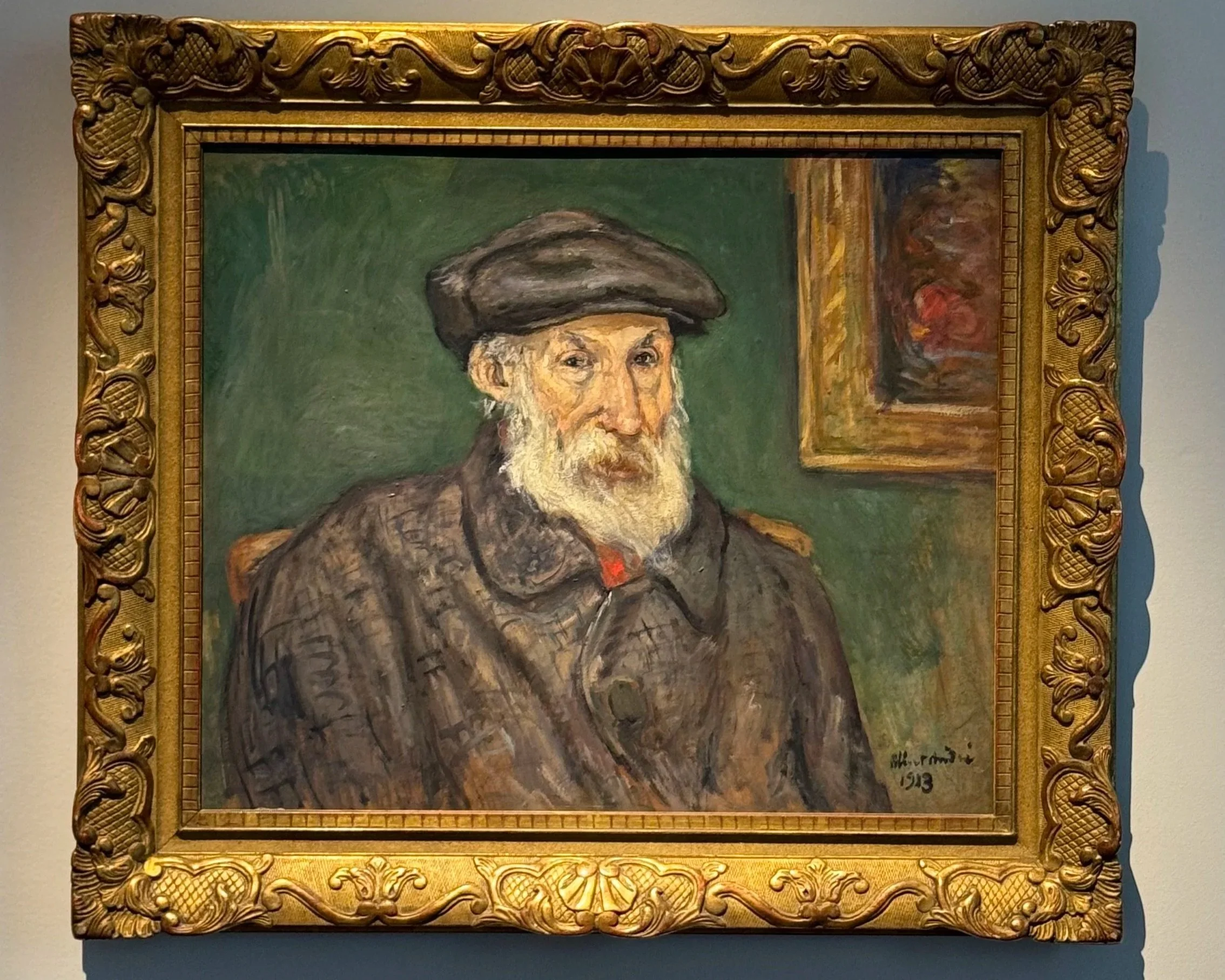
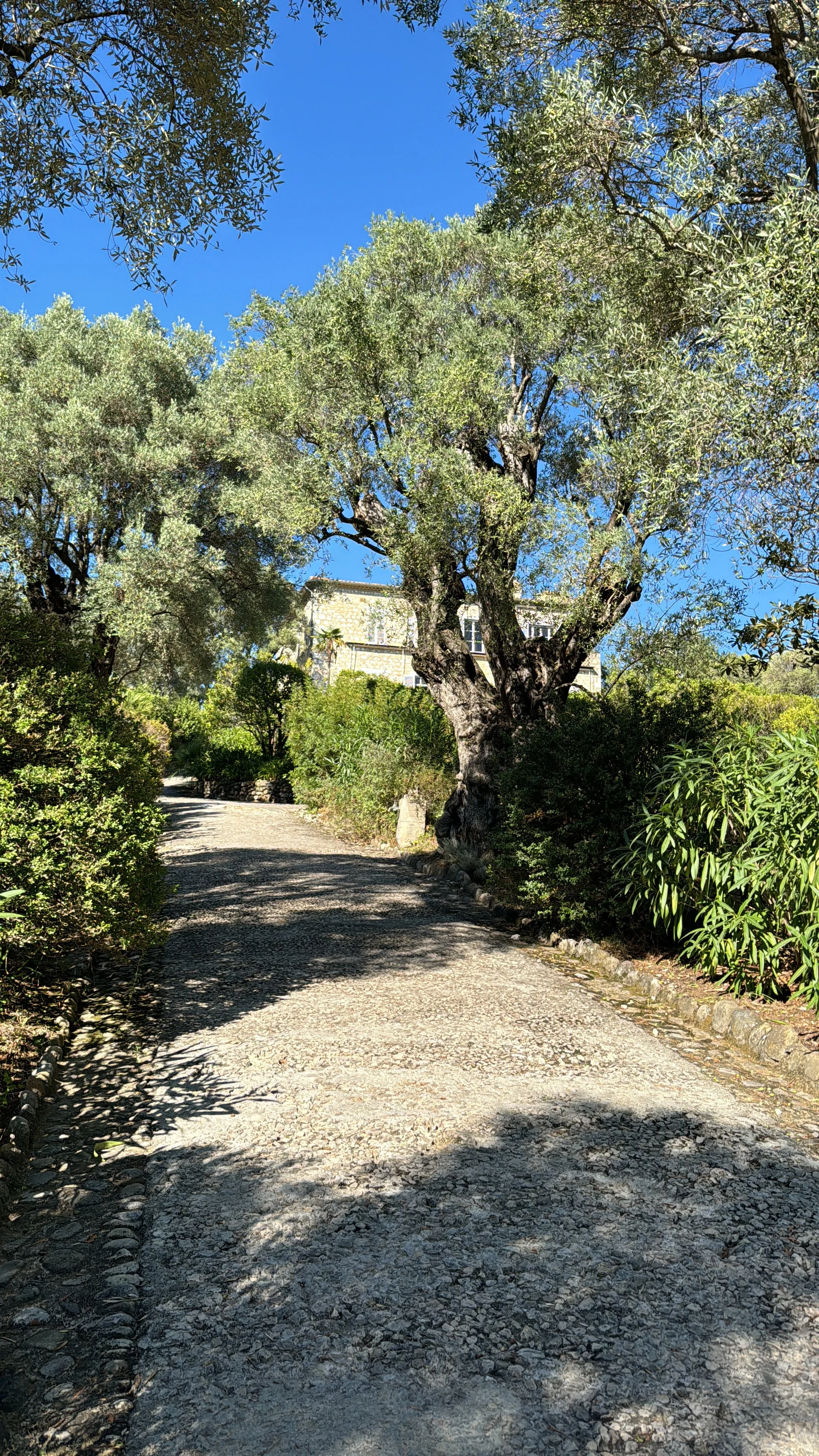
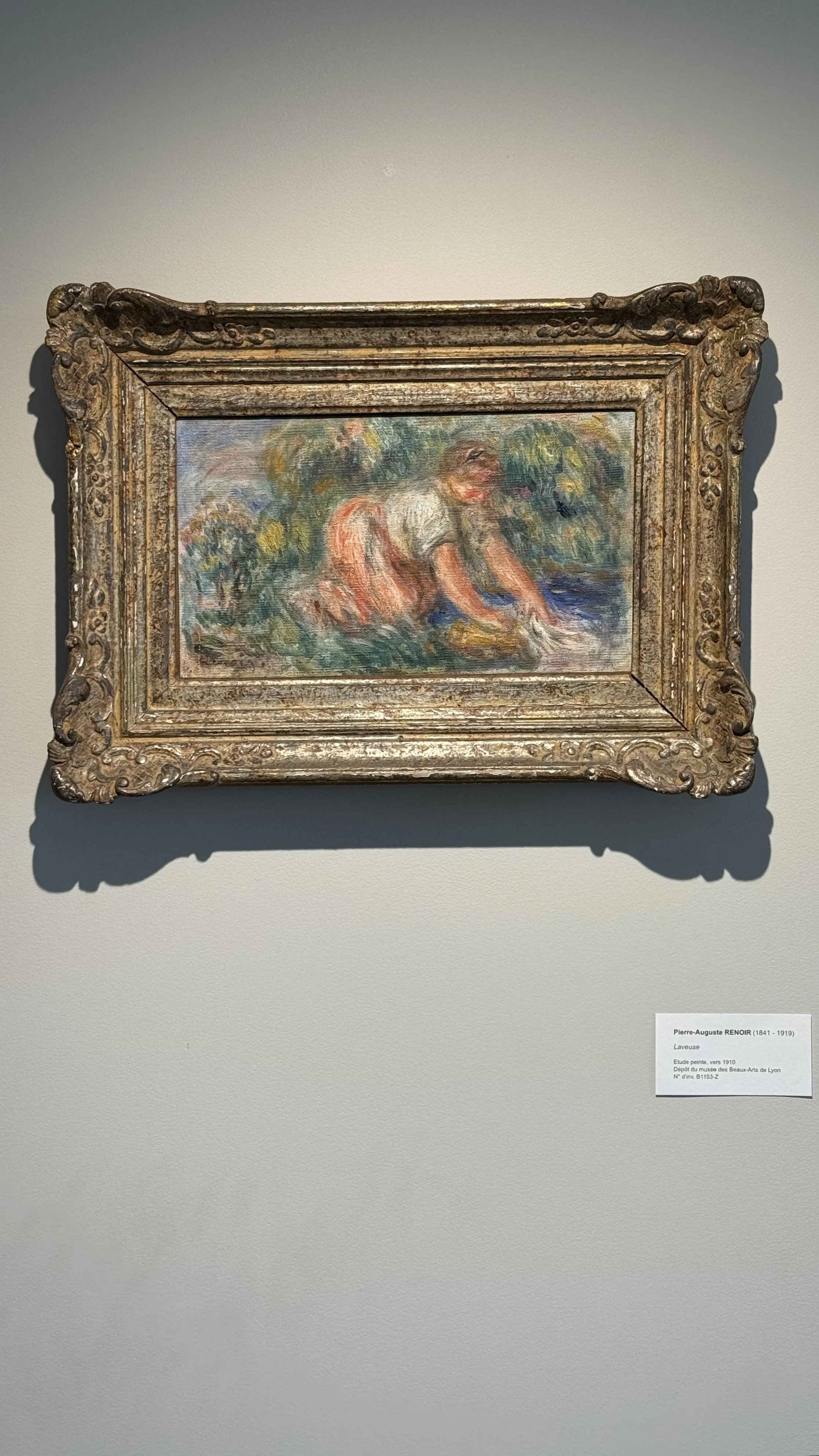
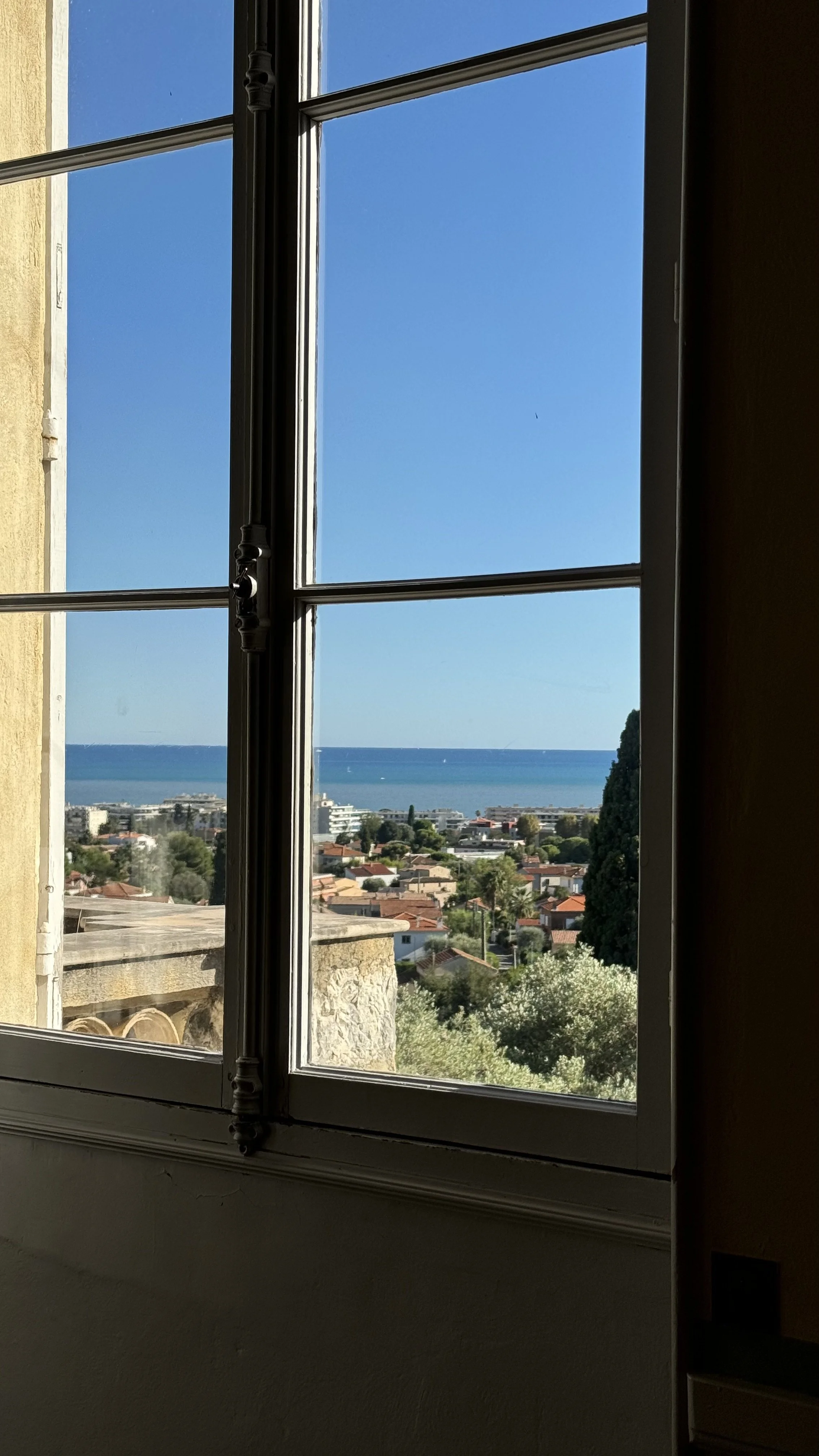
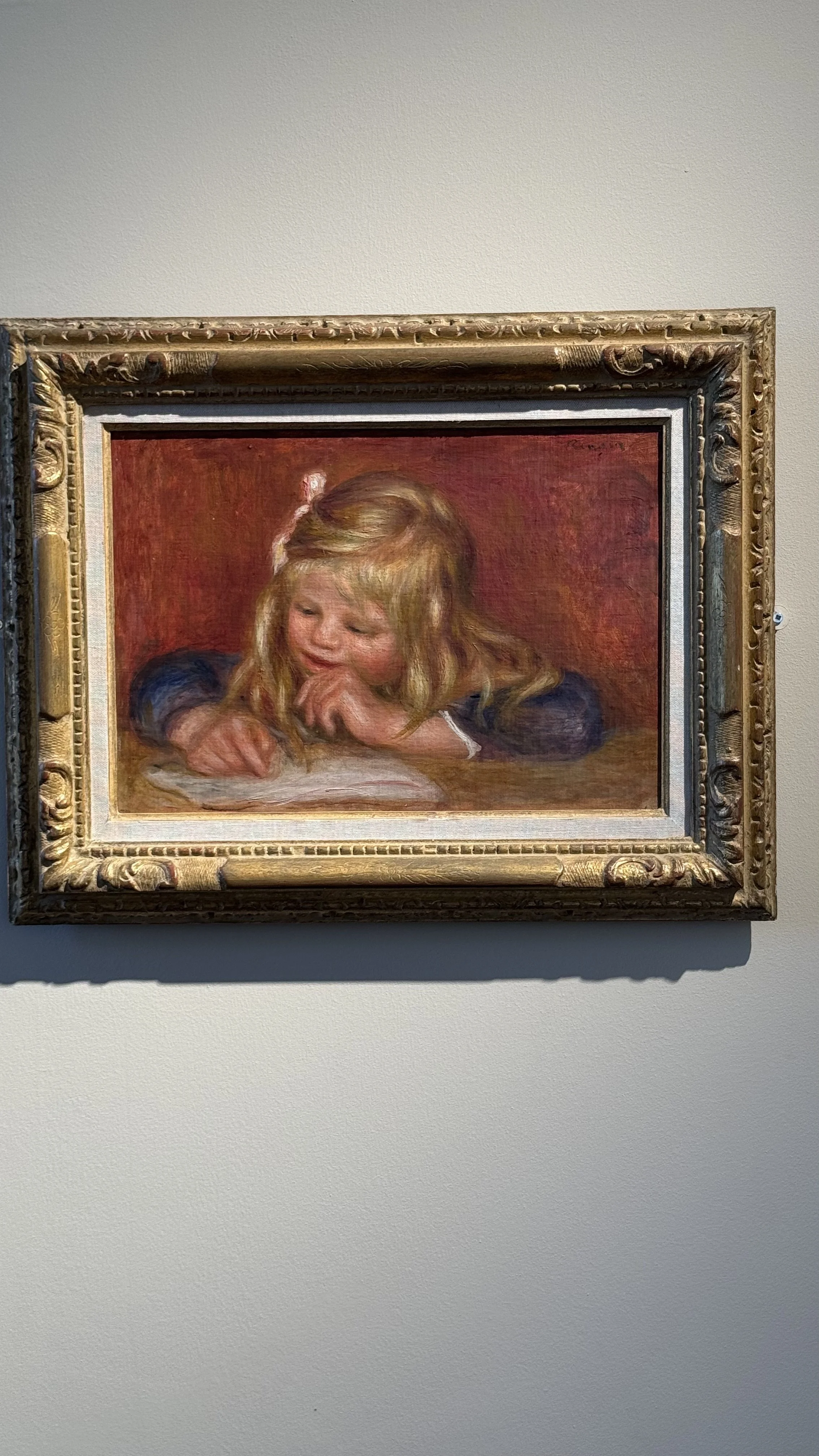
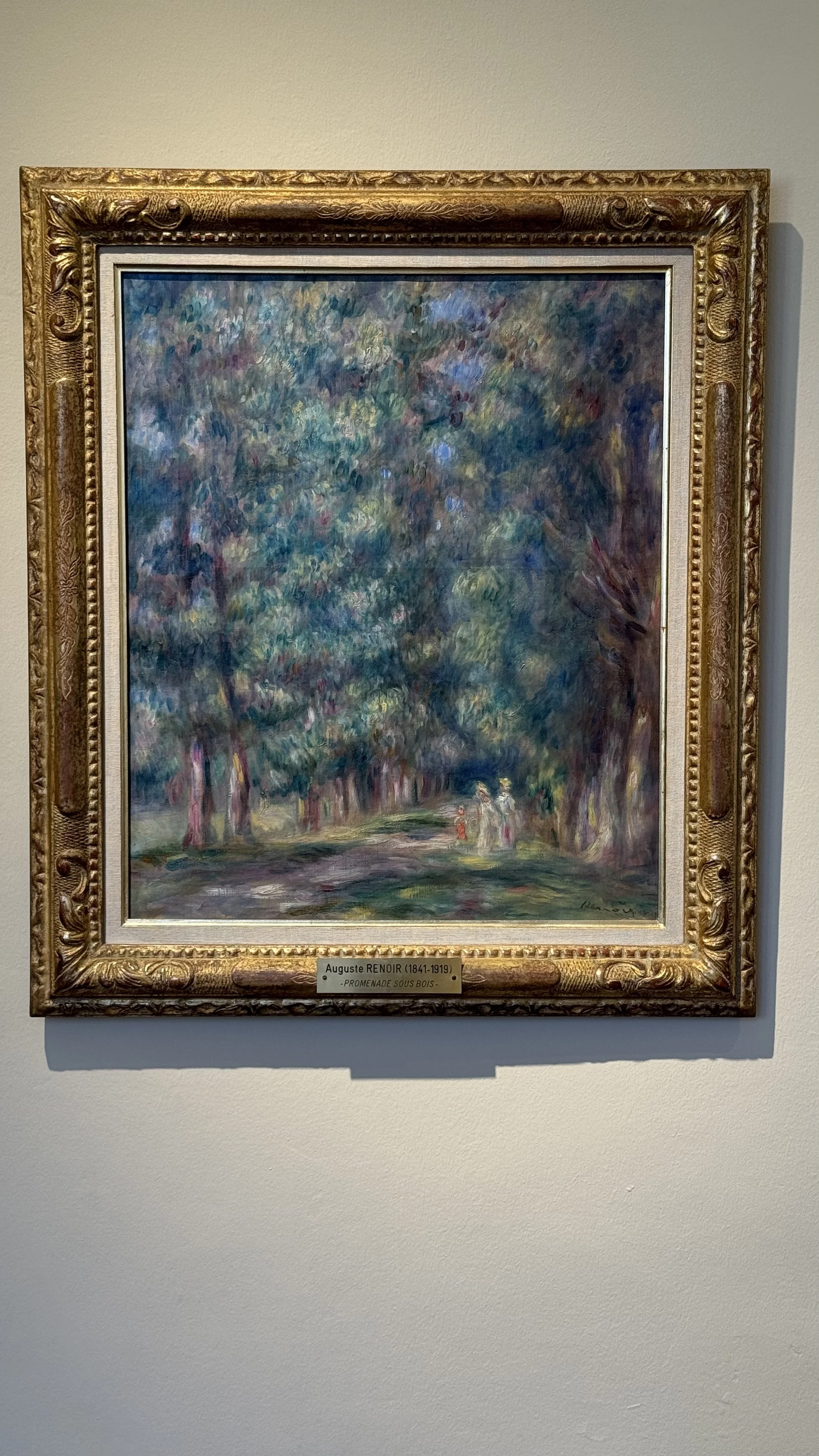
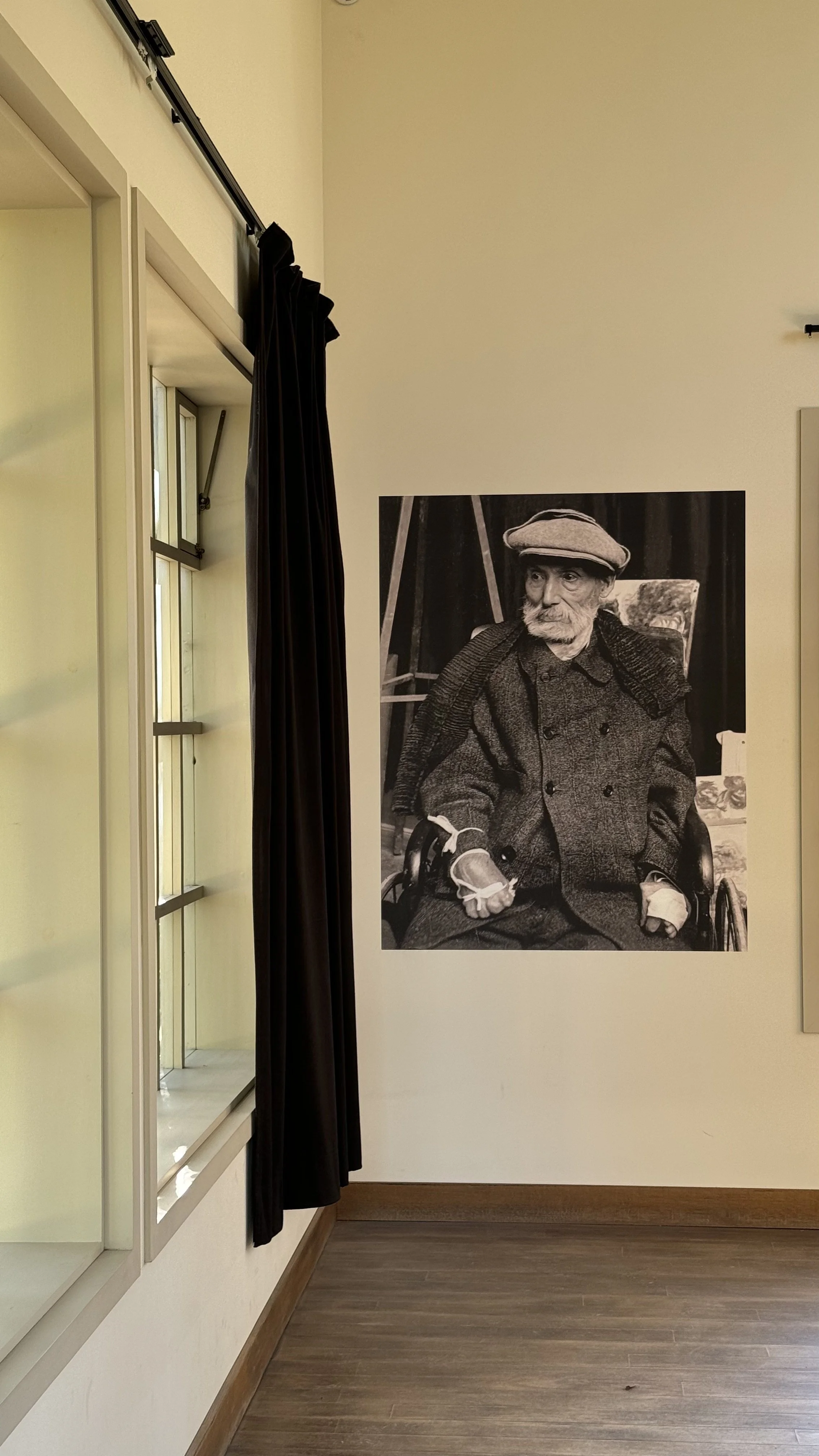
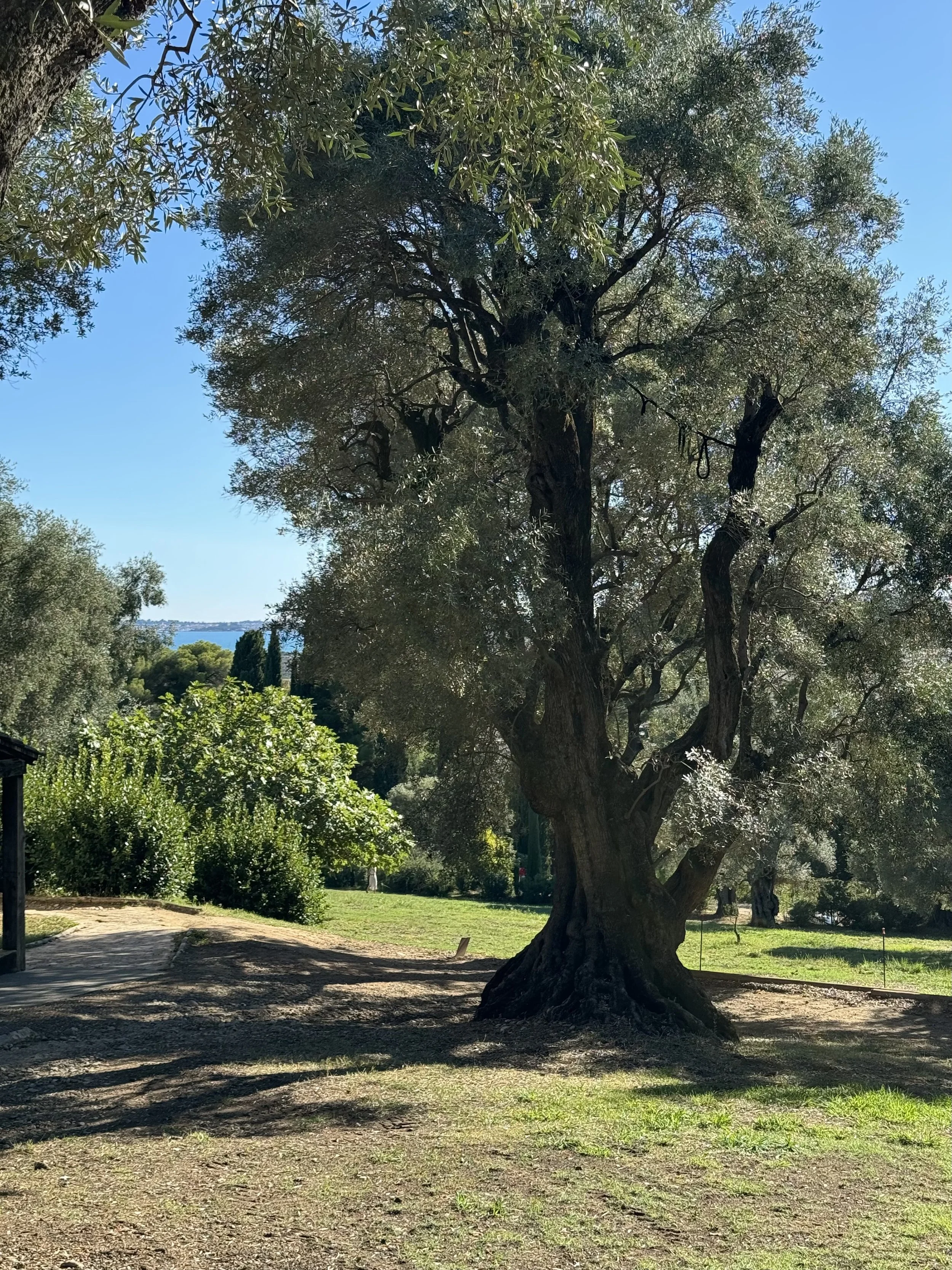
Auguste Renoir came to Cagnes-sur-Mer in 1907, already suffering from the severe rheumatoid arthritis that would eventually confine him to a wheelchair with brushes strapped to his hands. He bought a property on a hill above the sea — Les Collettes — and lived and worked here until his death in 1919. This period of his life is depicted in the 2012 feature film Renoir, if you'd like to arrive with some of the story already in you.
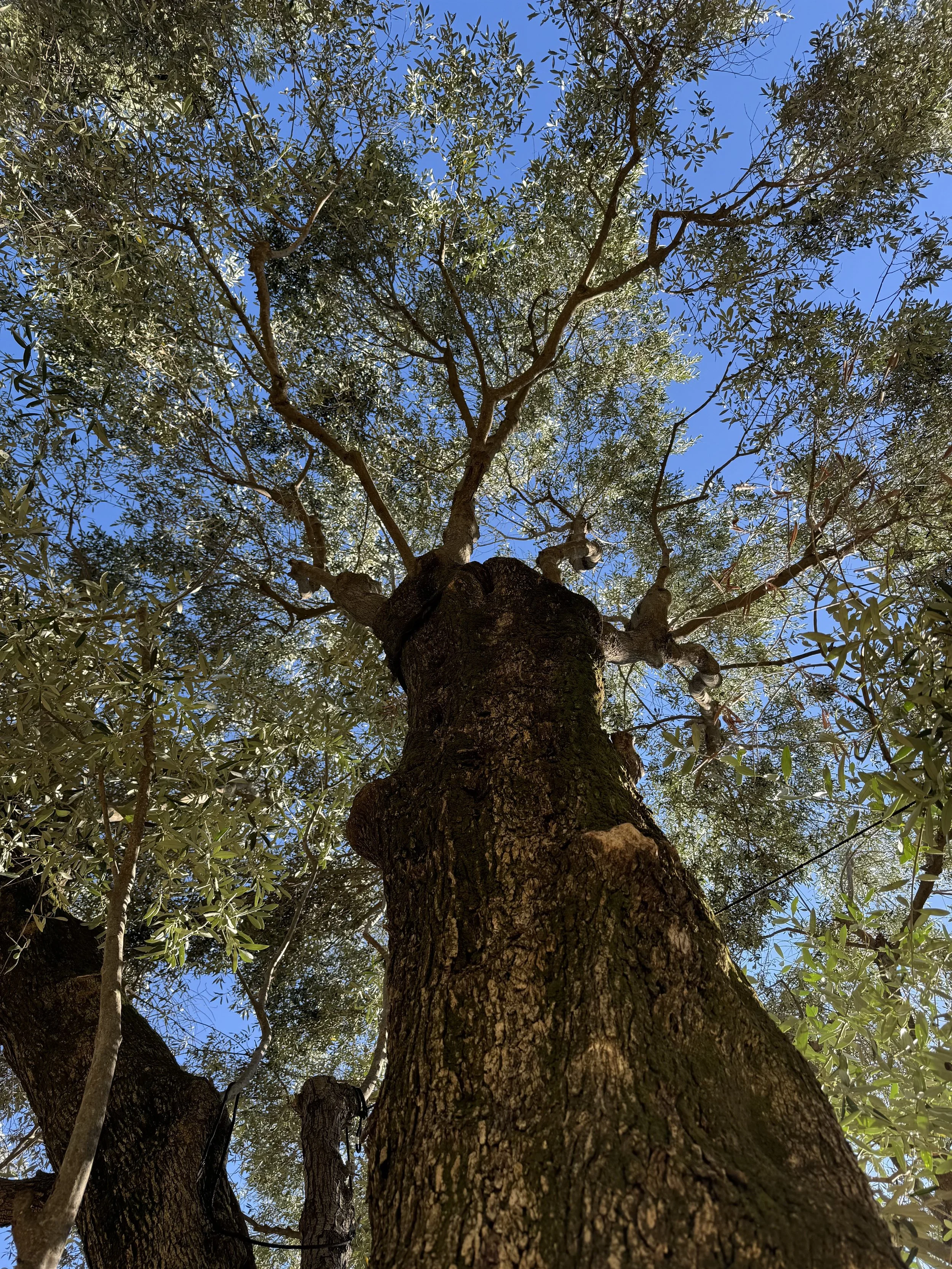
The house is still there. The olive trees he loved to paint are still there. When you see how the light filters through them and falls in soft, broken patches on the ground, you begin to understand the way he saw the world. The light in his paintings is distinctive — delicate and playful at the same time — and standing among those olive trees, you see exactly where it came from.
The studio where he worked, with his wheelchair and his adapted brushes and the paintings he was making right up until the end, is preserved exactly as he left it. Standing in that studio is one of the most quietly moving experiences on the entire Riviera. There is something about the persistence of it — the fact that he kept painting through everything, that the last works he made are among the most luminous of his life.
Address: 19 Chemin des Collettes, Cagnes-sur-Mer
Closed Tuesdays and for lunch from 13:00 to 14:00
If you go by train, you can walk from Gare Cagnes-sur-Mer to the museum through the village — it takes about 20 minutes
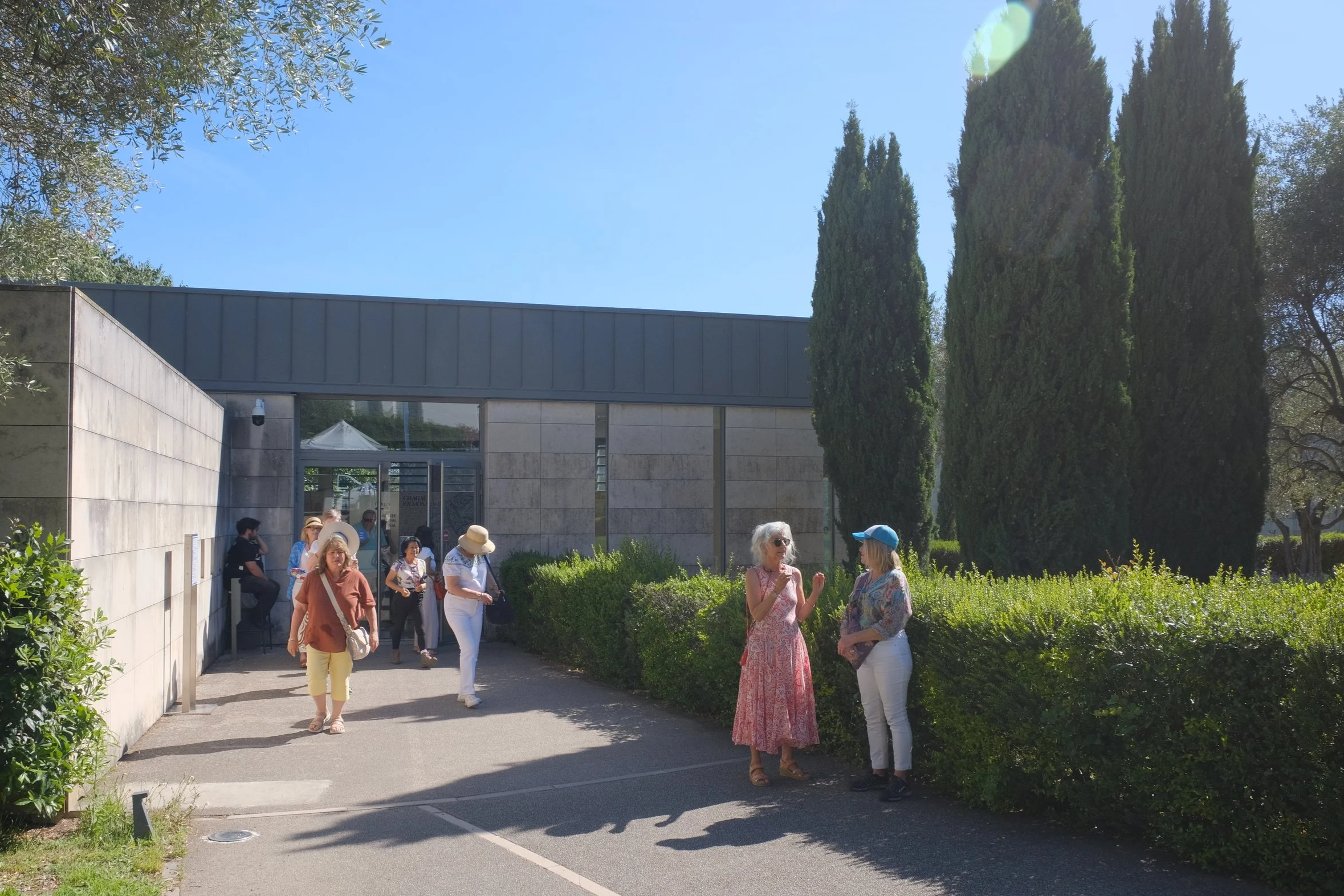
Musée National Marc Chagall — Nice
For: dreamlike colors and a museum whose creation the artist himself participated in
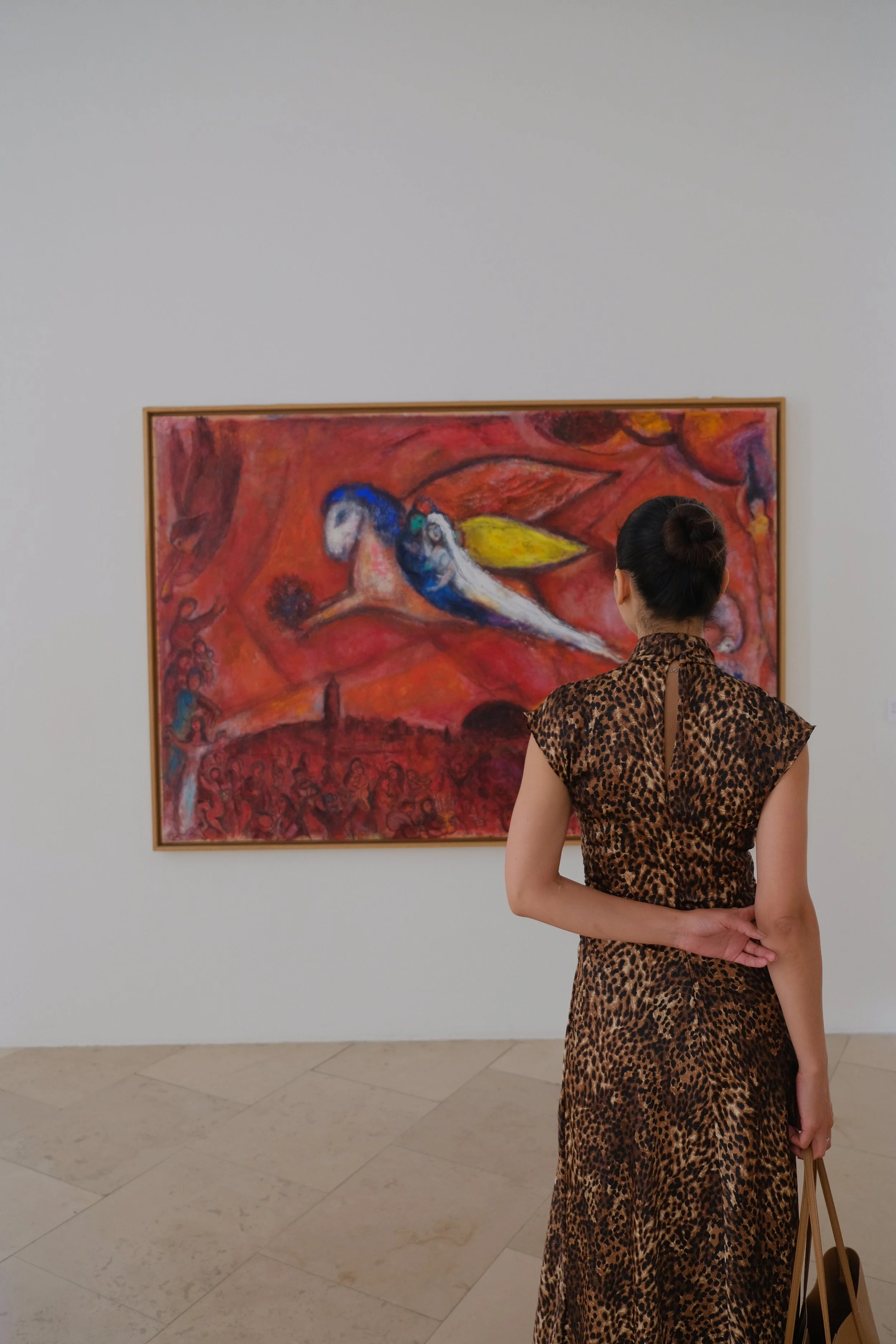
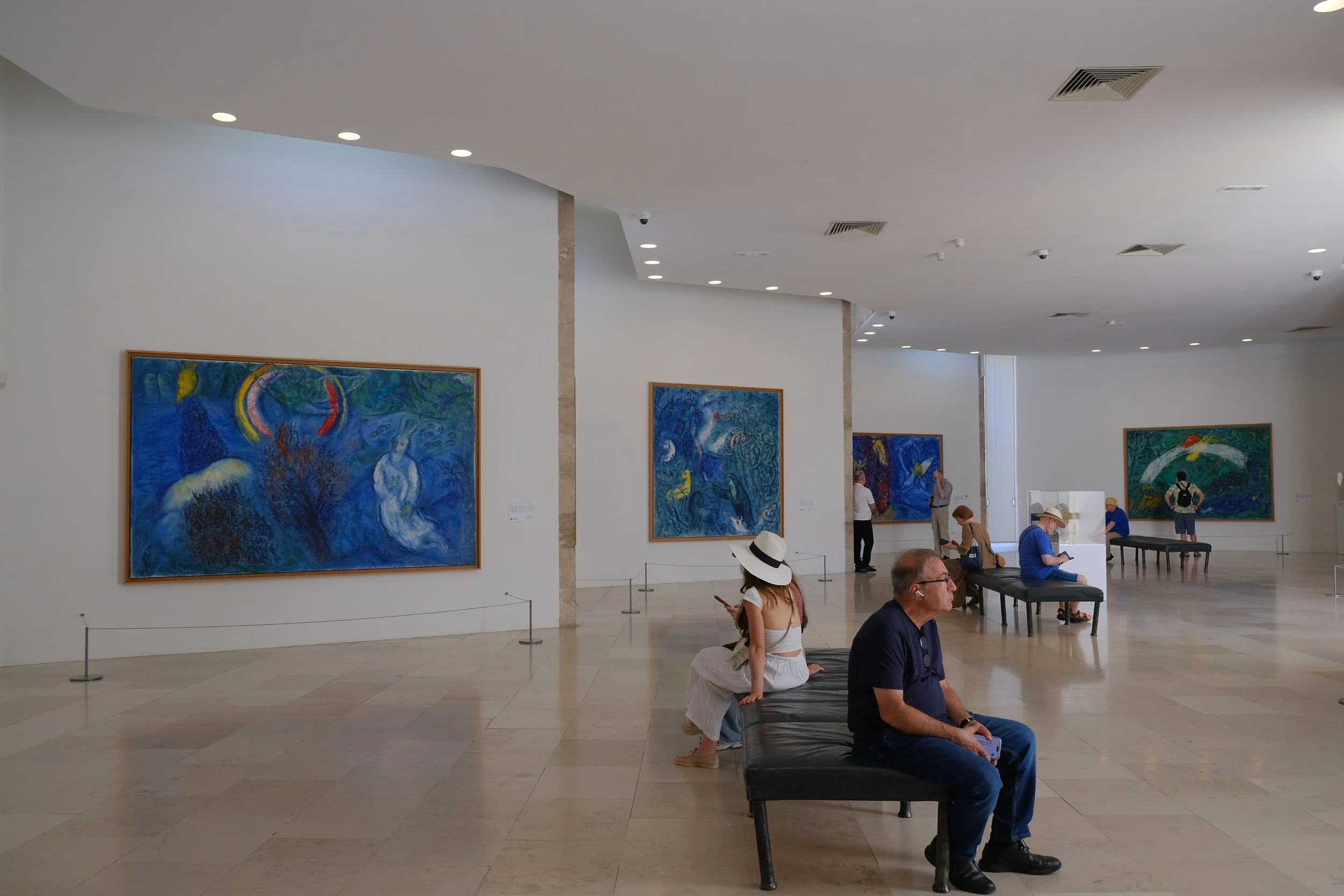
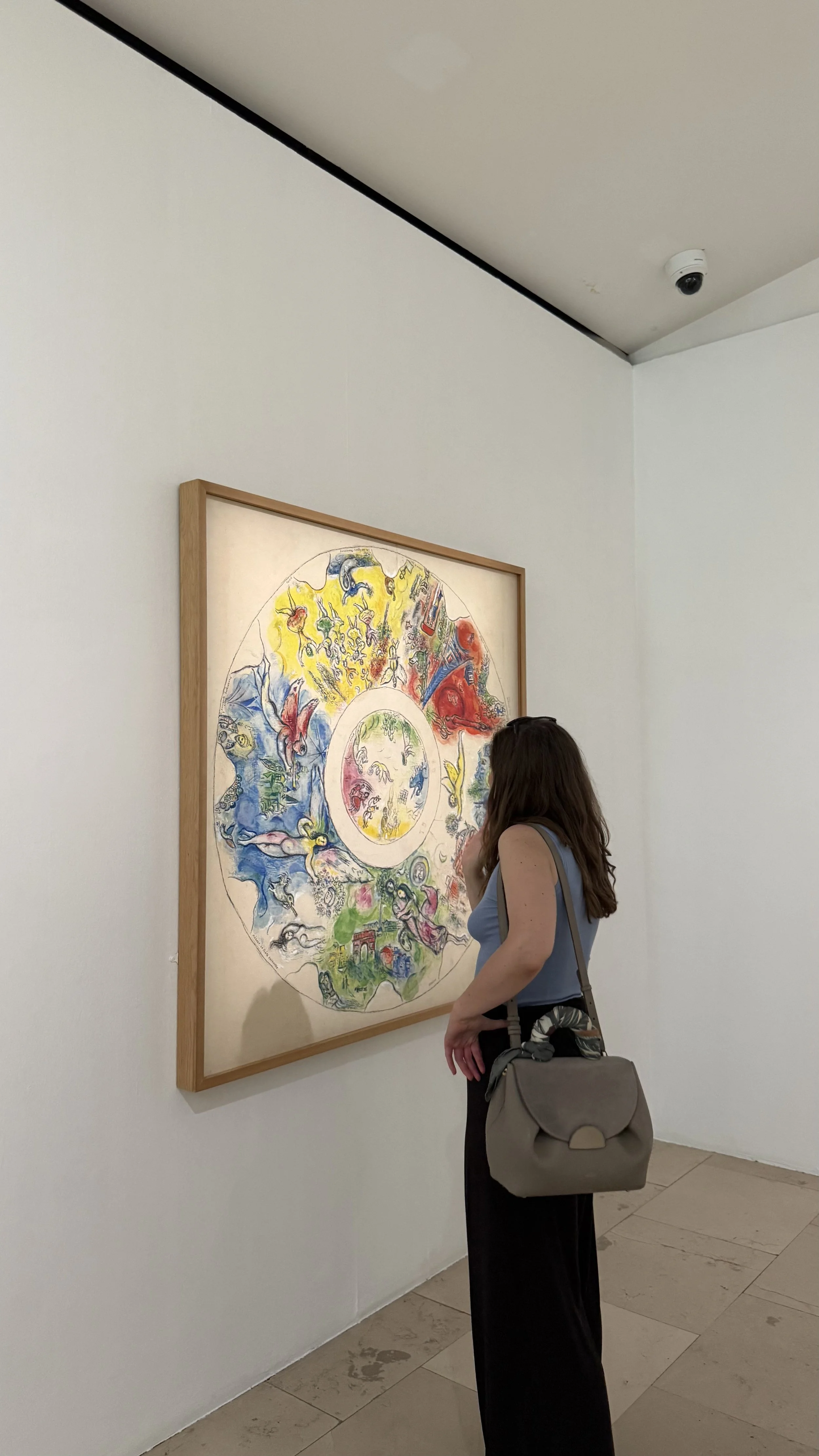
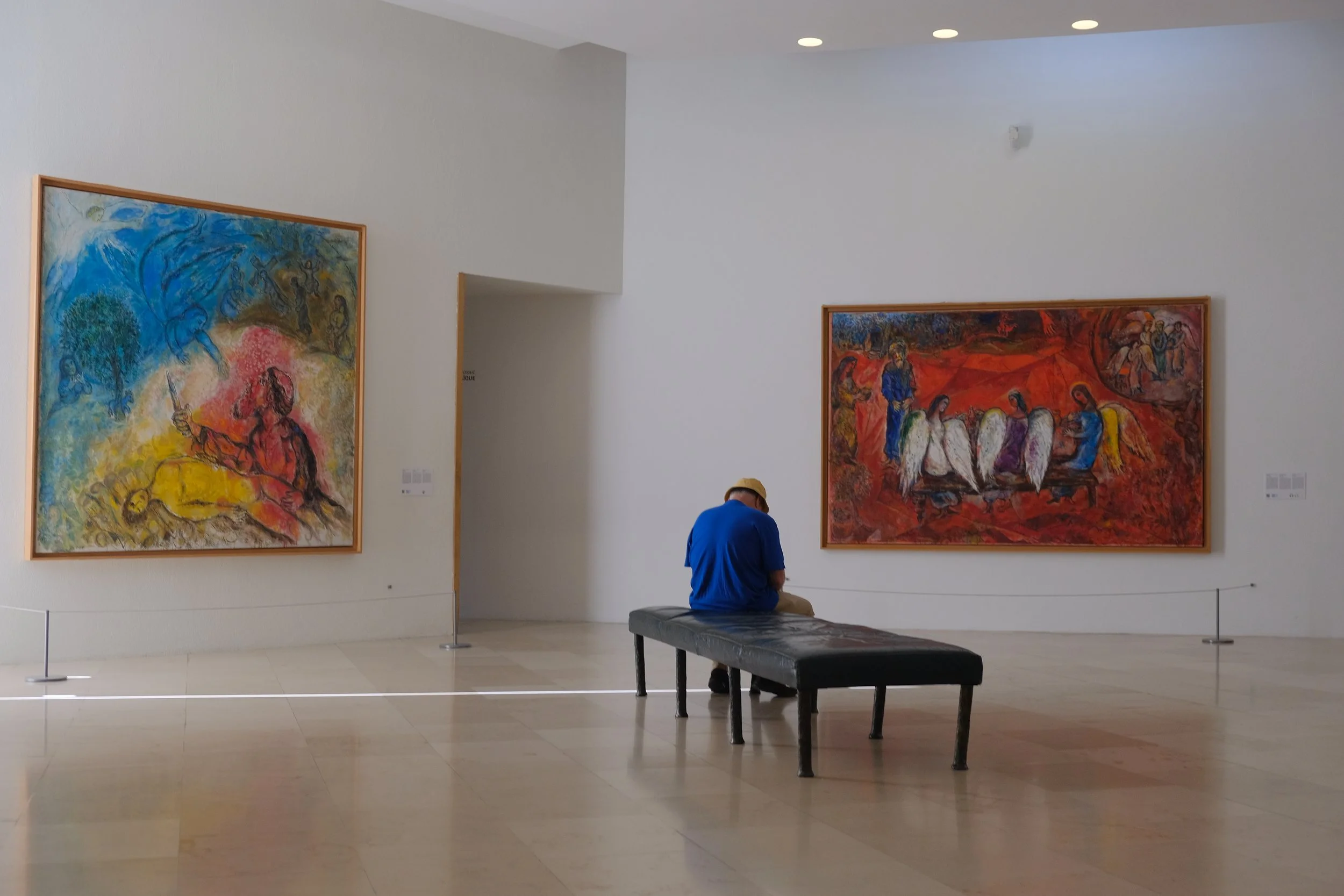
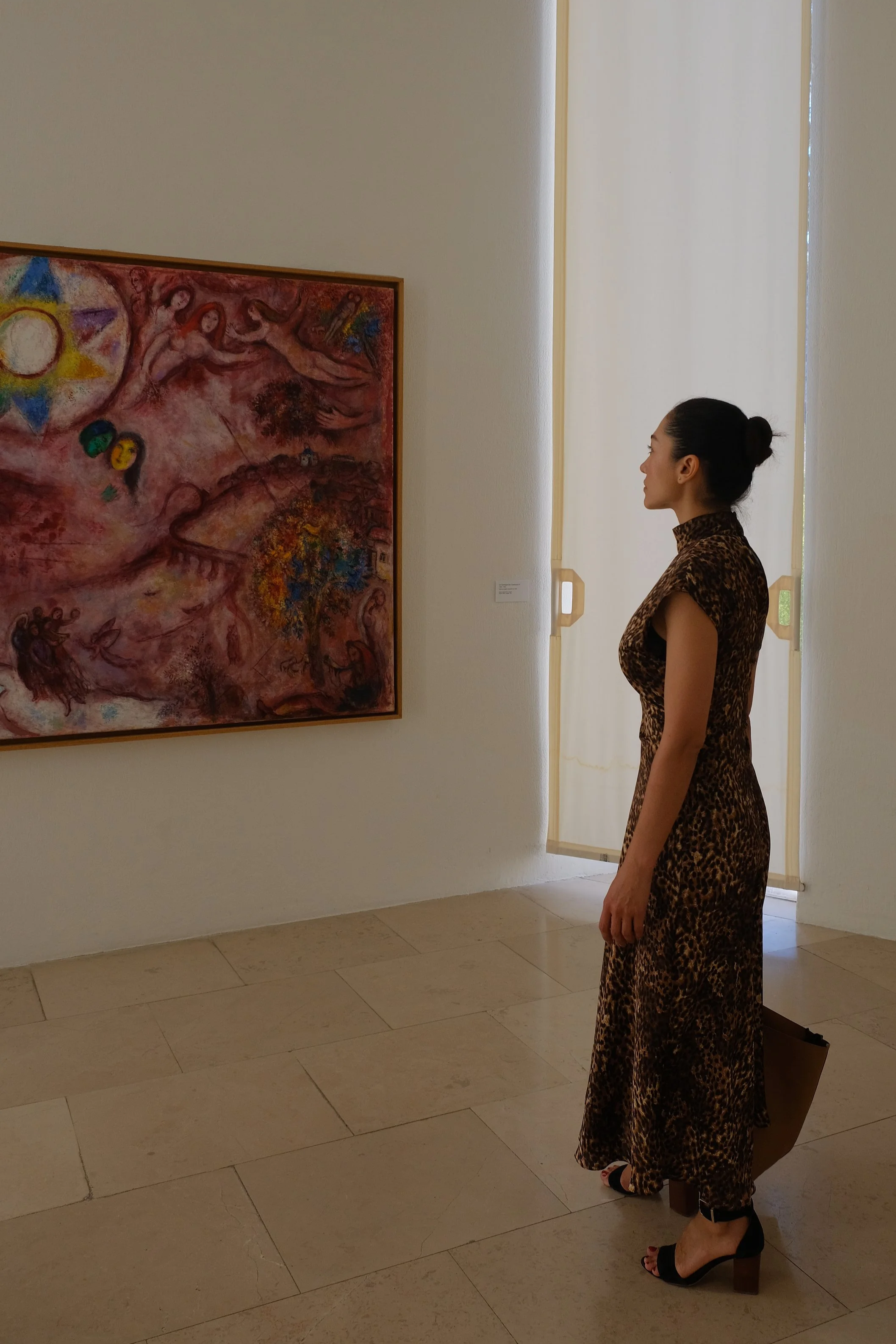
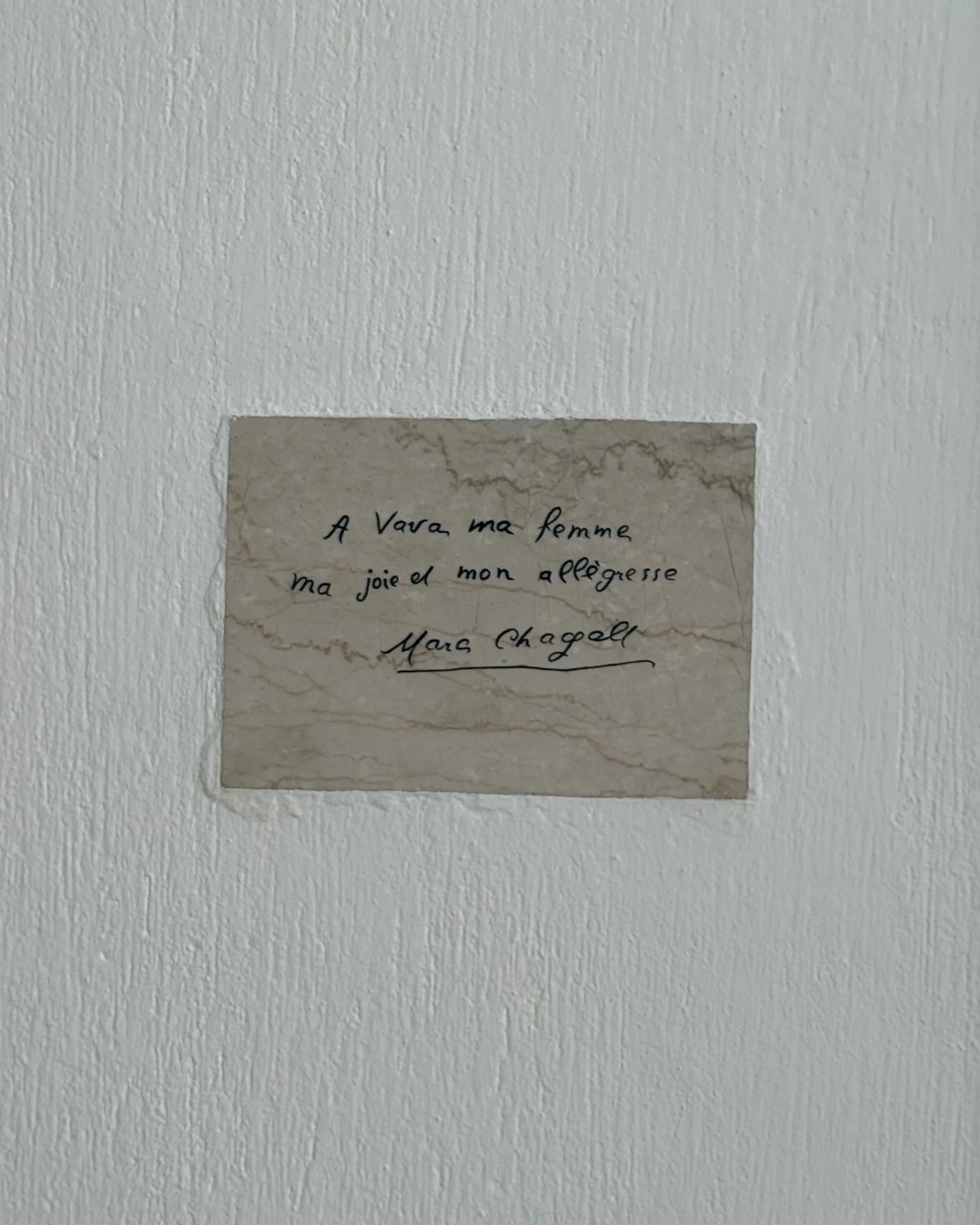
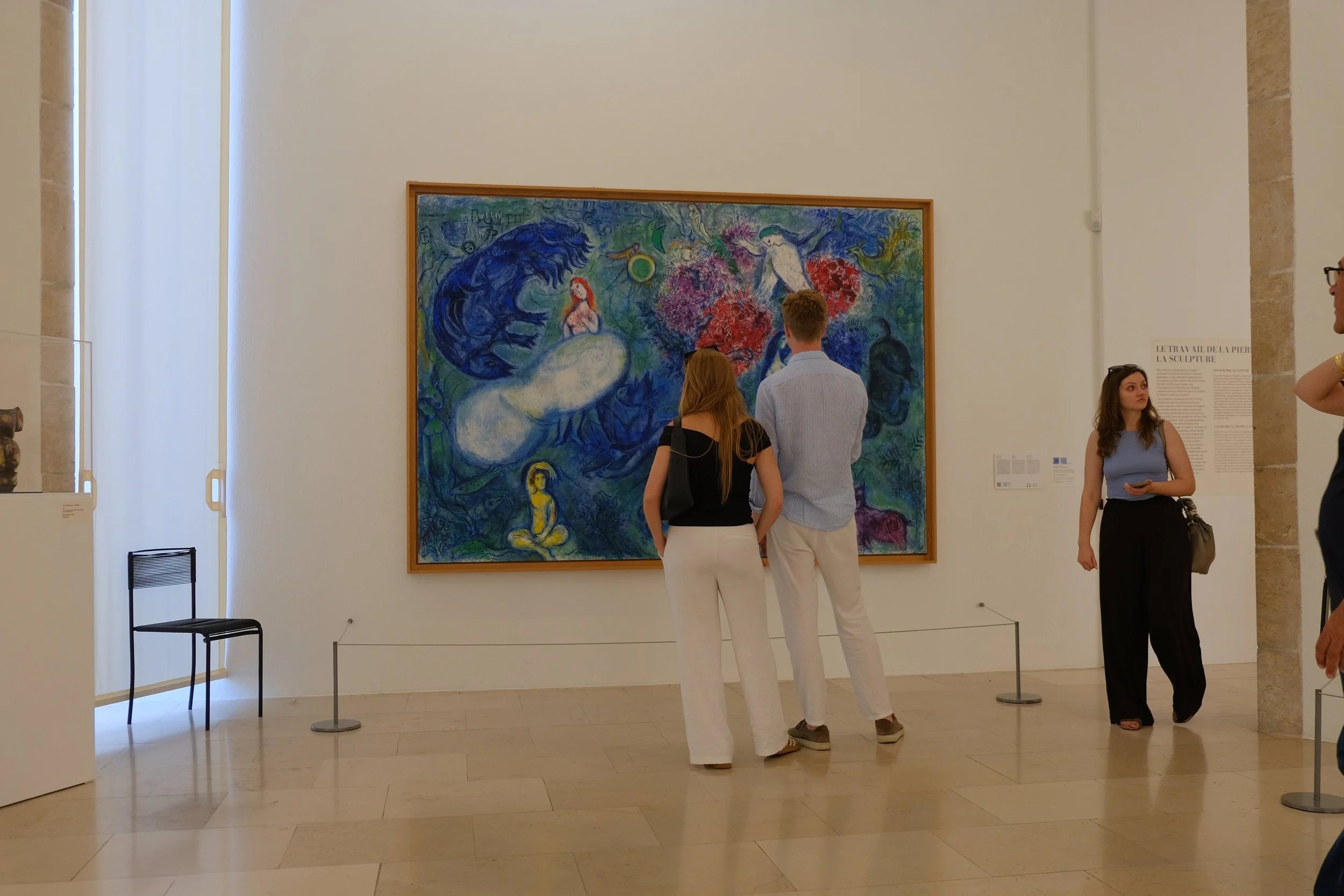
The Musée Marc Chagall contains nearly 1,000 of his pieces. It was inaugurated in 1973 with Chagall's own involvement, and the building was designed specifically for this collection: low, quiet, surrounded by a garden, with natural light entering the galleries in a way that makes the paintings glow from within.
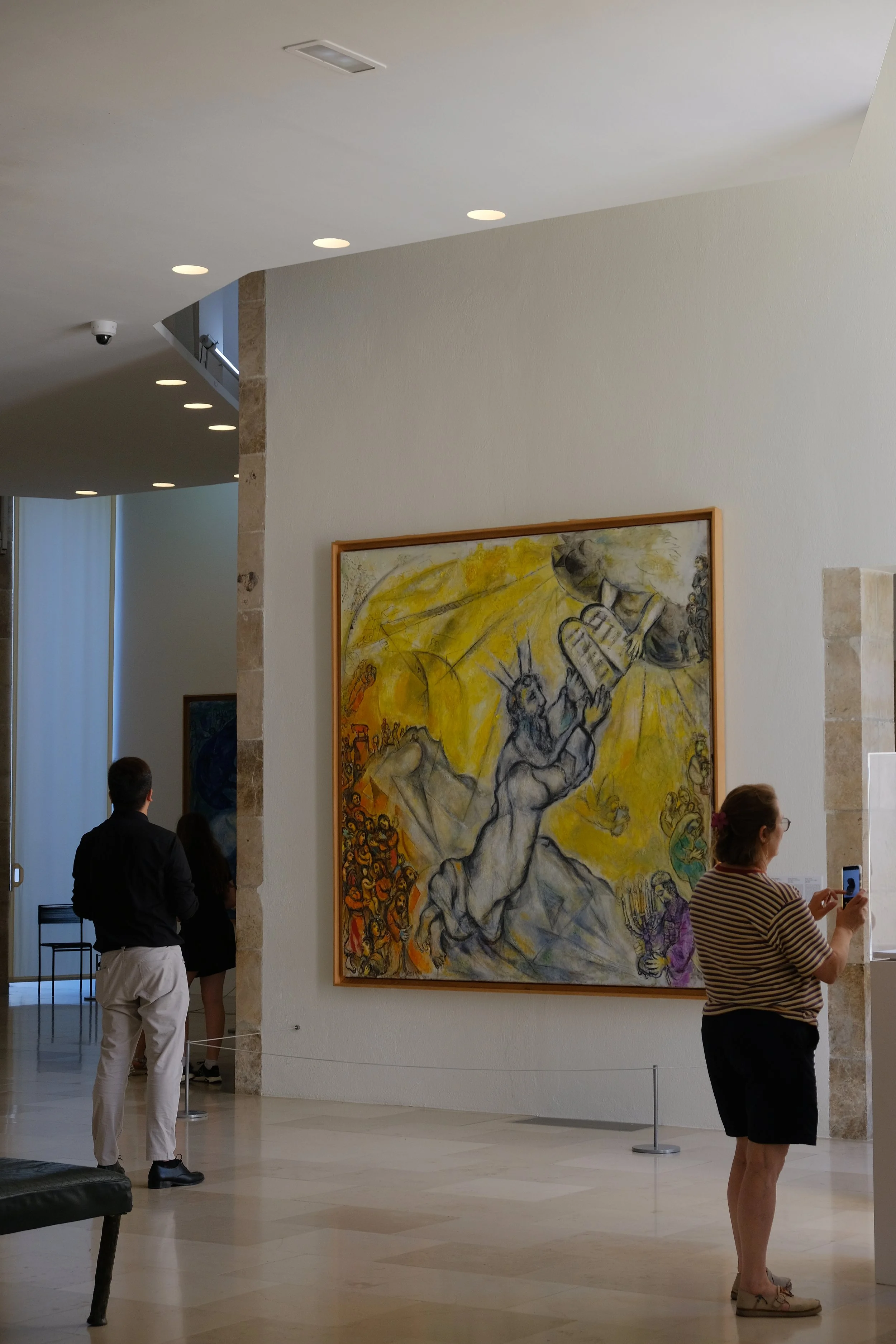
The heart of the museum is the Biblical Message series — seventeen monumental paintings in deep blues, reds, and golds depicting scenes from Genesis and Exodus. There is also a mosaic, a stained-glass window, and a concert hall with Chagall-designed windows throughout. If you are someone who loves experiencing art in harmony with the space that holds it — this is a museum you will remember forever.
Address: Avenue Dr Ménard, Nice
Closed Tuesdays and for lunch from 13:00 to 14:30, about a 15-minute walk from Nice-Ville train station
Musée Matisse in Nice
For: diving into an artist's colors and life, and discovering the unexpected connections between the great masters
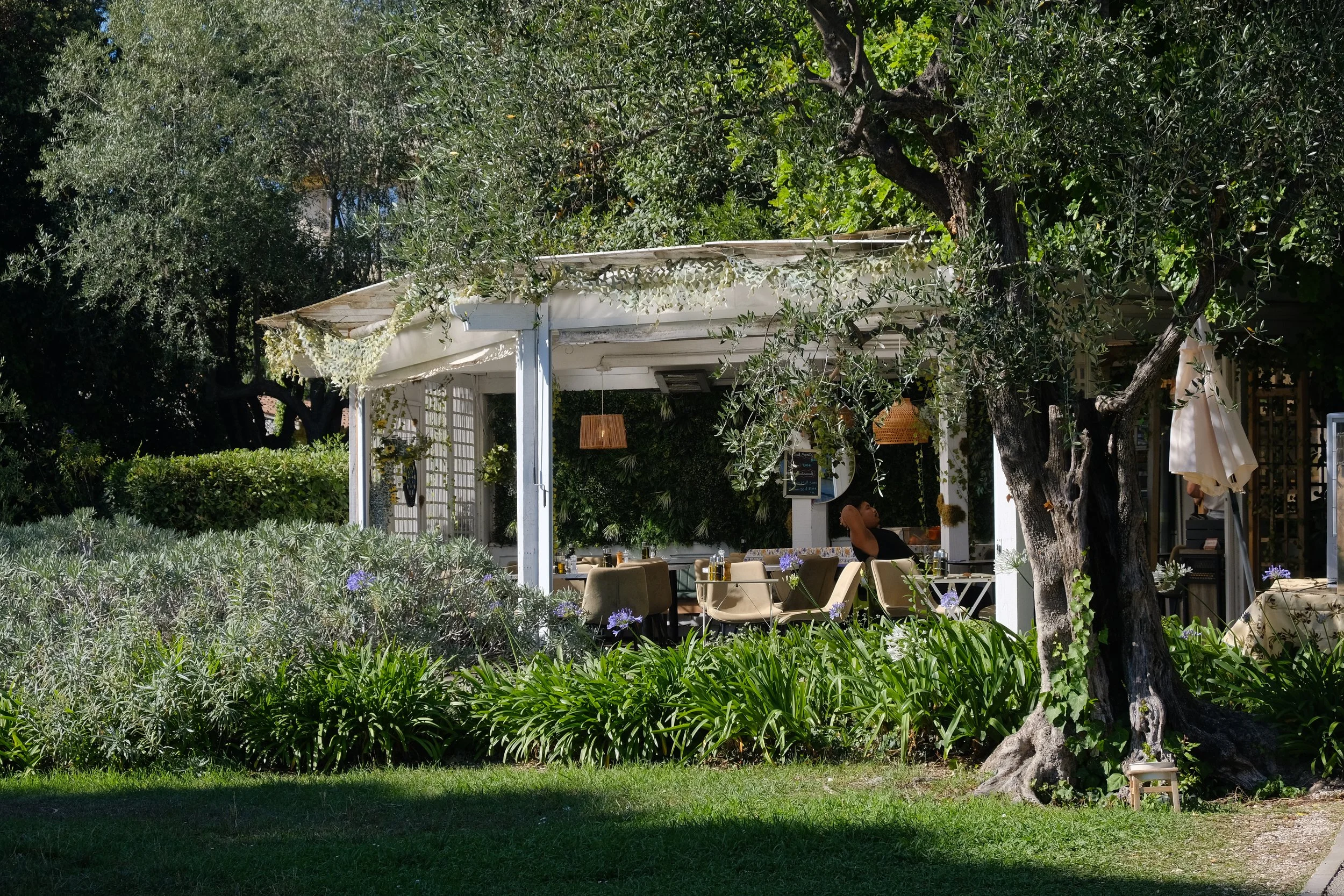
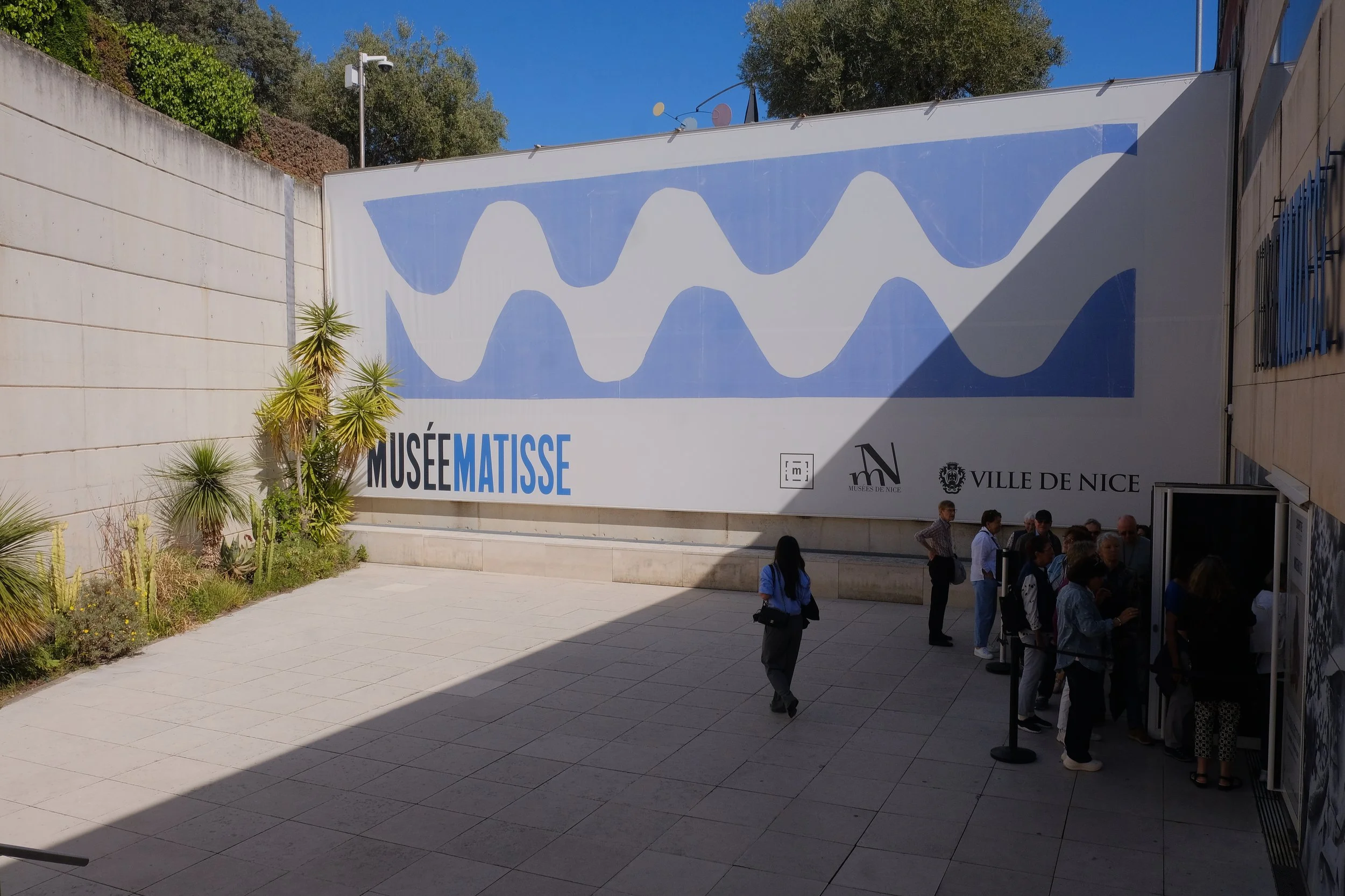
If you walk a bit further from the Musée Marc Chagall, you'll reach the Musée Matisse — both are located in Cimiez, a quiet, slightly elevated neighborhood in Nice, surrounded by Roman ruins and a sense of the city slowing down.
Henri Matisse first came to Nice in 1917, didn't plan to stay long, but ended up spending most of the rest of his life here, working in the southern light until his death in 1954.
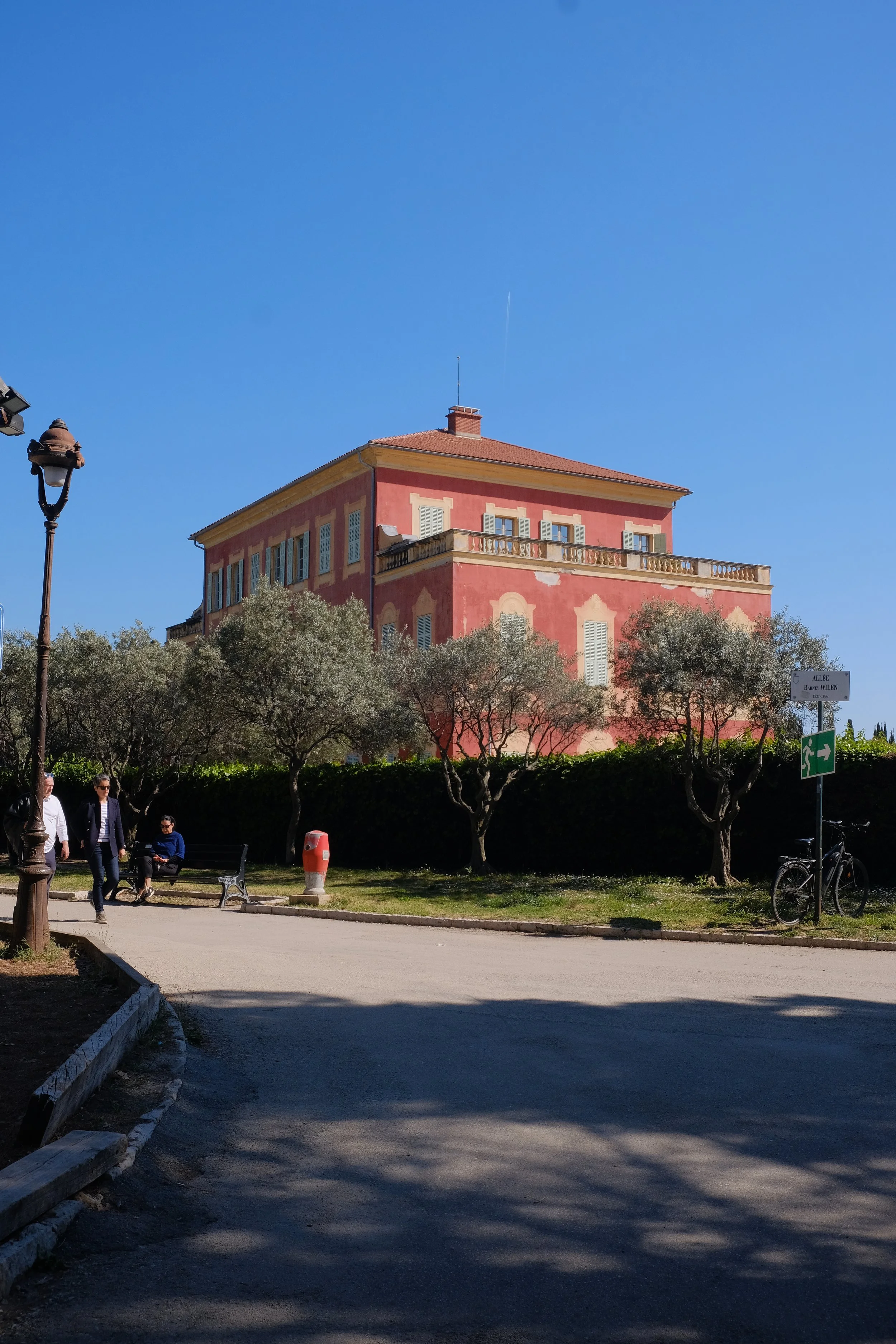
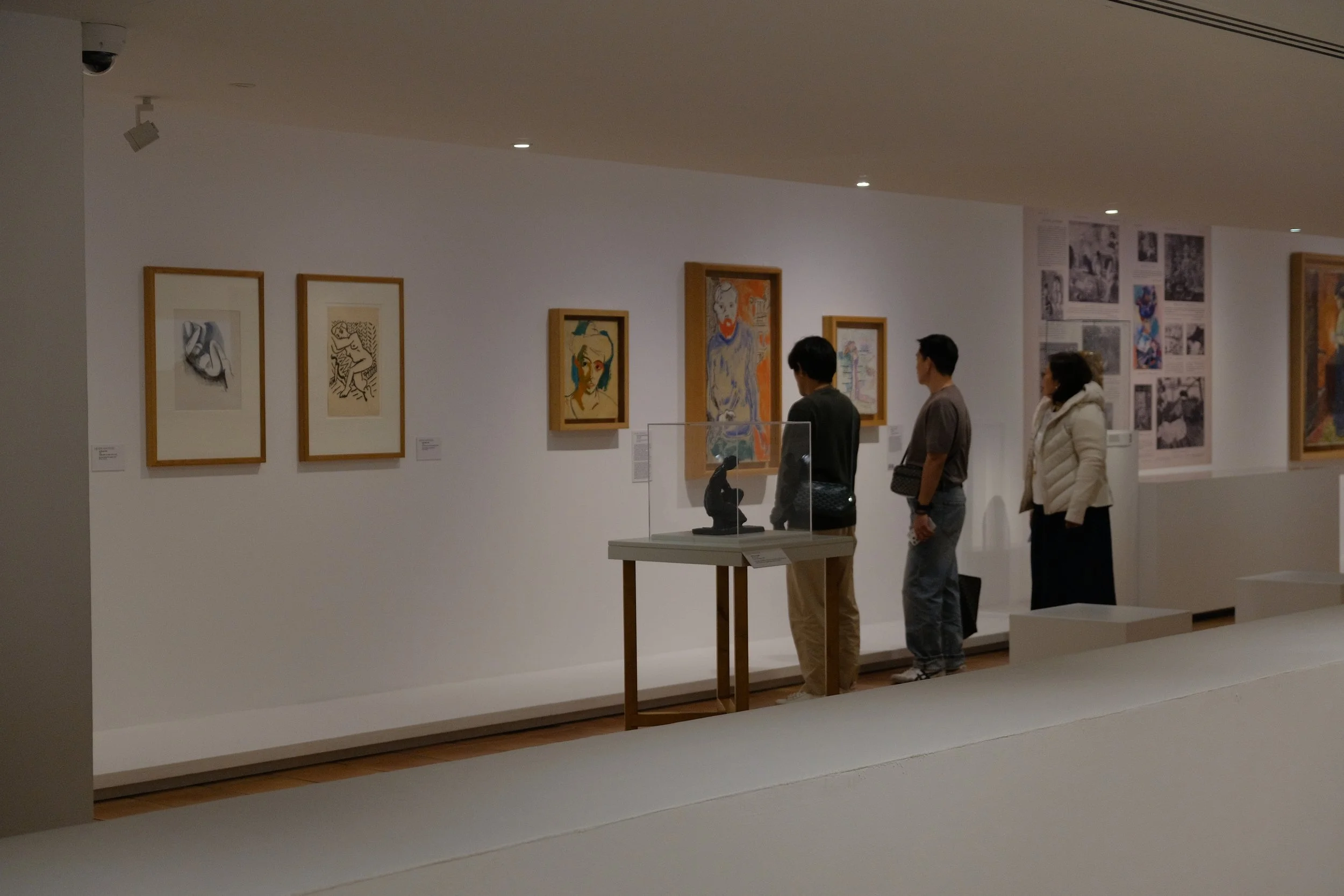
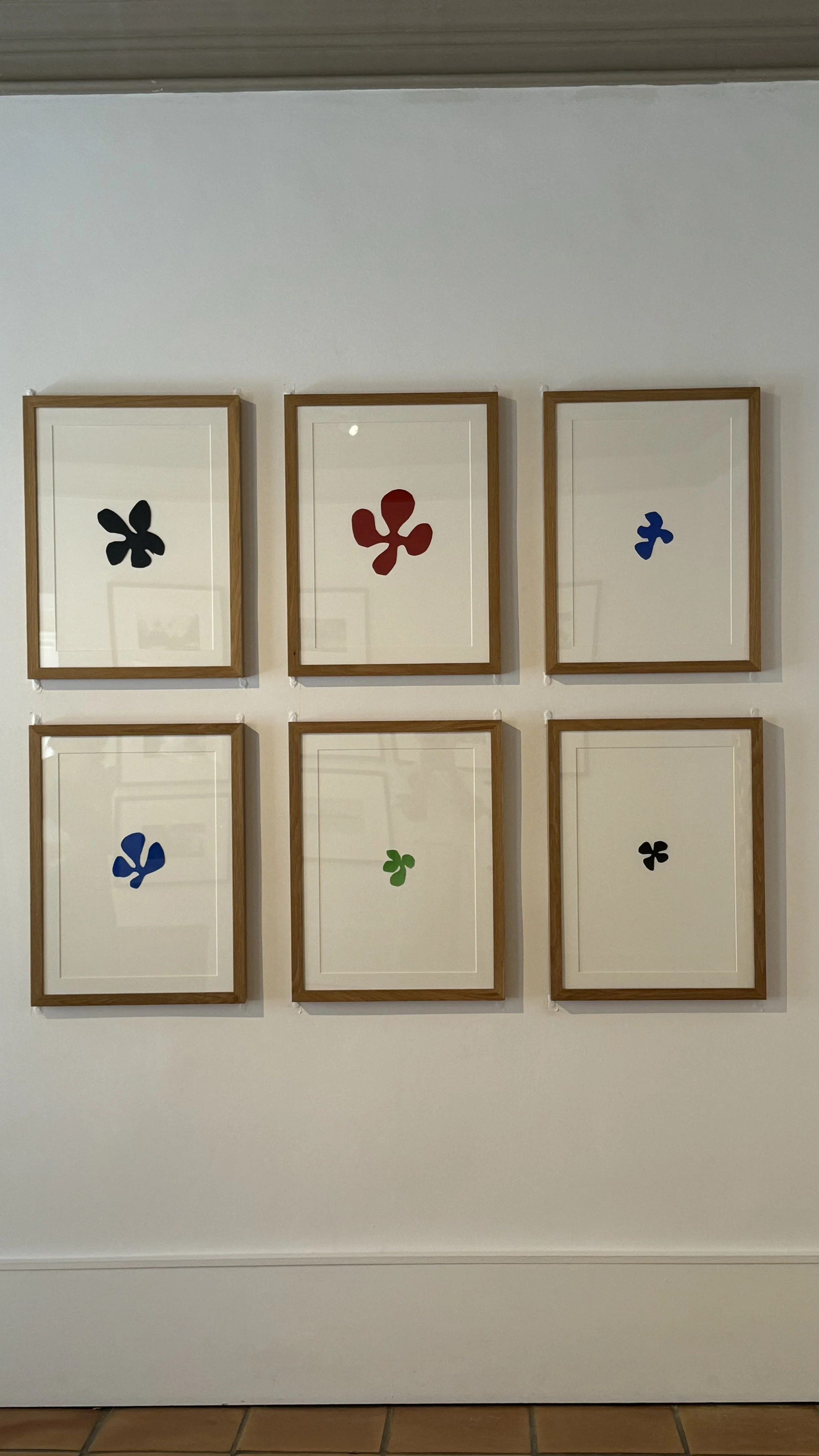
The museum sits in a beautiful red ochre villa surrounded by Roman ruins and an ancient olive garden. The collection here is intimate rather than overwhelming. The paintings, yes, but also the cut-outs of his final years, made when his health no longer allowed him to paint standing up, so he turned to scissors and colored paper and created some of his most remarkable work. His personal objects, his books, his sketches, the studies that show how extraordinarily he was able to see the world.
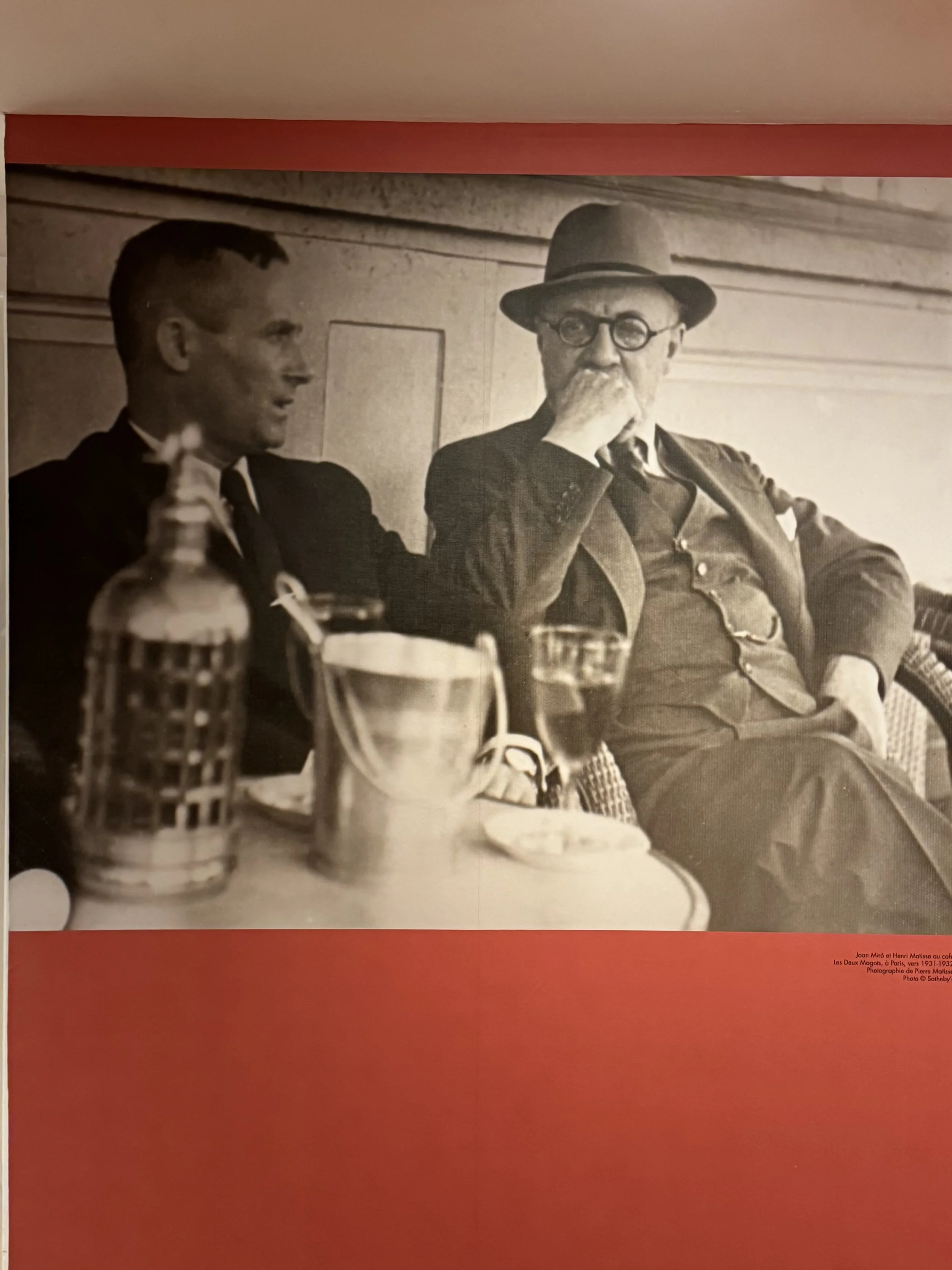
The museum also hosts temporary exhibitions that go beyond Matisse himself — including fascinating dialogues between artists, like one of the previous exhibitions exploring the relationship between Matisse and Miró, which revealed unexpected connections between two creative worlds. Worth checking what's on before your visit.
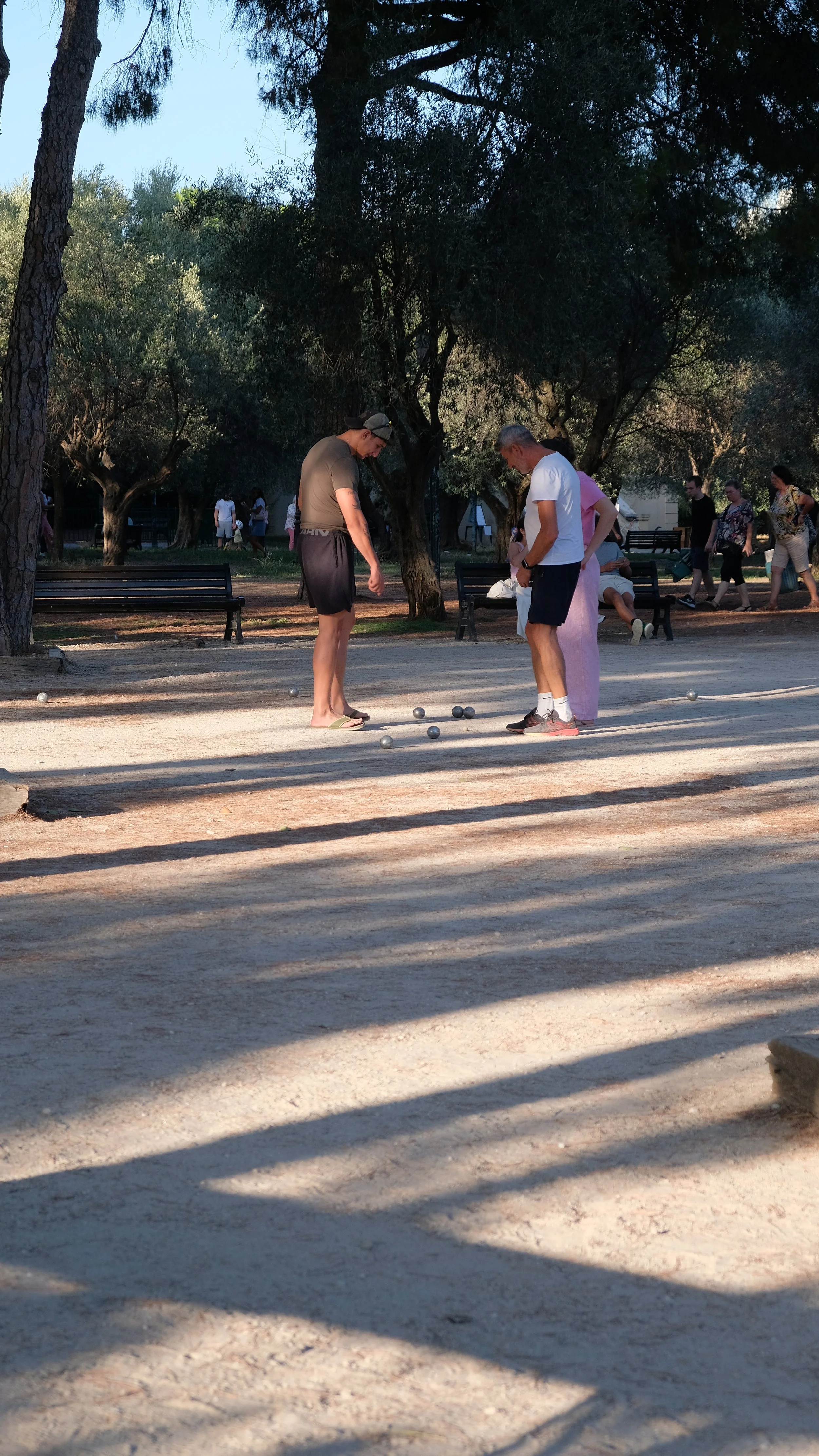
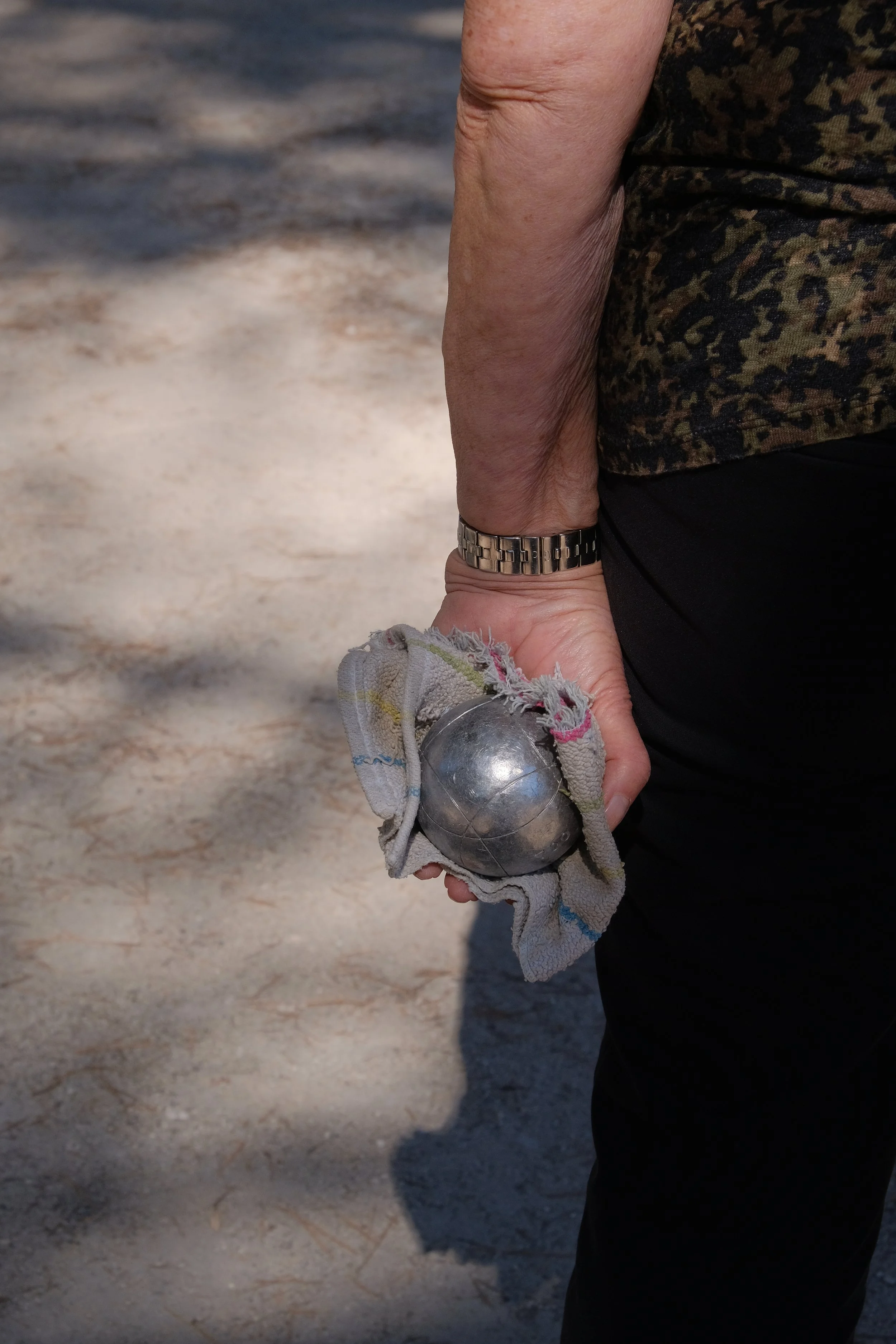
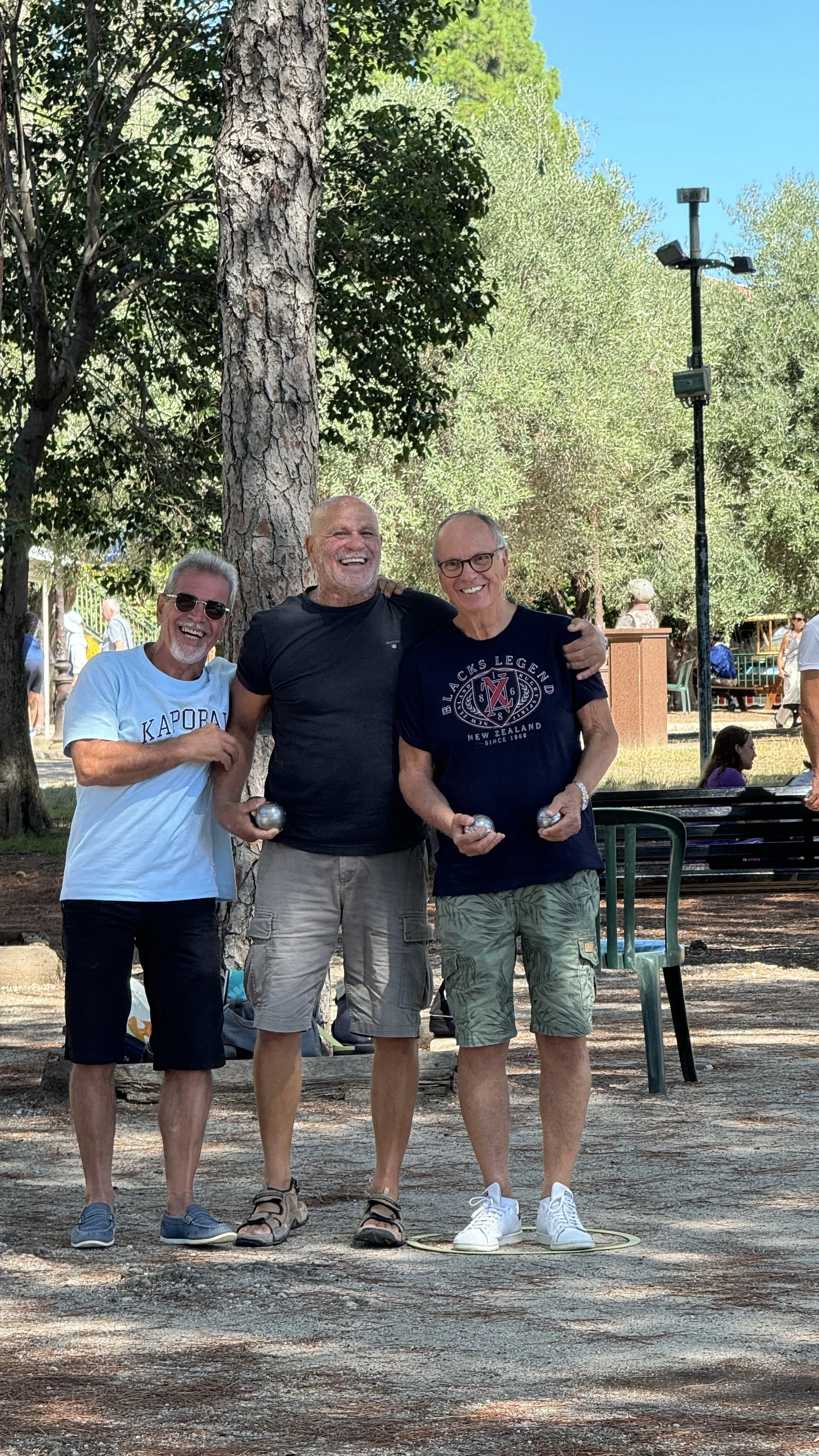
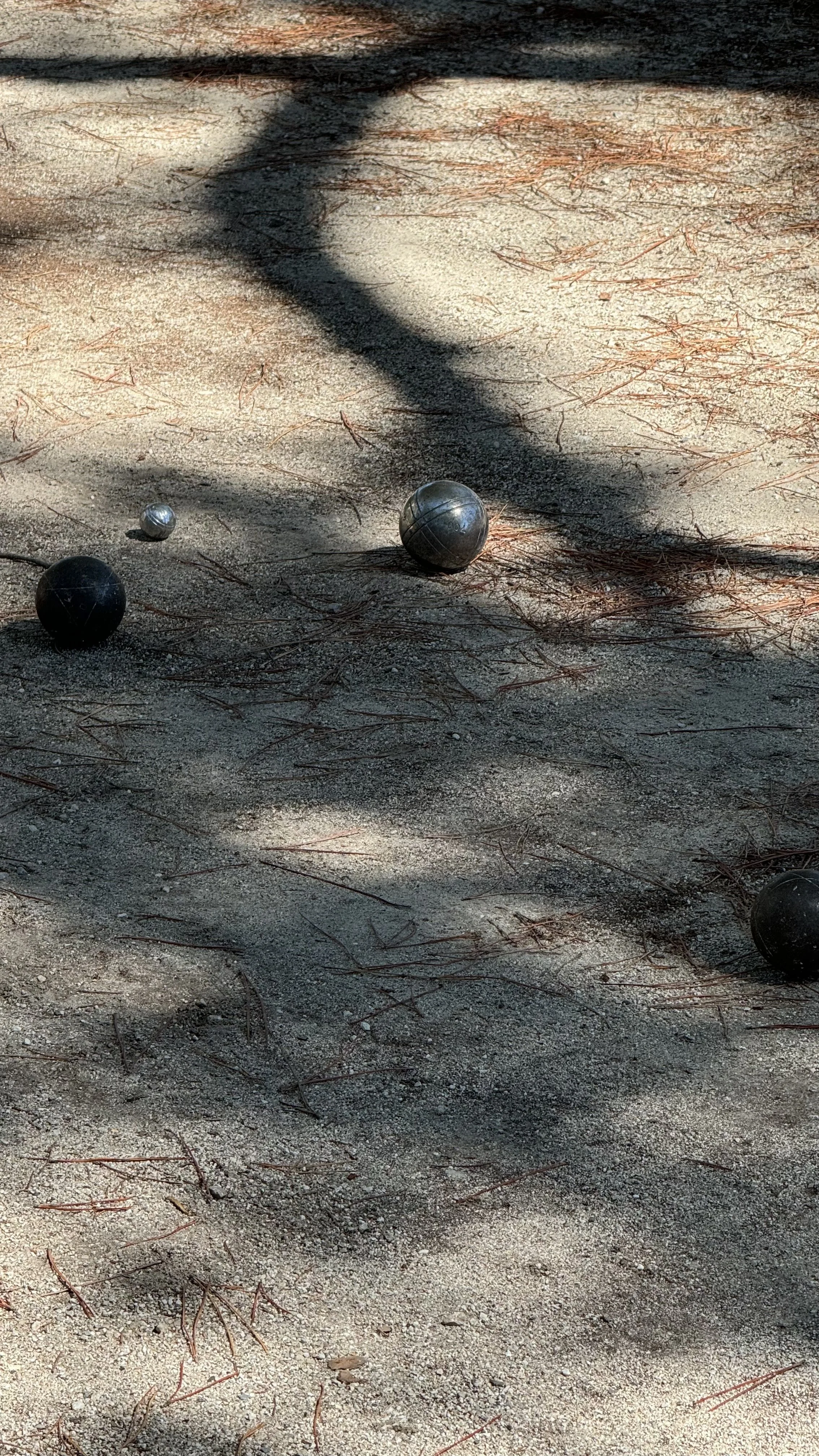
Before or after the museum, walk through the olive garden. You'll find locals playing pétanque, reading, or simply sitting in the shade. It is one of those quiet corners of Nice that feels entirely removed from the tourist city below.
Address: 164 Avenue des Arènes de Cimiez, Nice
Closed Tuesdays, a short walk from Musée Marc Chagall
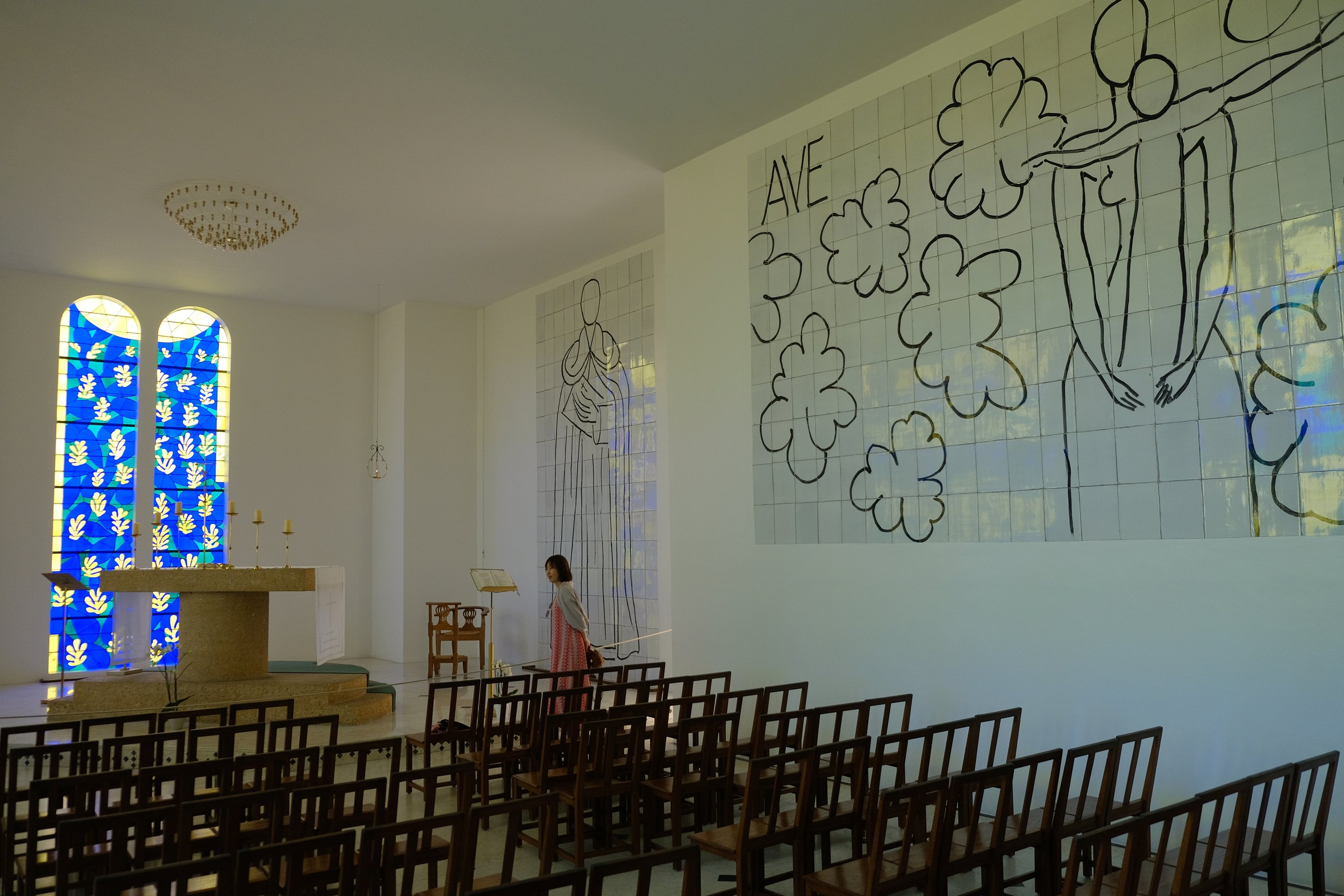
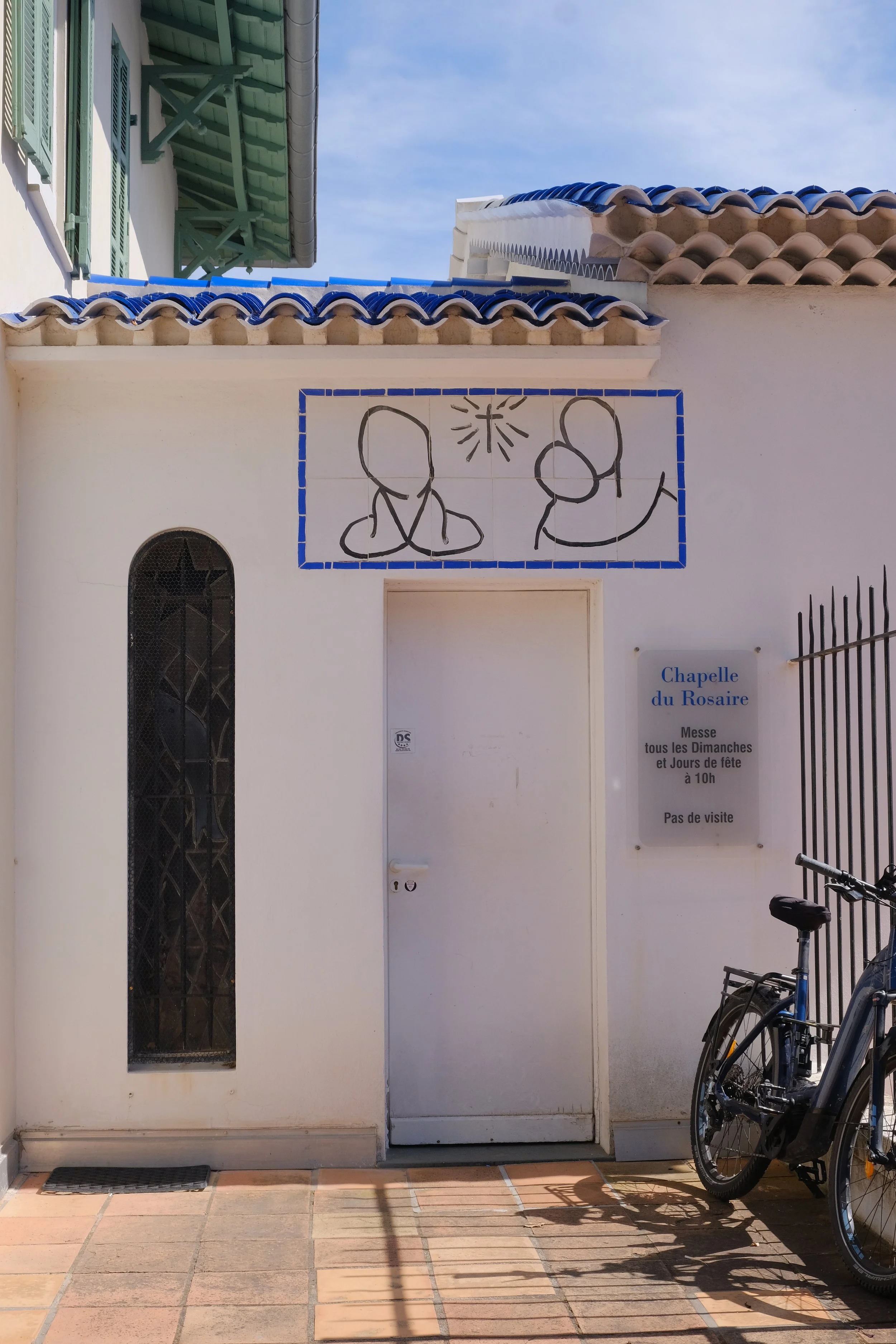
Chapelle du Rosaire or Matisse Chapel in Vence
For: the extraordinary minimalist chapel and Matisse's masterpiece
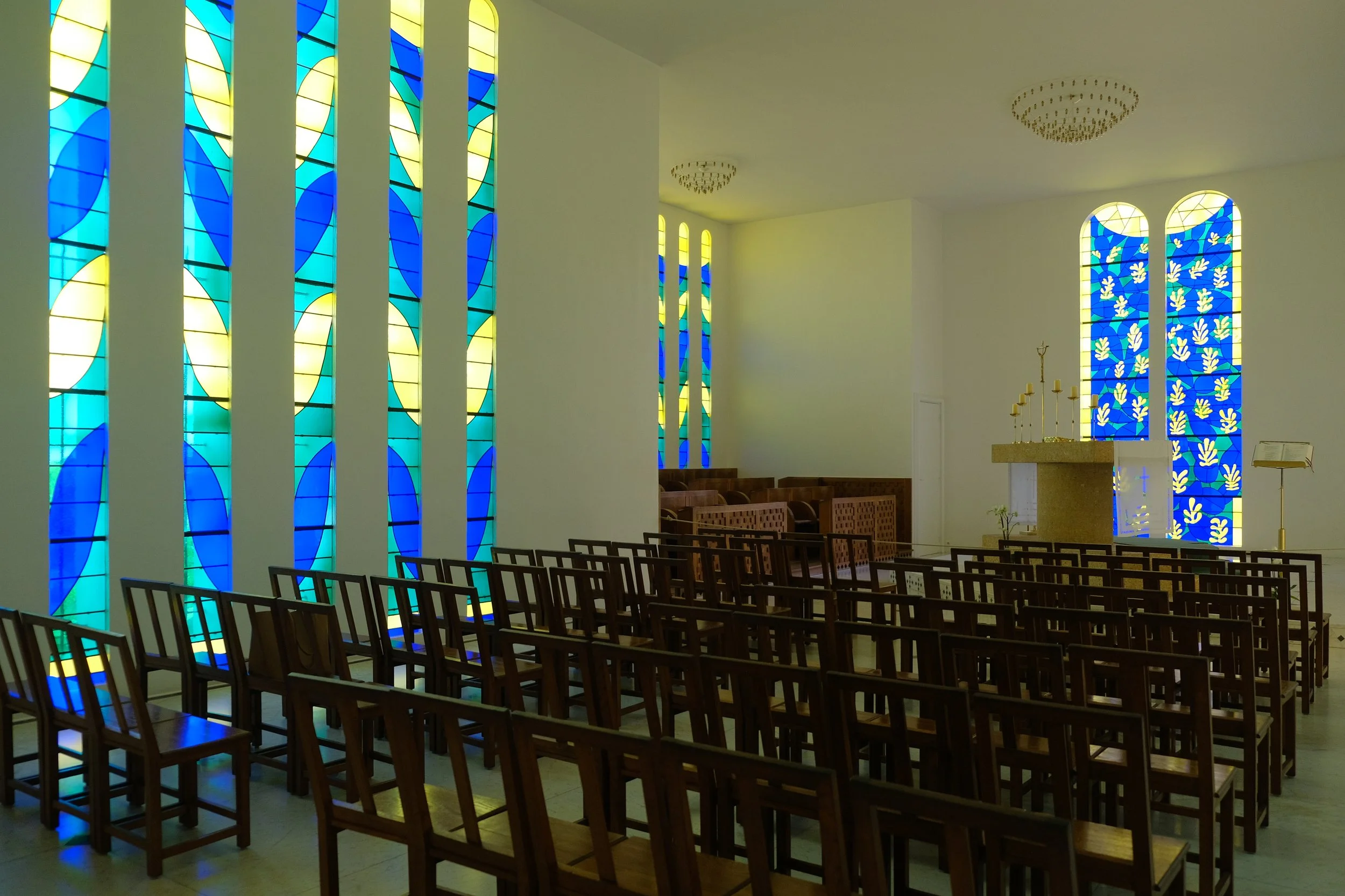
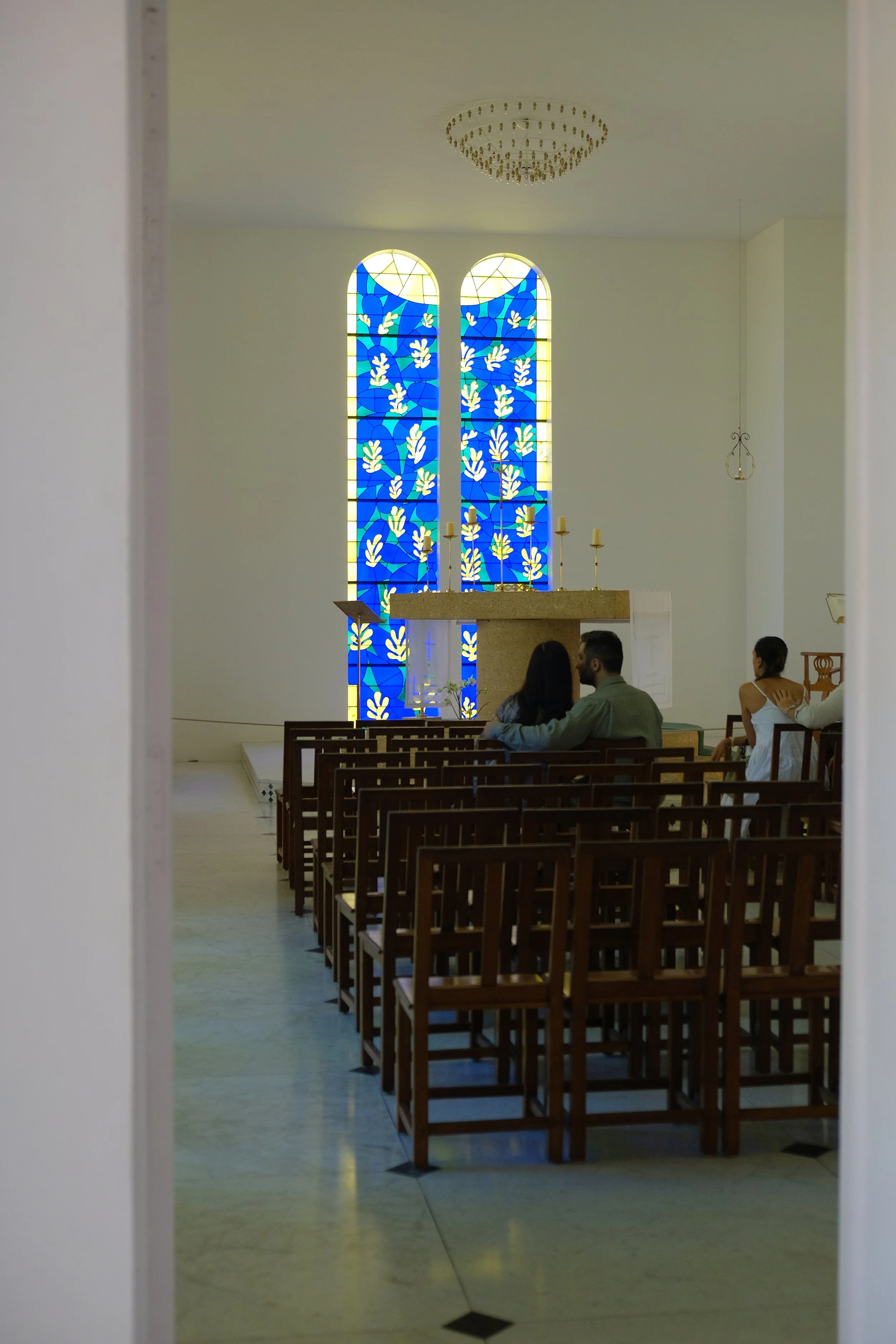
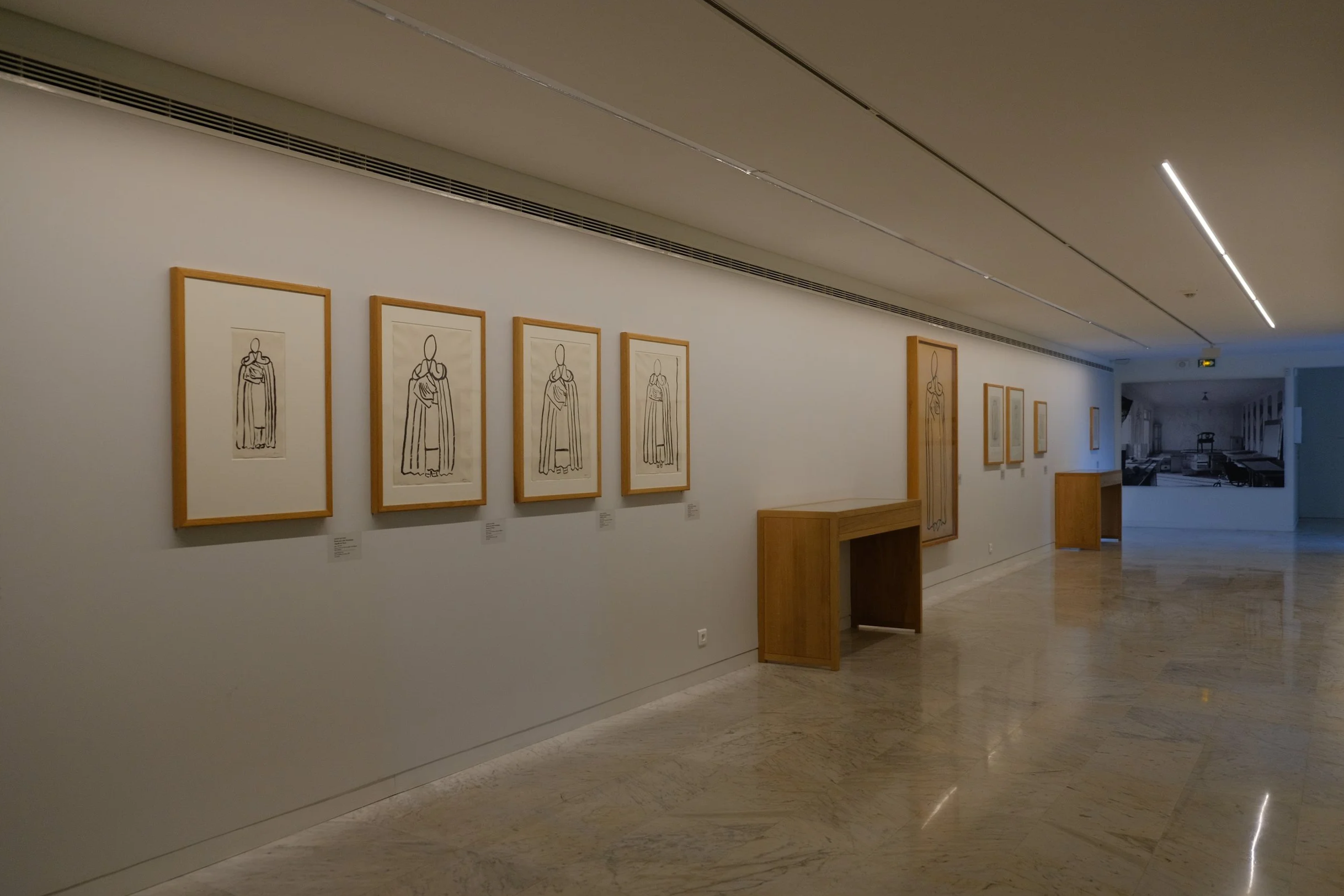
In the medieval town of Vence sits a small white chapel with the most minimalist look. His hand is recognizable immediately, in its simplicity — and I find that this is exactly where its beauty lies. He gave us space to breathe, to release everything we don't need while sitting there, and this can make any person feel better. Matisse himself called it the fruit of his whole working life, and you can see him in every detail of this chapel.
He designed everything himself, from the architecture and stained glass to the altar, murals, vestments, and even the confessional door — limiting his palette to just three colors for the stained glass: yellow for the sun, green for the vegetation, blue for the sea. It creates a calm, vibrant intensity as the light beams through.
Address: 466 Avenue Henri Matisse, Vence
Closed Sundays and Mondays, and for lunch from 11:30 to 14:00 — check seasonal hours before visiting
Musée Picasso — Antibes
For: Picasso in the most joyful period of his art, in the castle where he made it
This is not just a museum about Picasso. It is a museum about what happens when a great artist arrives somewhere beautiful after a long, dark time.
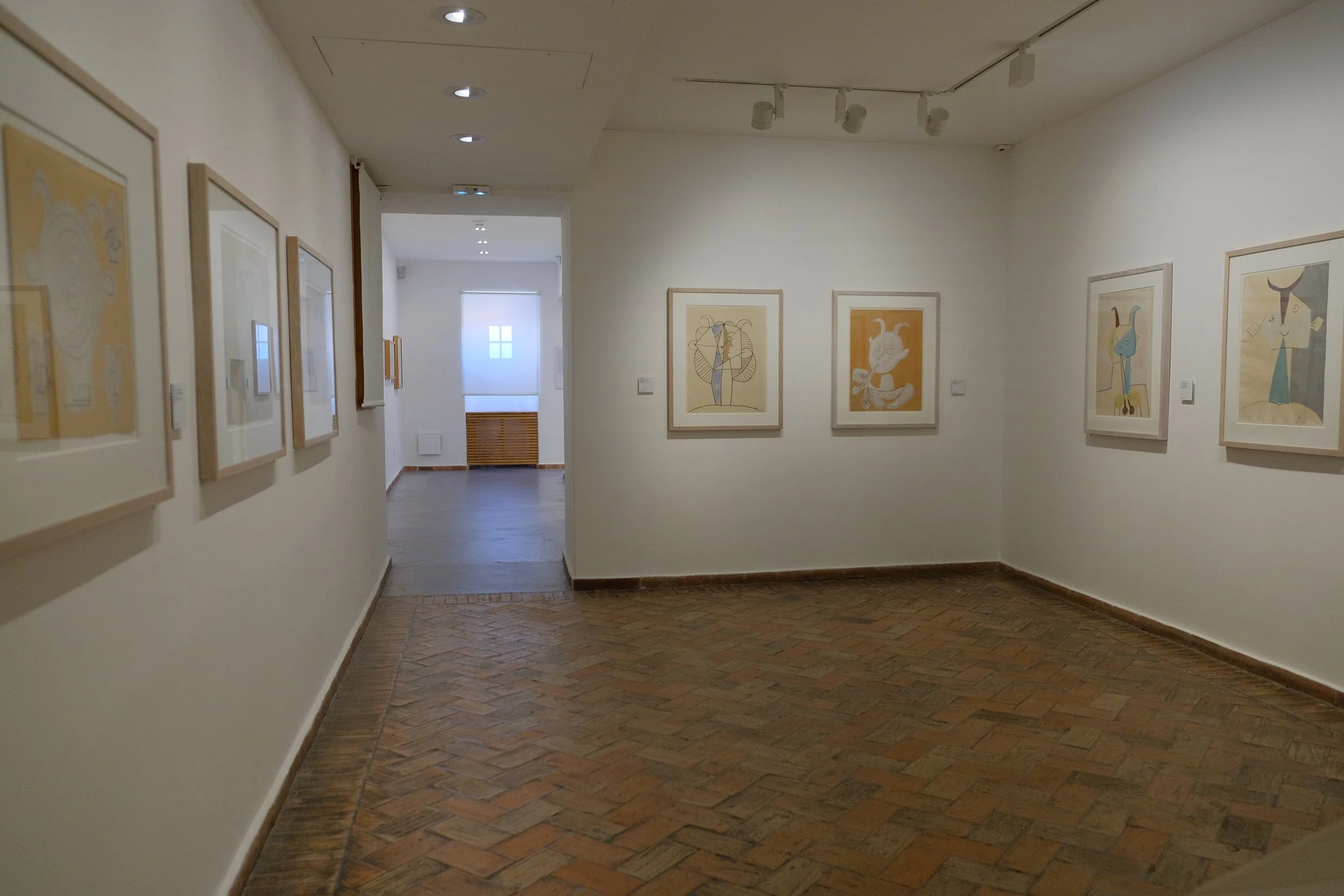
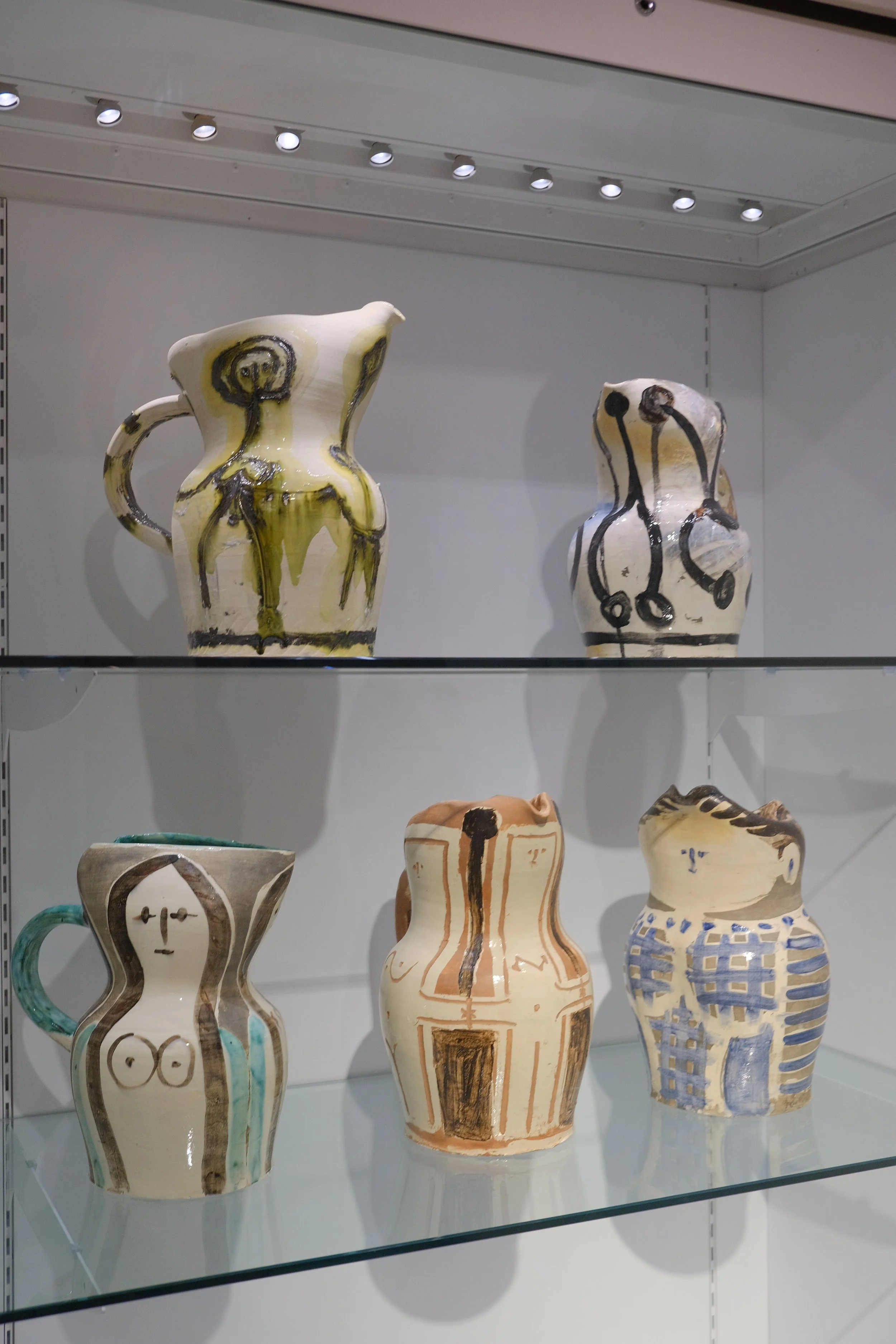
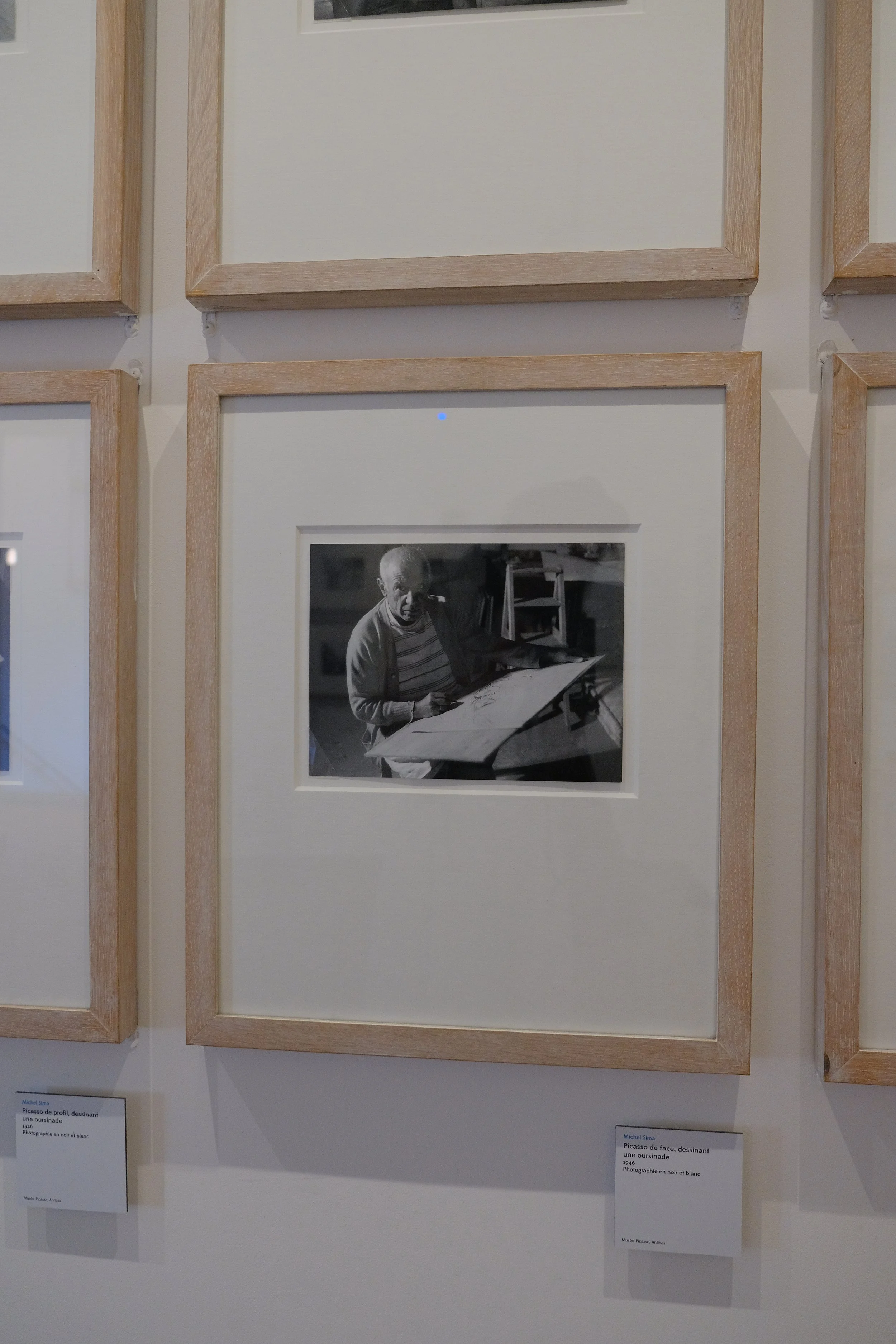
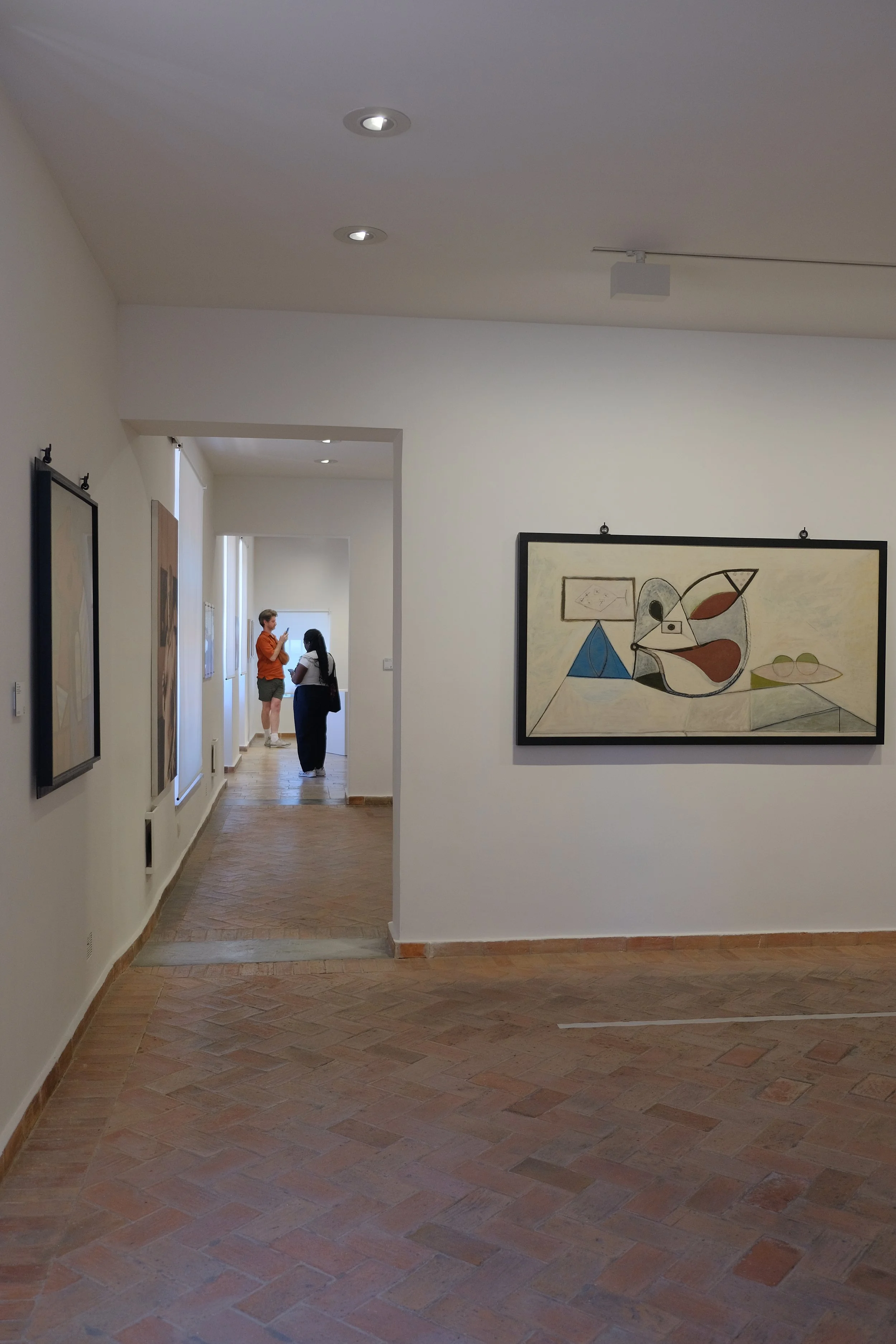
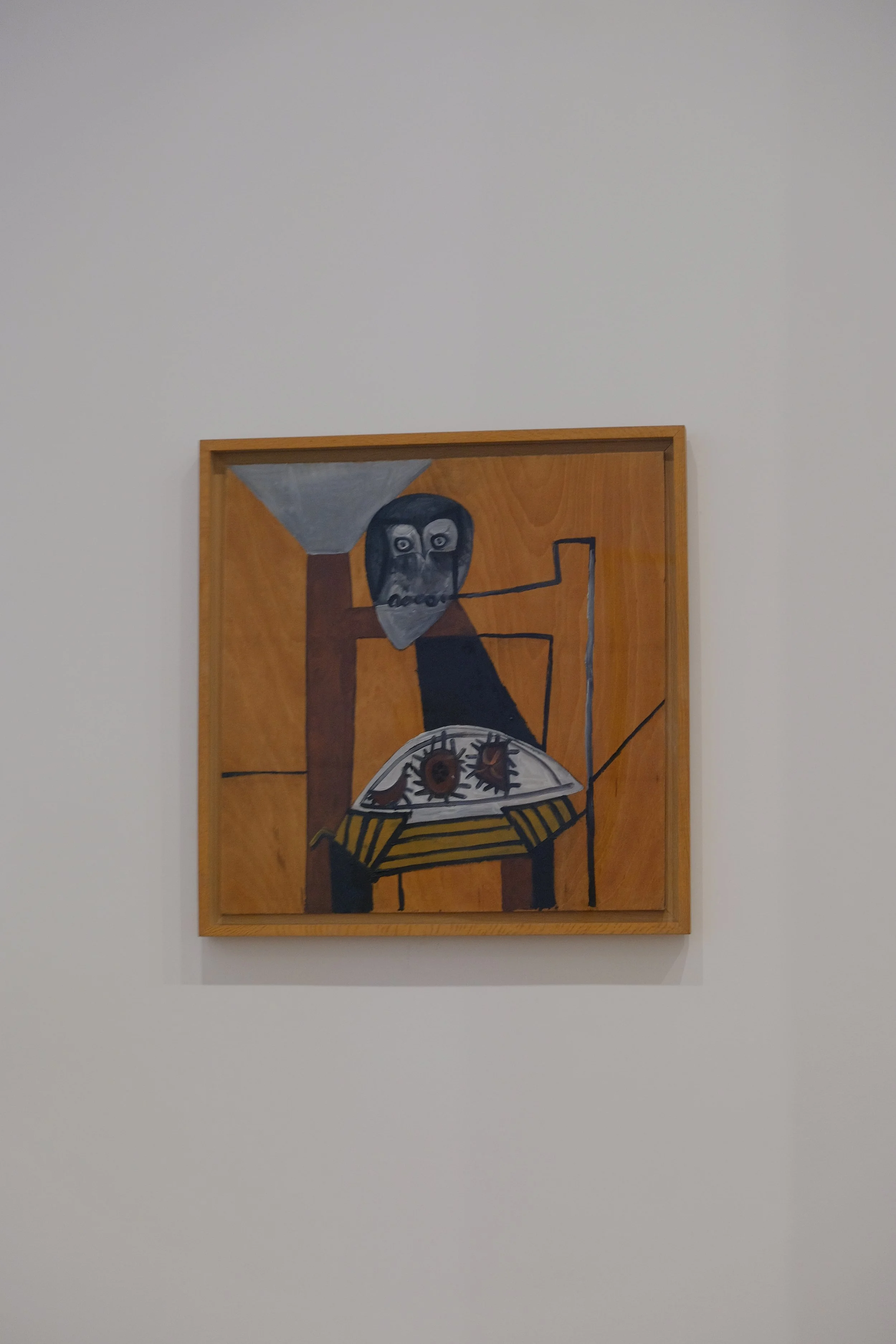
Picasso came to Antibes in 1946, just after the war. The curator of the empty, freshly-liberated castle offered him the entire upper floor as a studio. Picasso accepted and spent the autumn working with extraordinary energy — ceramics, paintings, drawings — all made in direct conversation with the sea outside the windows and the warmth and light of the Riviera.
When he left, he gave everything he had made during that period to the museum.
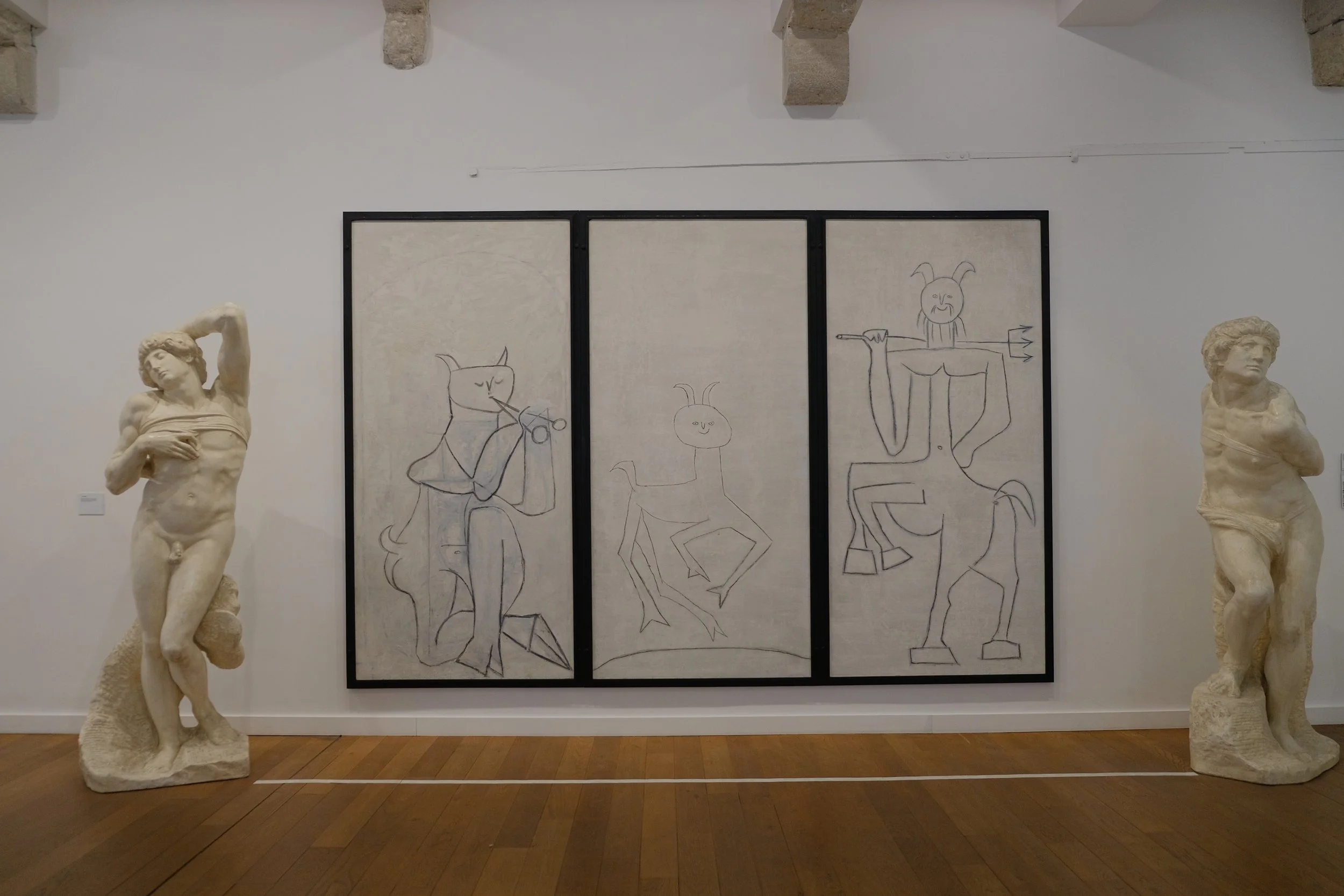
The centerpiece is La Joie de Vivre (The Joy of Living), a large painting of dancing figures and fauns by the sea, so full of pleasure and freedom that it is impossible to stand in front of it and feel nothing. He was 65 when he painted it. He had just come through the occupation. And this is what he made.
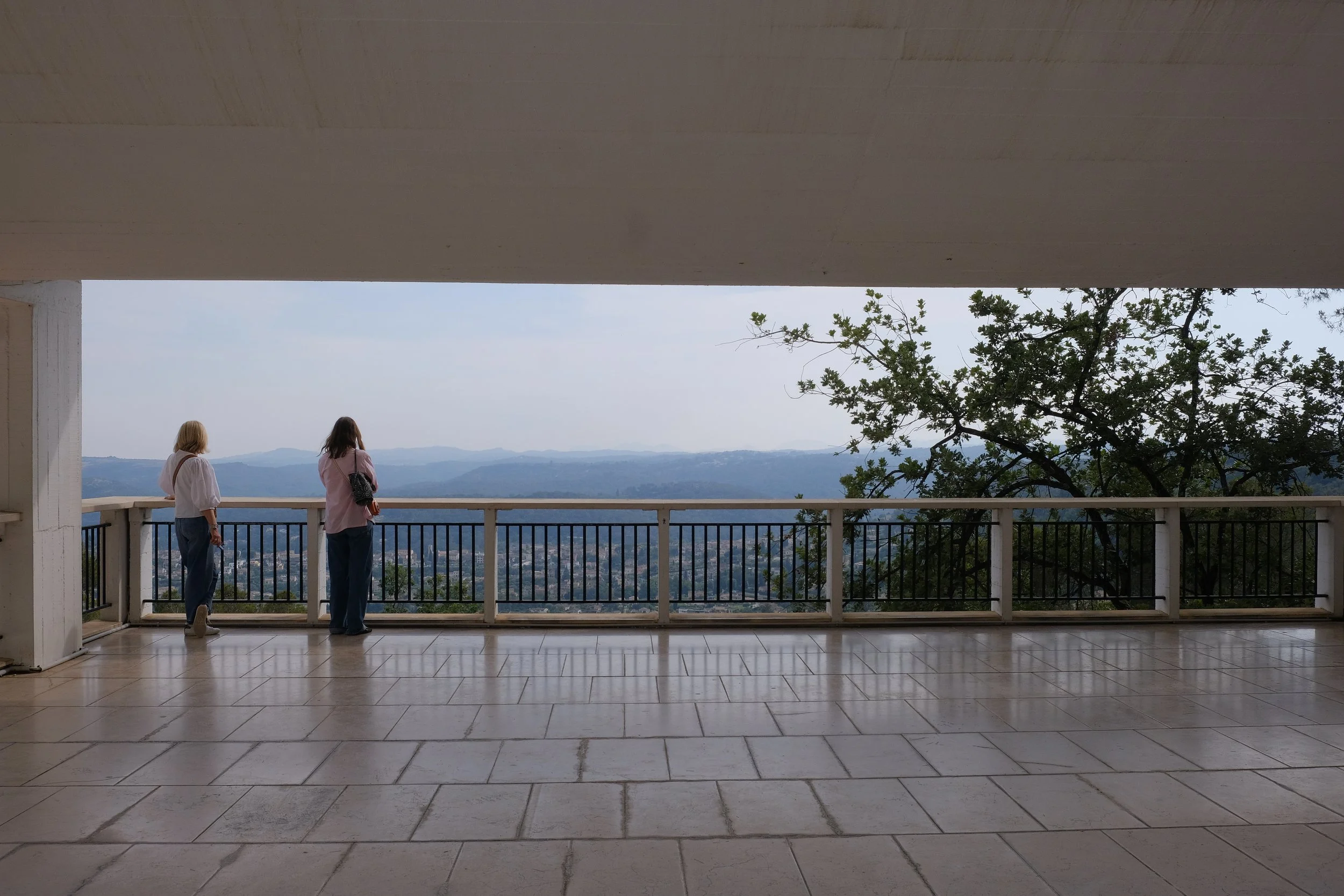
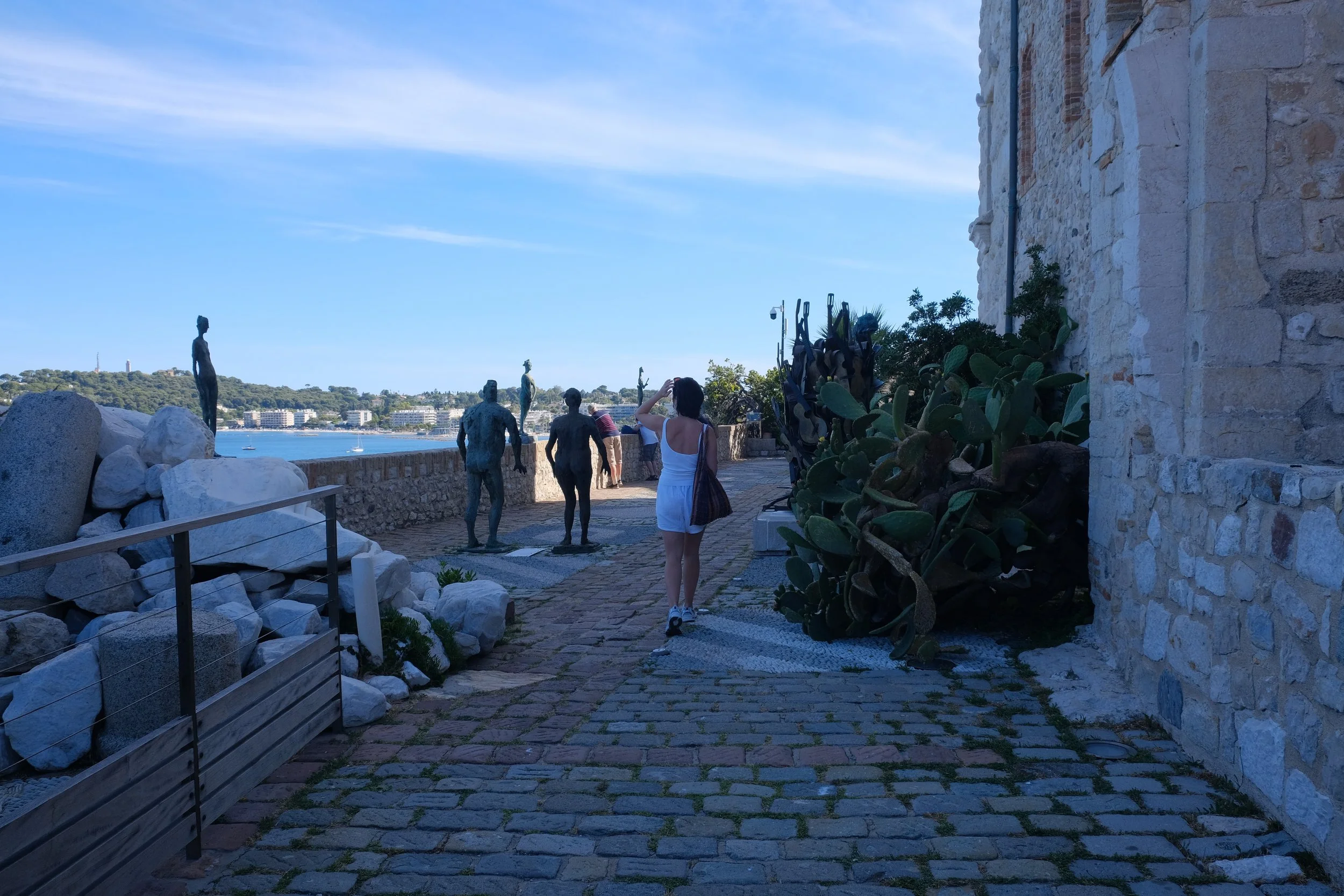
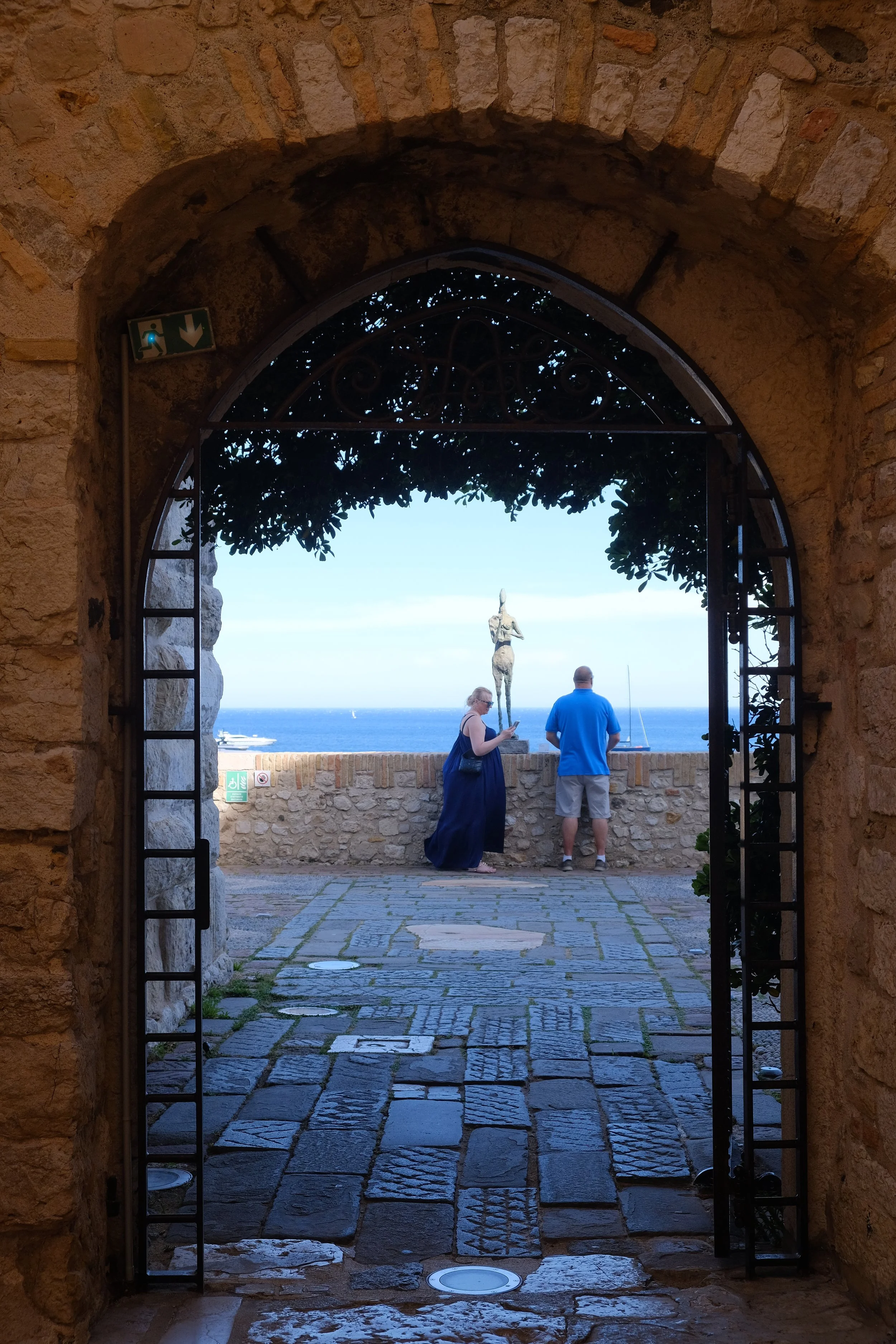
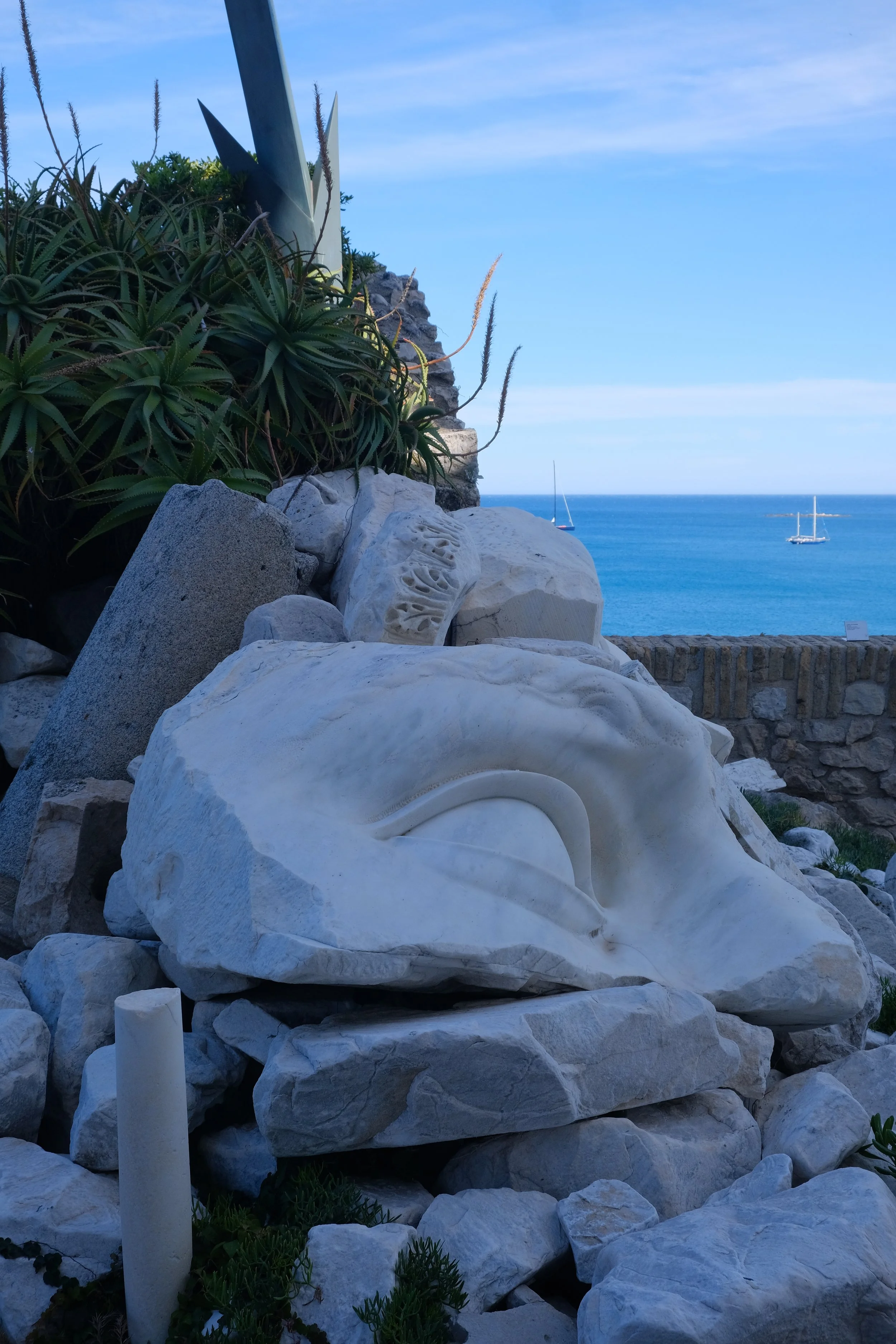
The museum also has a terrace above the sea with beautiful views over the Riviera — worth lingering on before you leave.
Address: Place Mariejol, Antibes
Closed Mondays
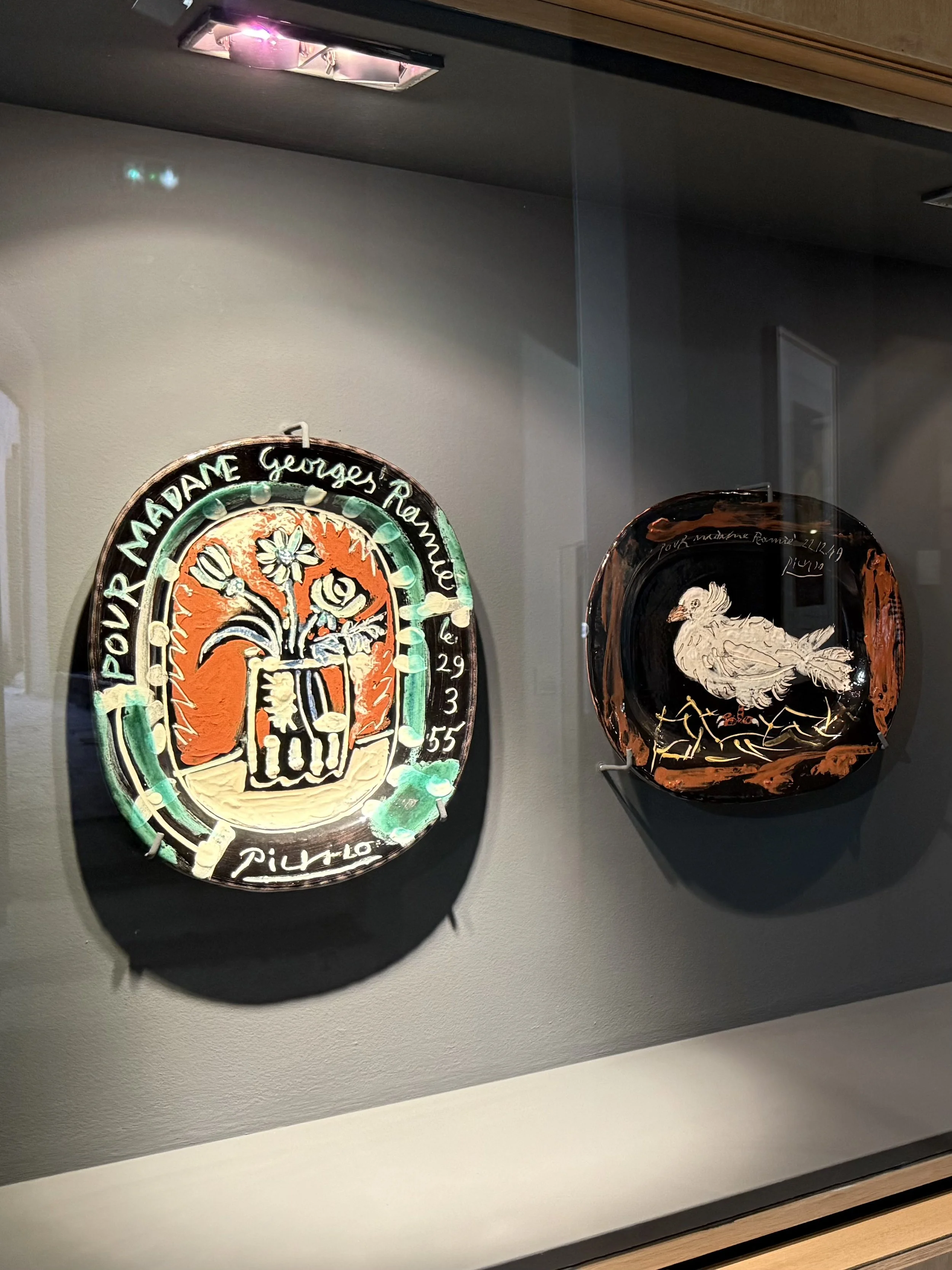
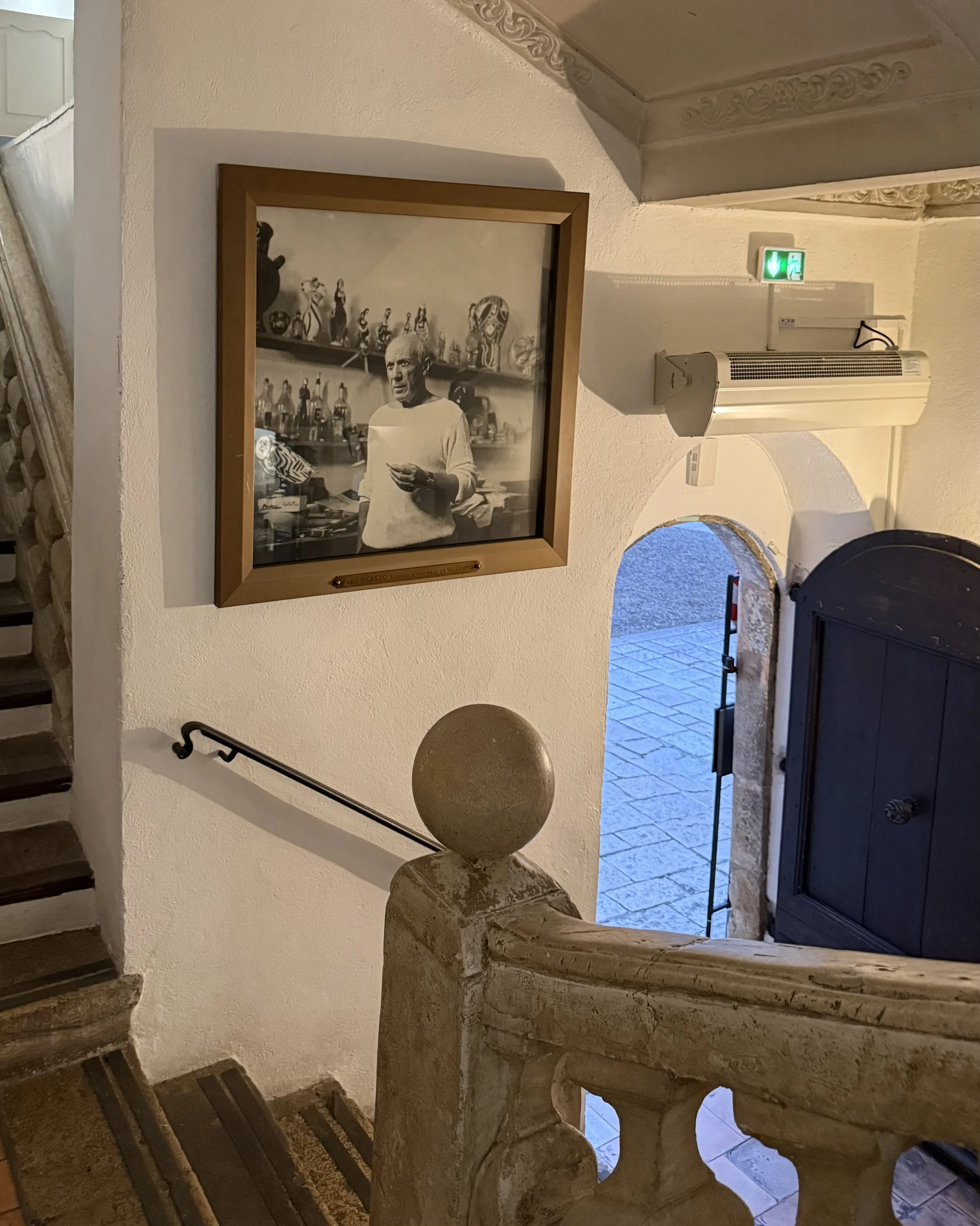
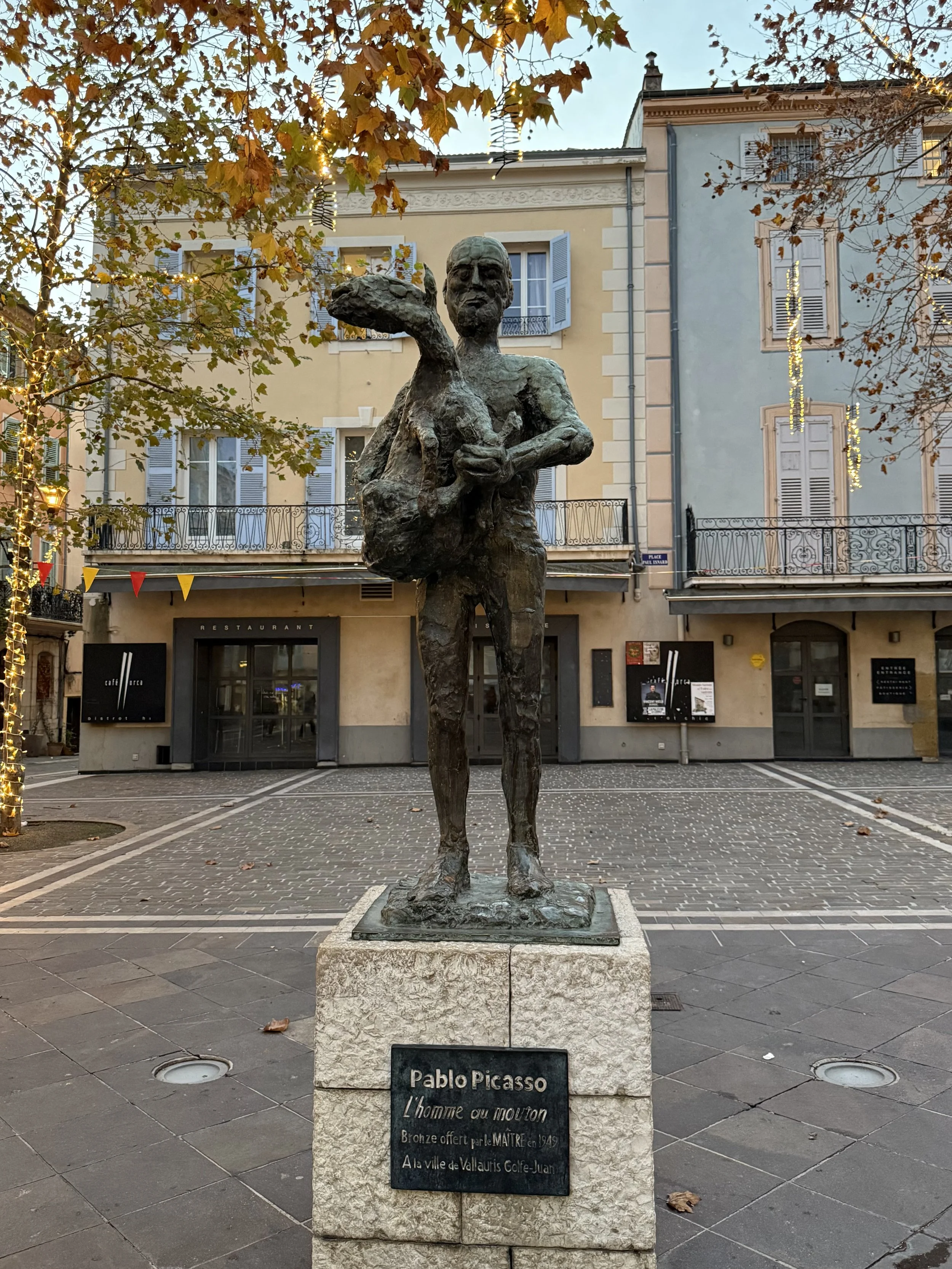
Musée National Picasso — Vallauris
For: the most powerful room on the Riviera
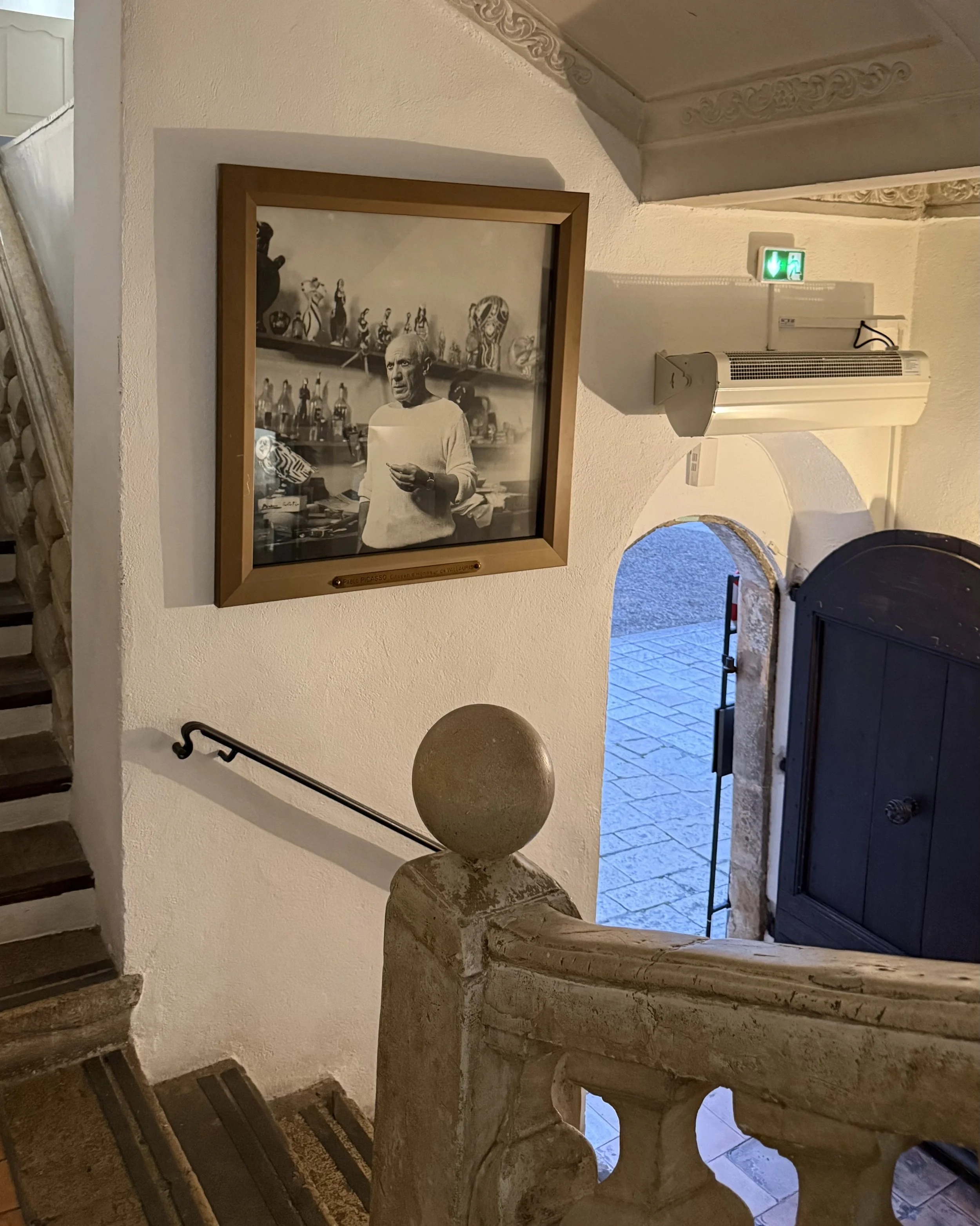
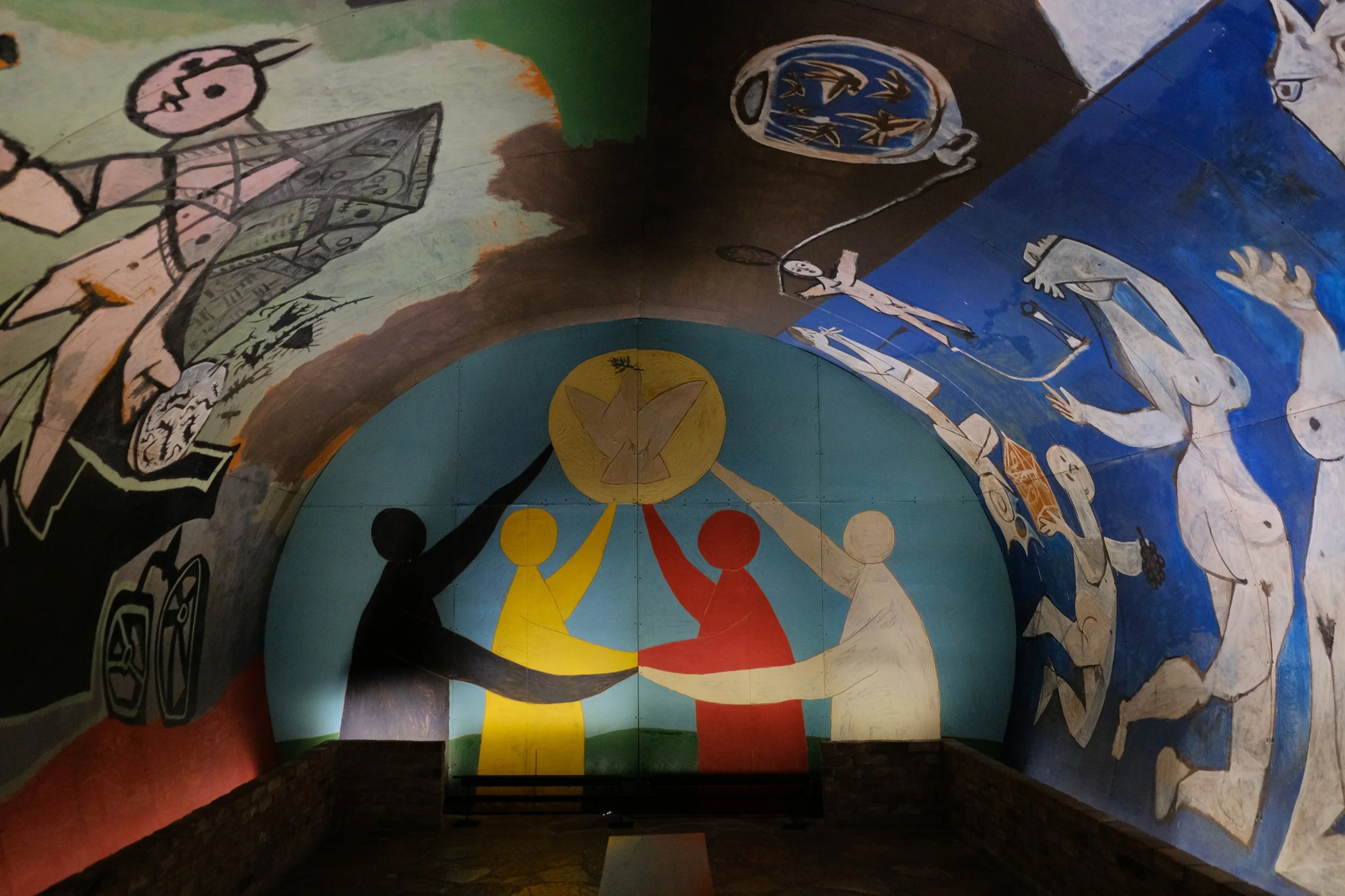
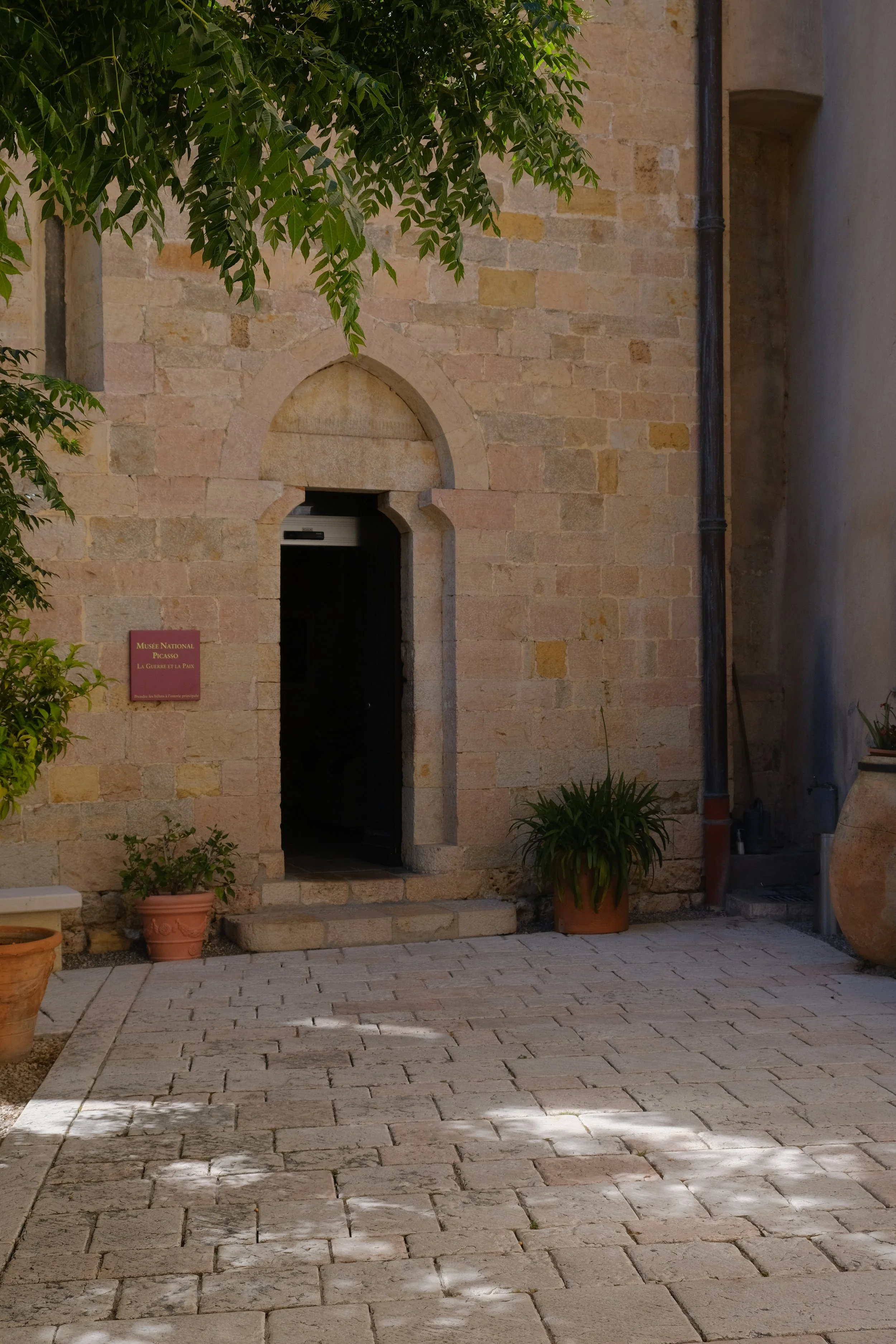
Twelve minutes from Antibes, in the small ceramic town of Vallauris, there is a medieval priory chapel that contains one of the most extraordinary works of art in the South of France. War and Peace — two enormous murals painted directly onto the curved walls of the chapel by Picasso in 1952 — fill the entire space. One side: war. The other: peace. Standing in the small, curved room between them is an experience that is difficult to describe and impossible to forget.
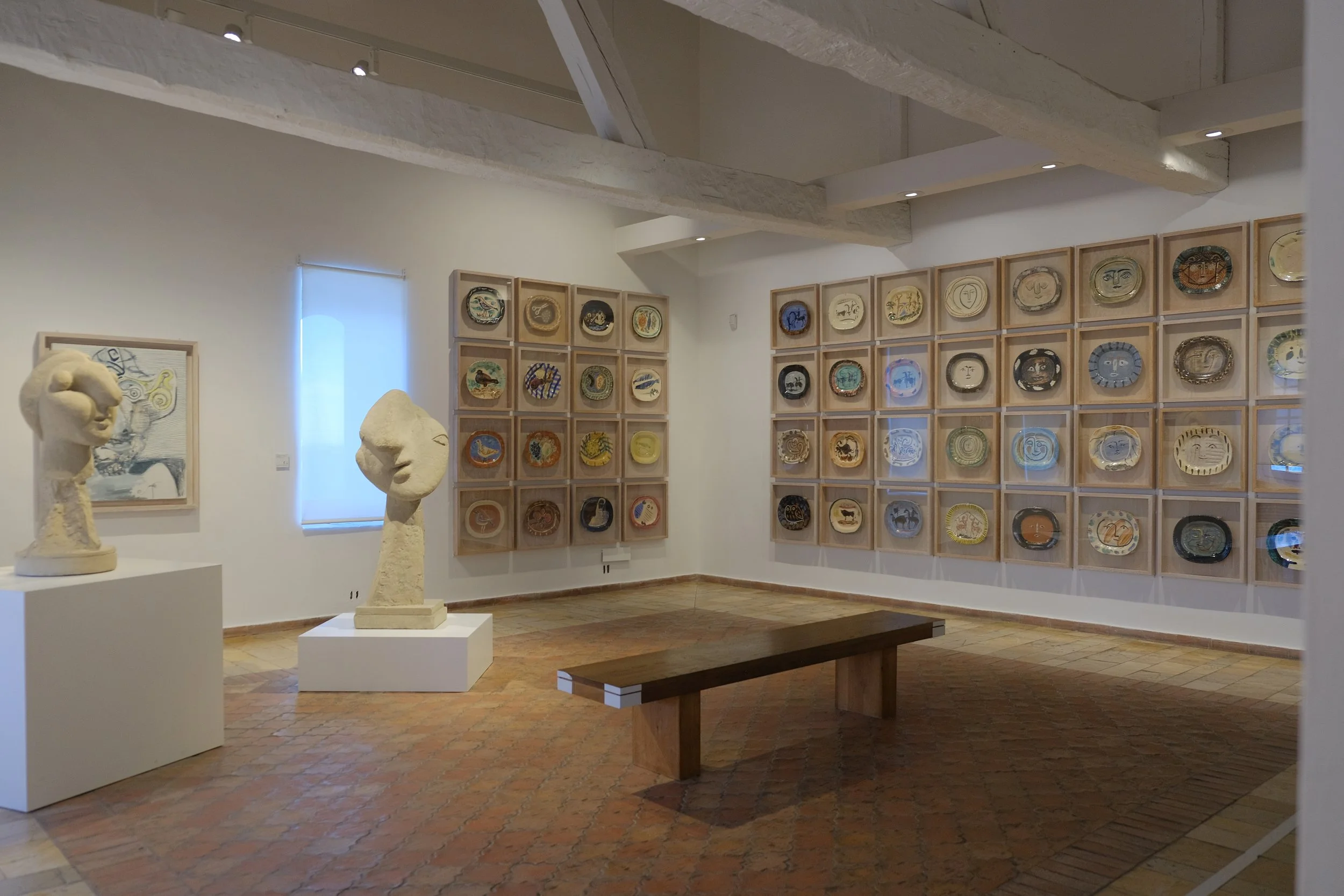
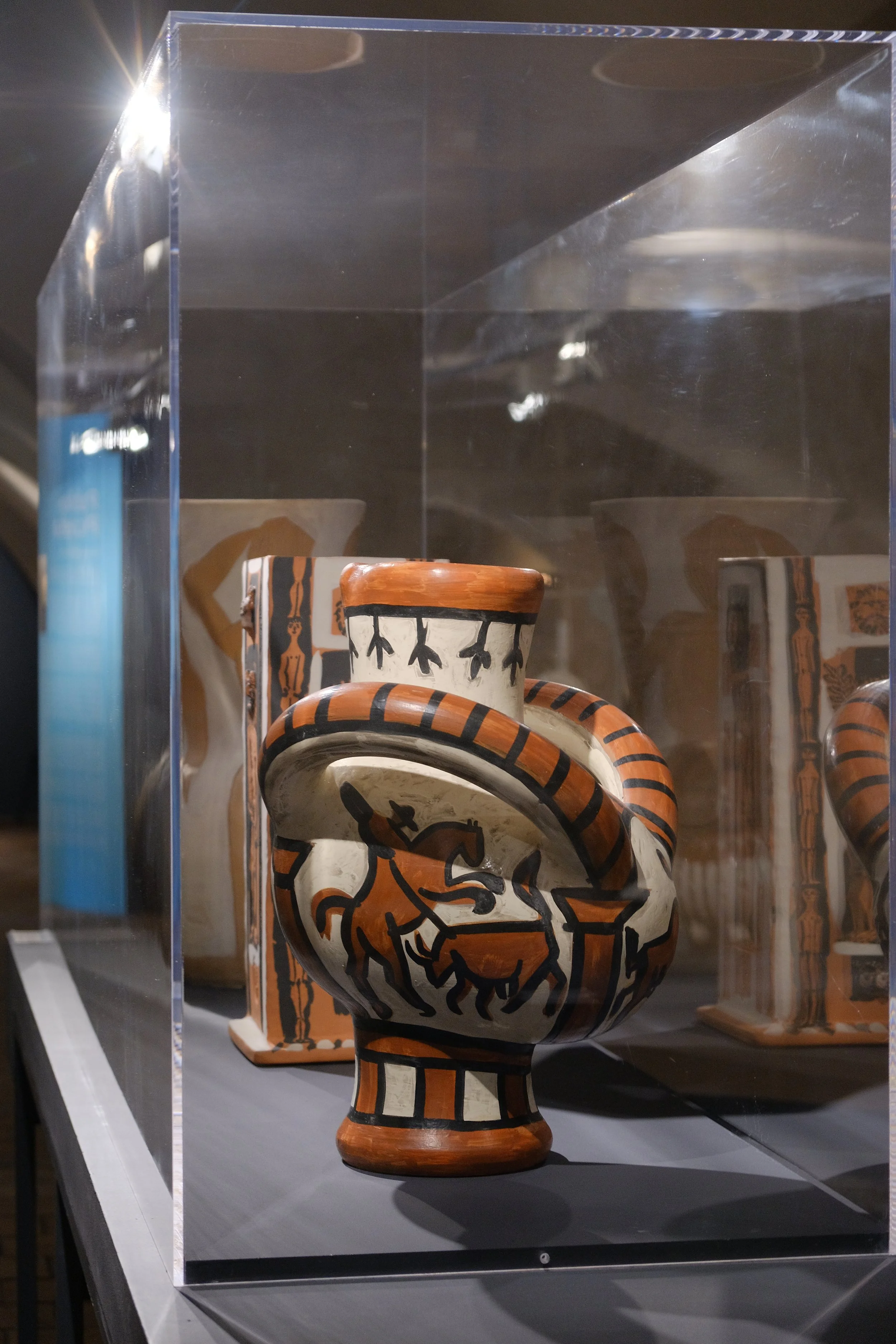
The museum also includes the Musée de la Céramique, which allows you to dive deeper into what makes Vallauris truly special — ceramic creation as an art form in its own right. It is a wonderful complement to the Picasso murals, giving you the full picture of why this particular town captured his imagination so completely.
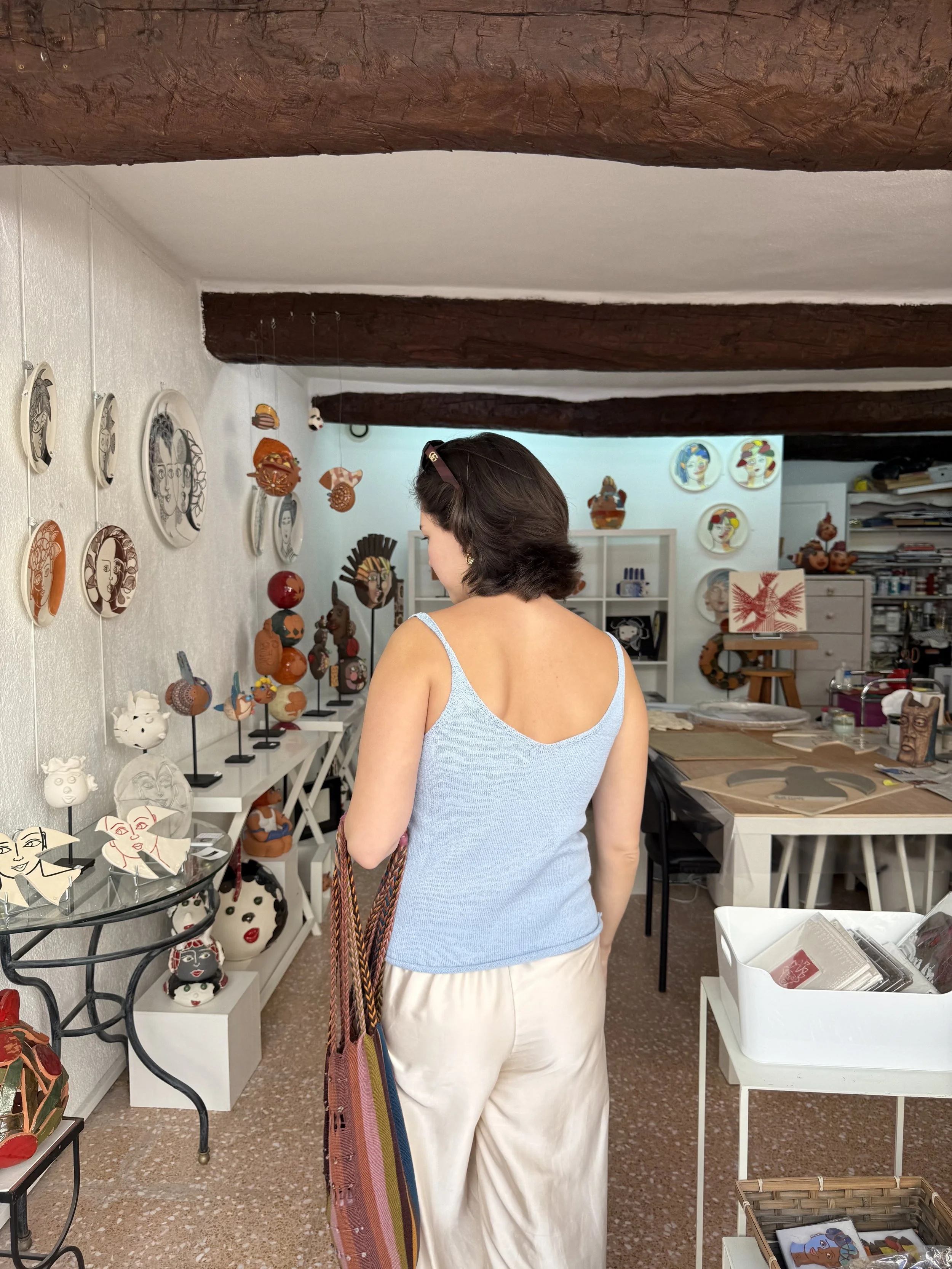
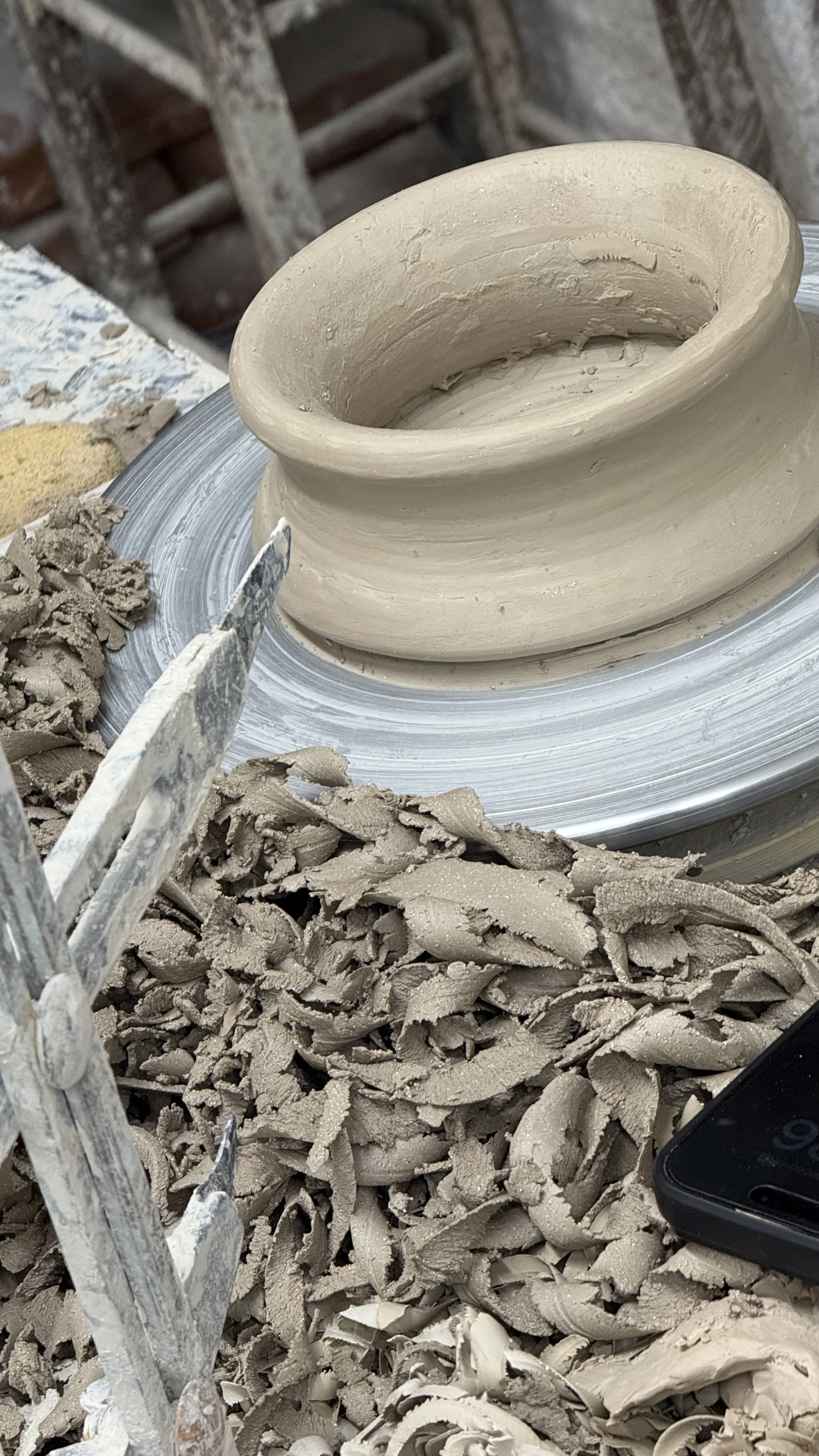
The town itself is worth an hour of wandering afterwards — the ceramic workshops on the main street range from tourist shops to genuine family studios where the craft has been passed down for generations. You will see the difference immediately.
Address: Place de la Libération, Vallauris
Closed from Tuesday to Friday and for lunch from 12:15 or 12:30 to 14:00
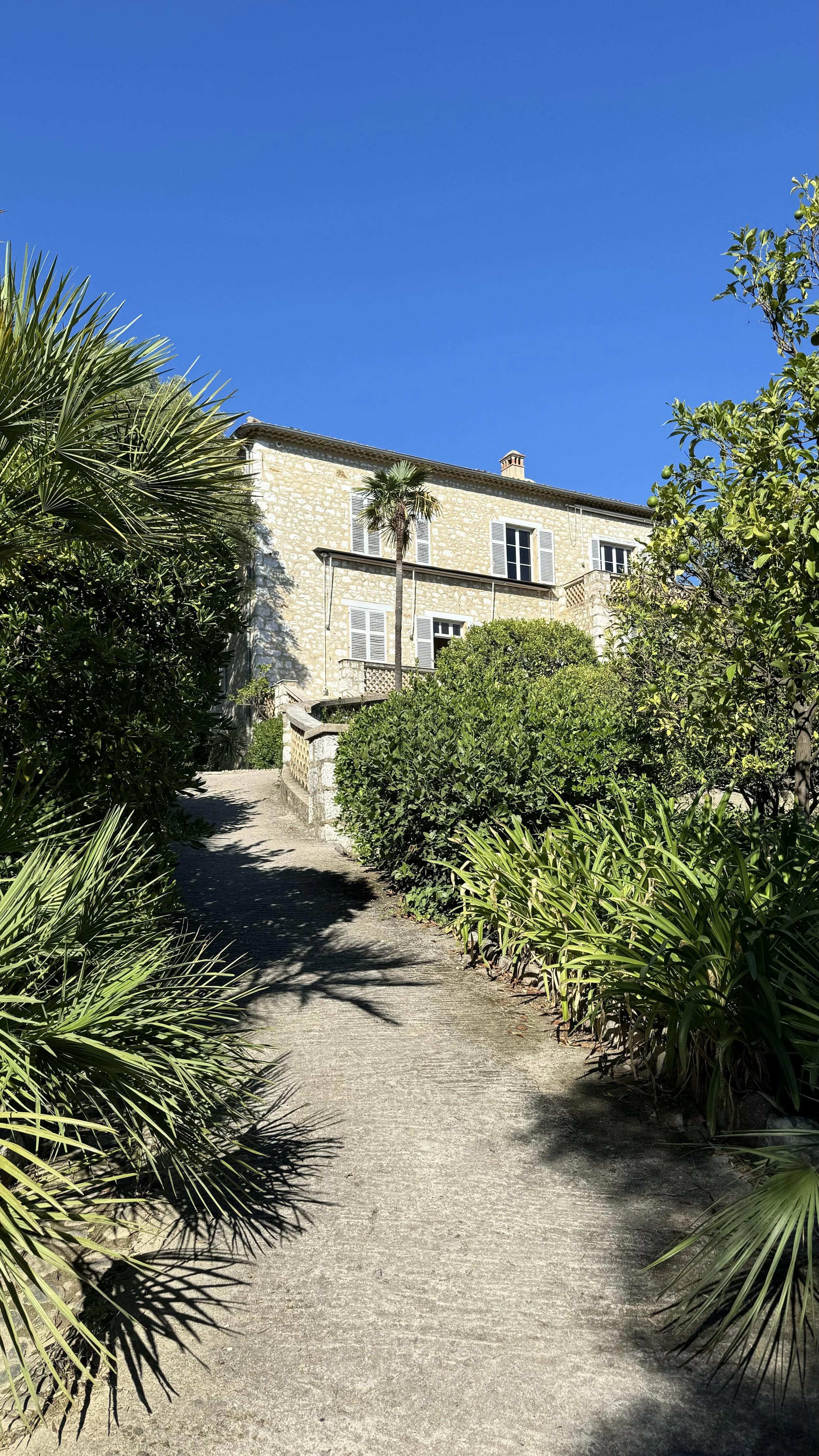
Musée Bonnard — Le Cannet
For: tenderness of the colors you will dream about, and the views from the town above Cannes
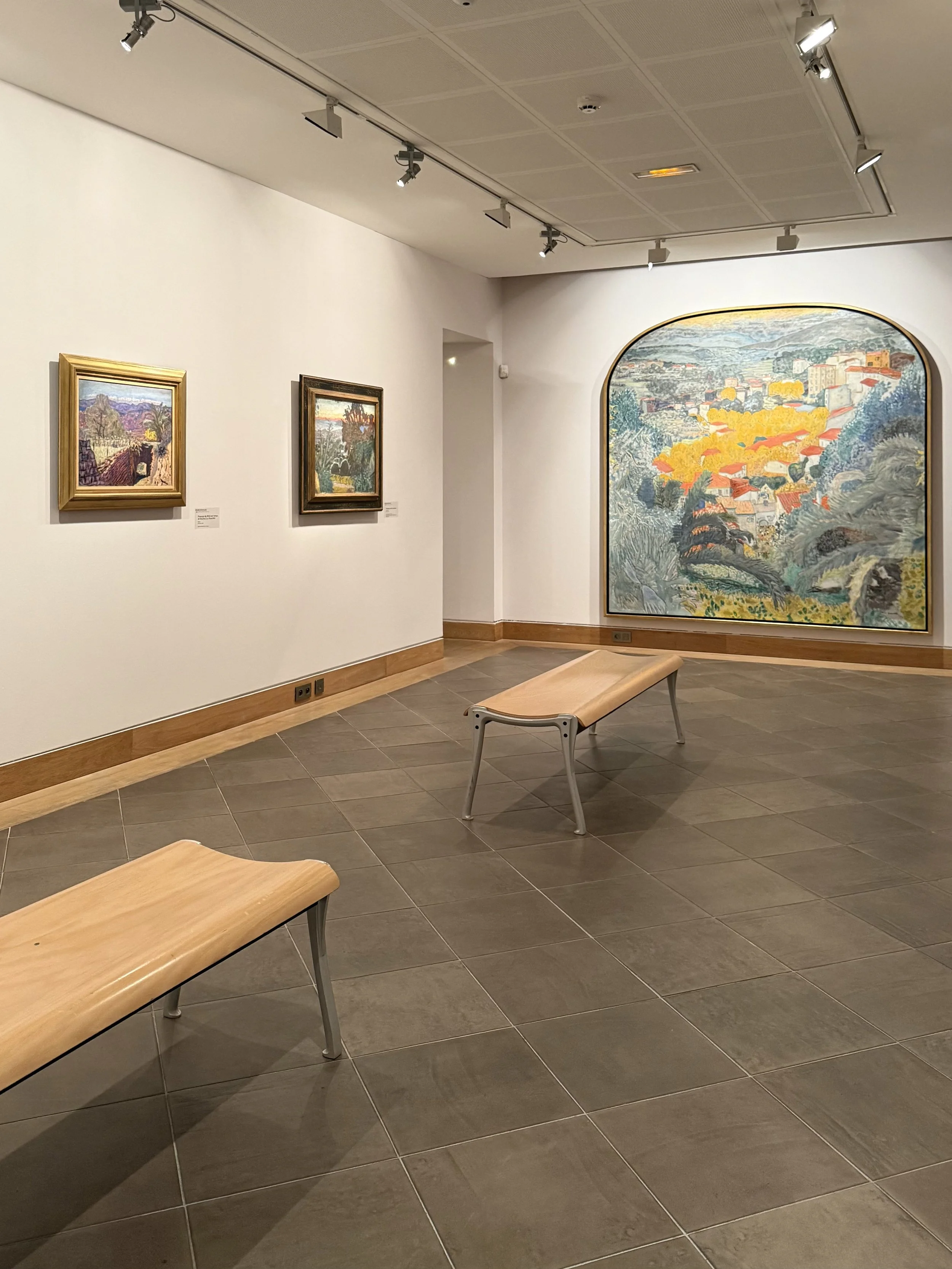
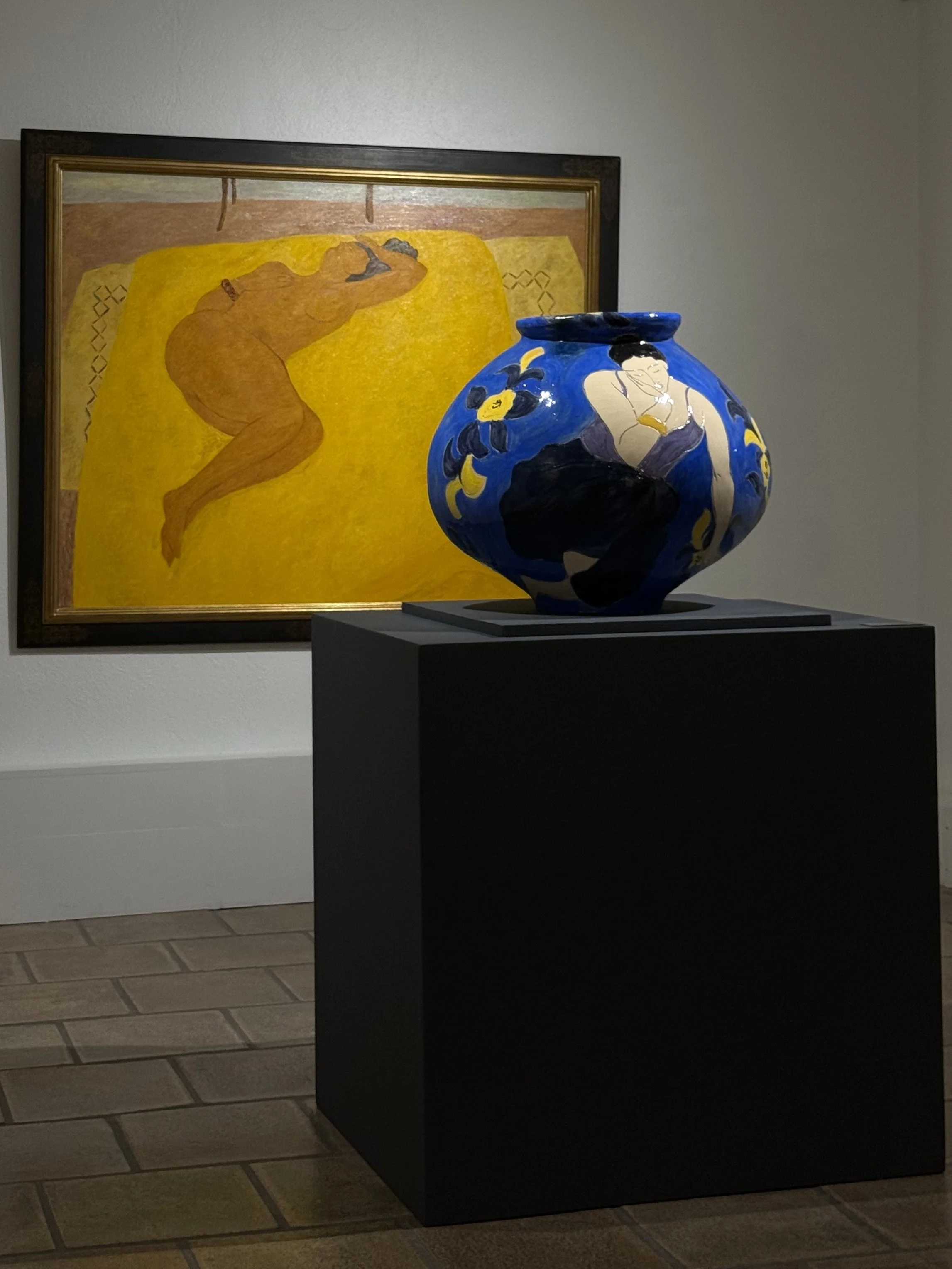
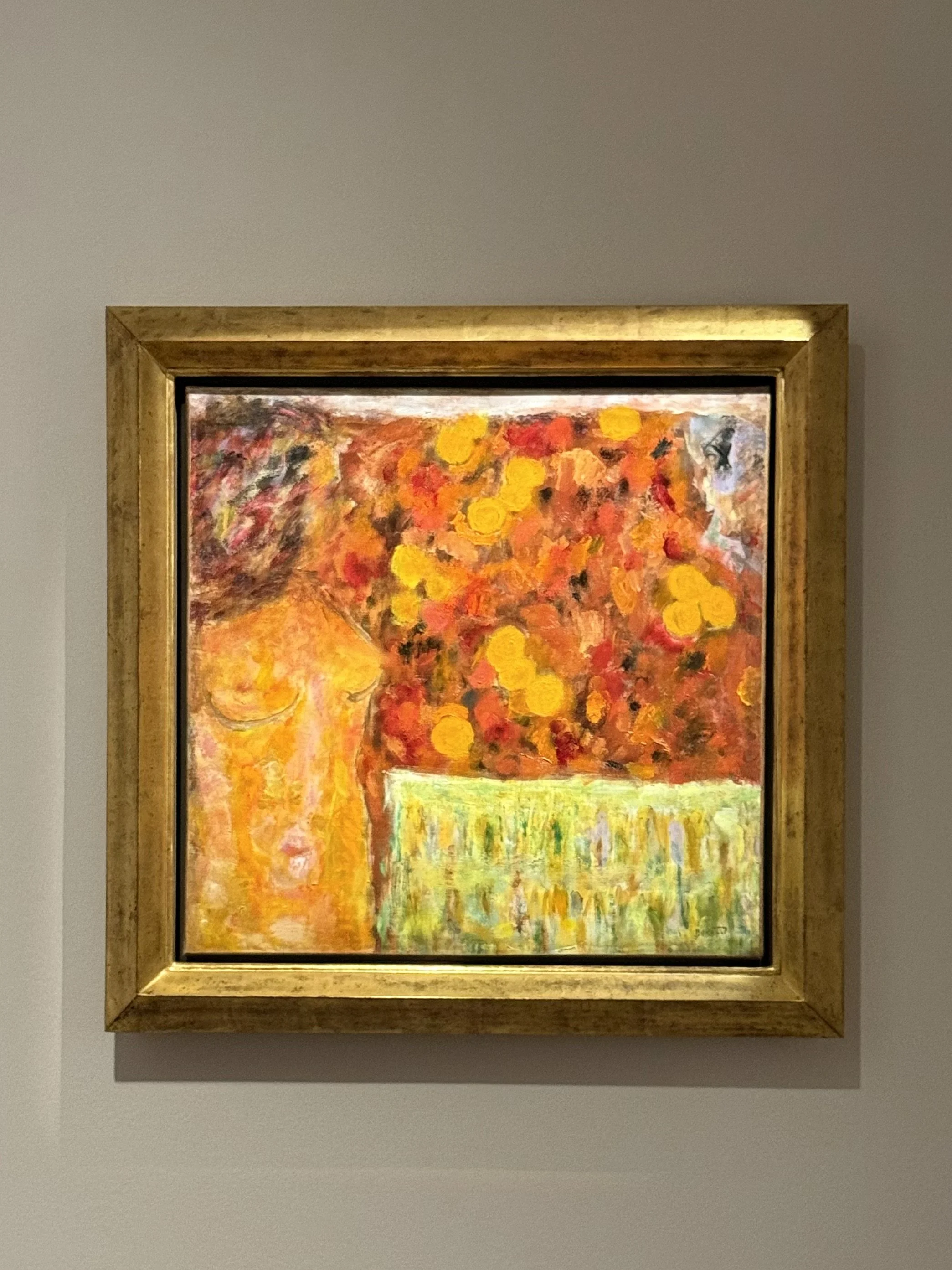
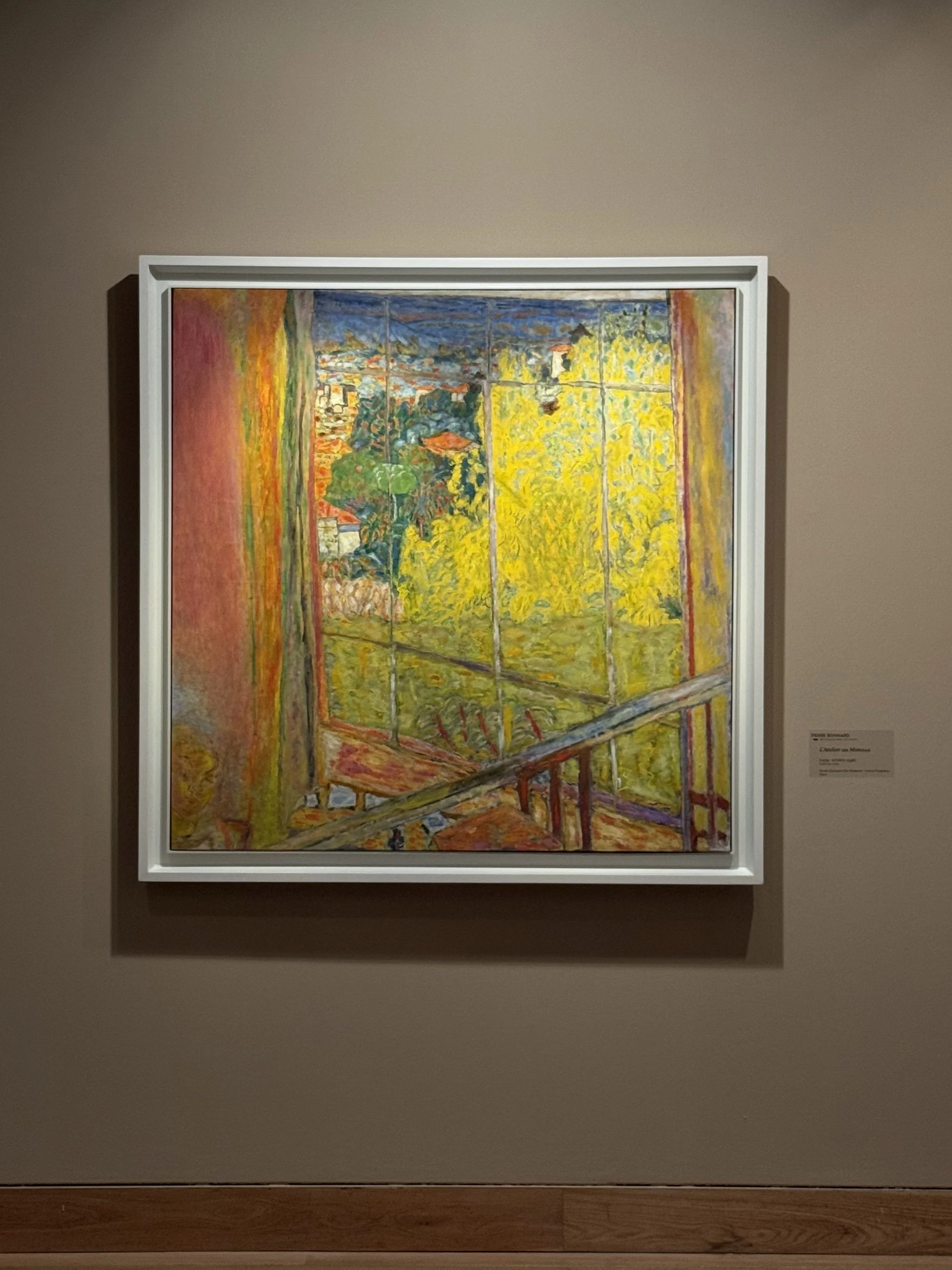
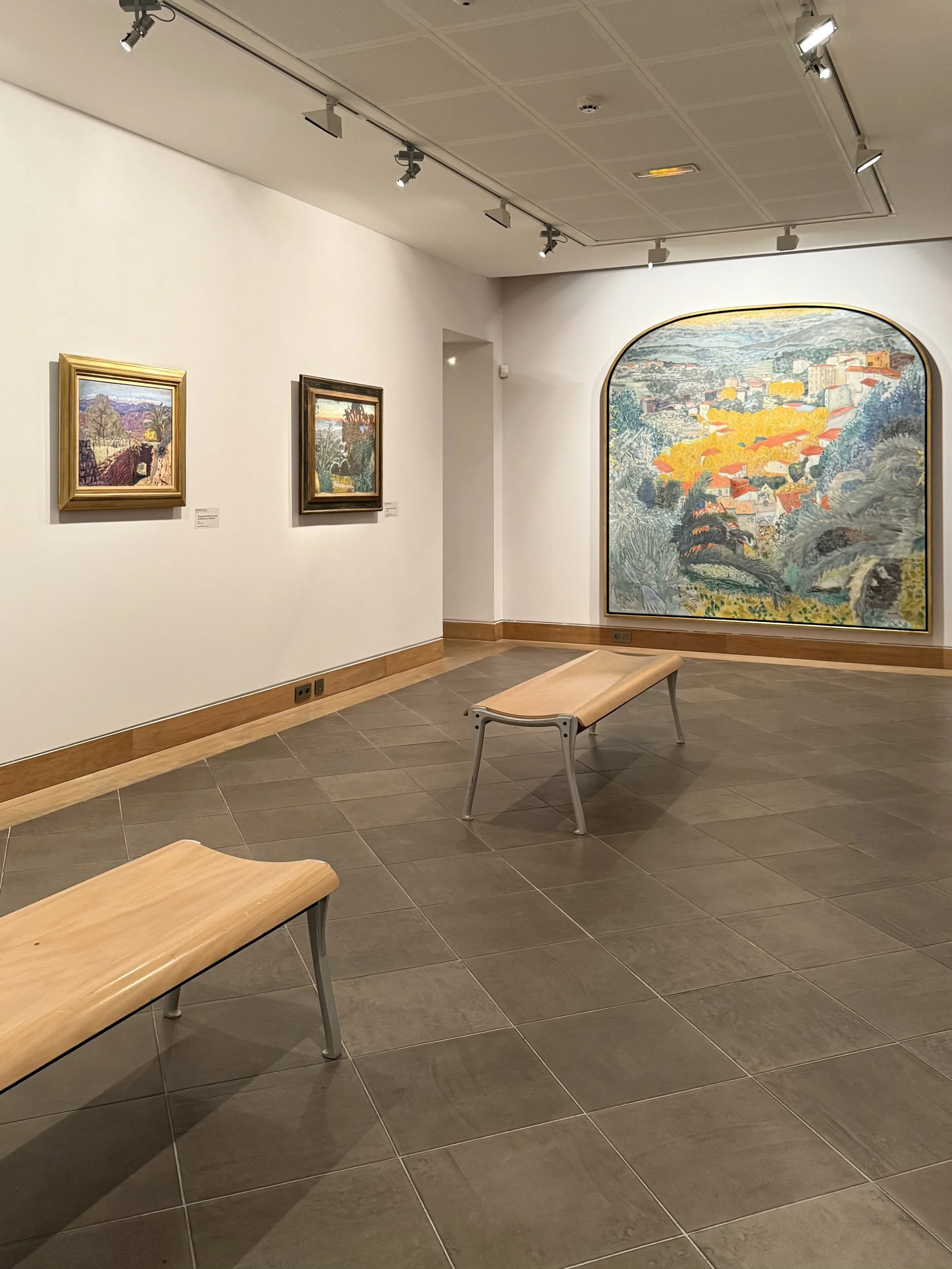
Pierre Bonnard is perhaps the least famous name on this list outside of France, and the most surprising discovery for those who don't yet know his work. He was a Post-Impressionist painter obsessed with color and domestic light — the way sunshine falls through a window onto a breakfast table, the particular purple of a shadow in a garden, the warmth of an afternoon interior.
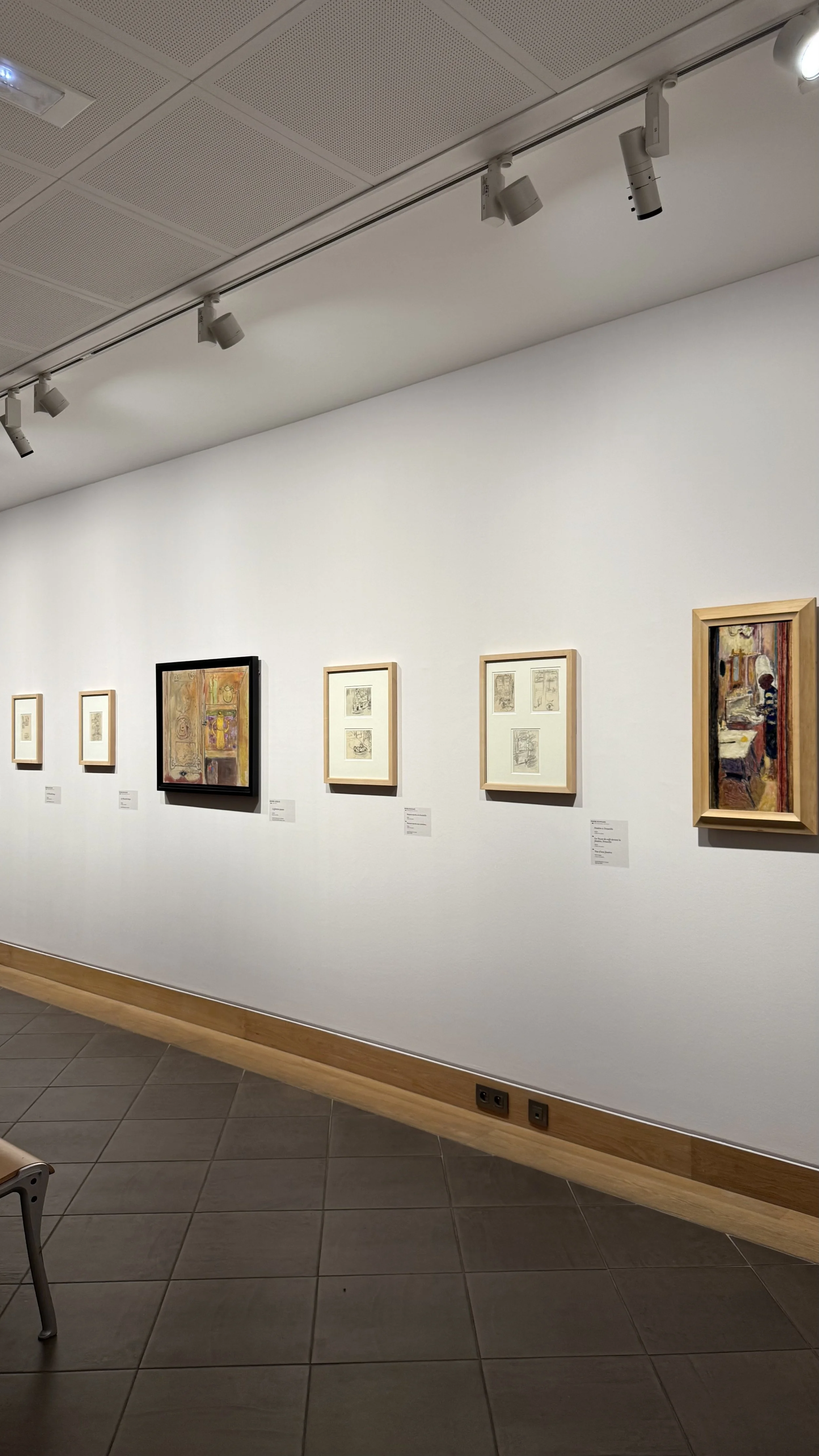
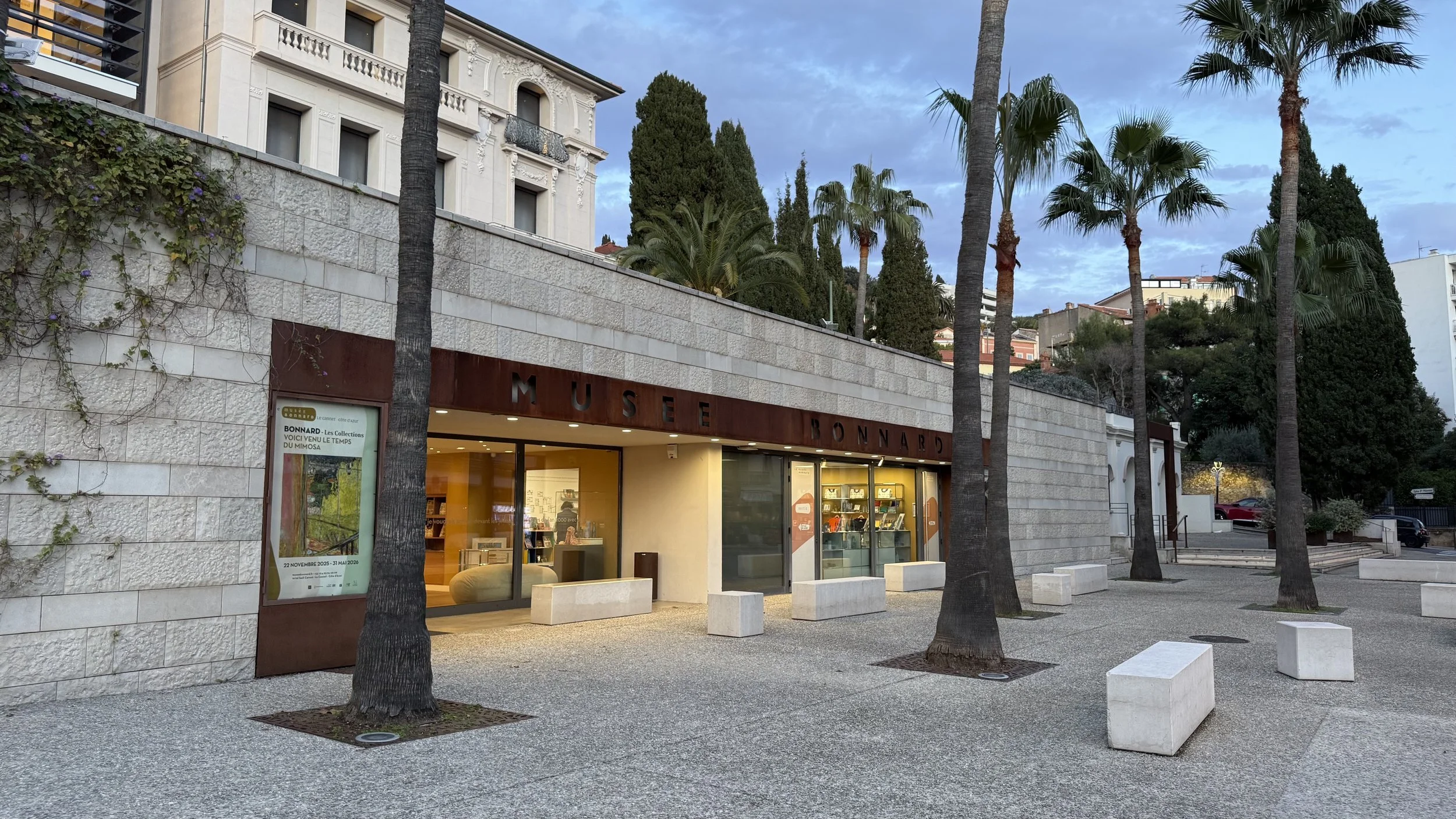
The Bonnard Museum in Le Cannet is the only museum in the world dedicated to Pierre Bonnard. Located in a charming Belle Époque villa with a dramatic modern extension, it showcases his paintings, drawings, and photographs, highlighting his deep connection to the landscapes and Mediterranean light of the French Riviera. Bonnard lived in Le Cannet, the quiet town on the hill directly above Cannes, for the last twenty years of his life, and painted his garden, his wife, his breakfast table, the view from his window, over and over and over. Not out of repetition but out of something like devotion.
If you are coming from Cannes, Le Cannet is fifteen minutes by bus or a short taxi ride, or about a 45-minute walk if the morning is beautiful and you feel like earning the view. Go early, grab a coffee on the way, and let the town wake up around you. Don't miss the views from Rue St. Sauveur or the Mirador de Le Cannet. And if you're staying for lunch or dinner, L'Atelier Joseph has a terrace looking out toward the sea — a lovely way to end the visit.
Address: 16 Boulevard Sadi Carnot, Le Cannet
Closed Mondays, 15 minutes by bus or a 45-minute walk from Cannes
Fondation Maeght — Saint-Paul-de-Vence
For: the most beautiful art foundation in France
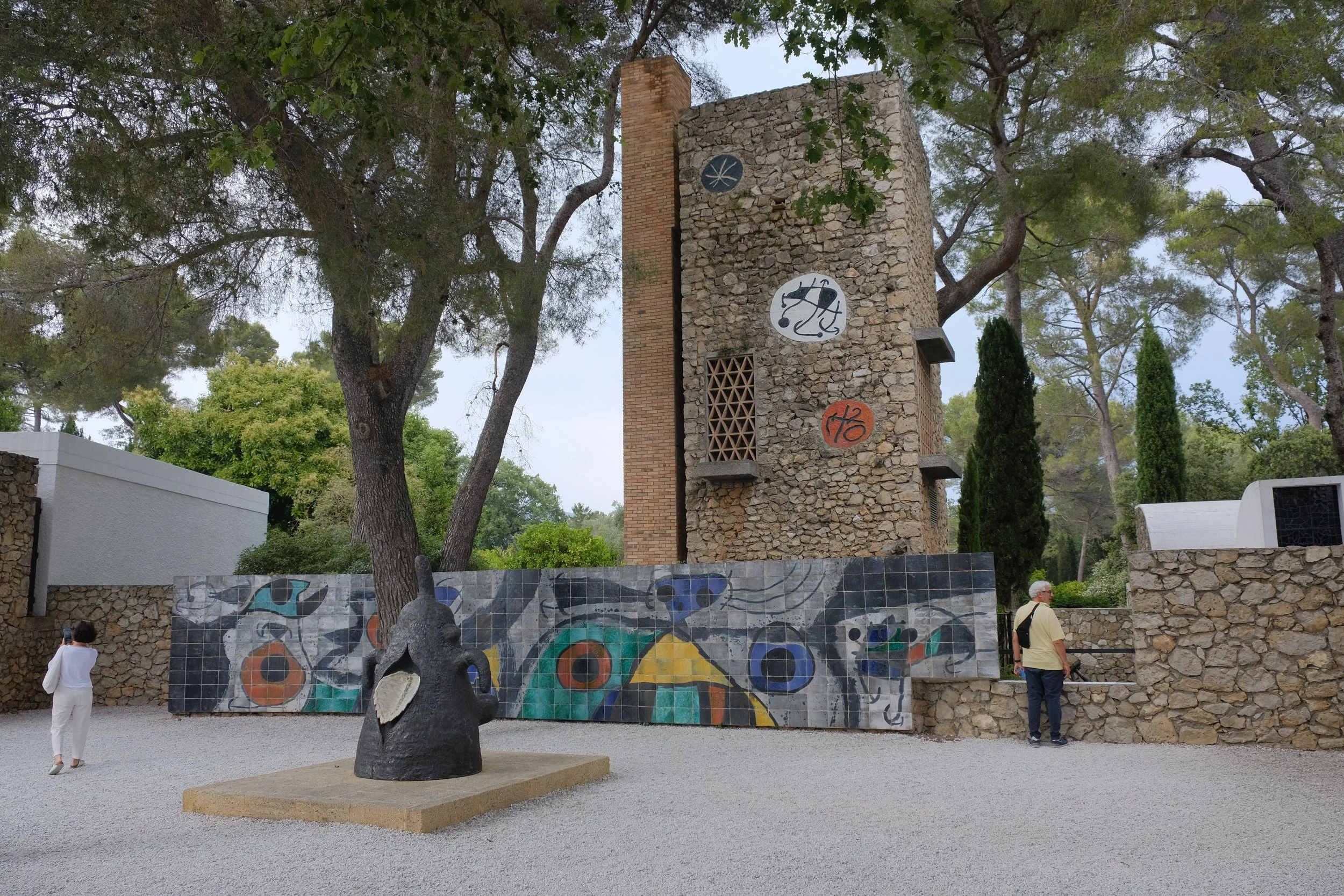
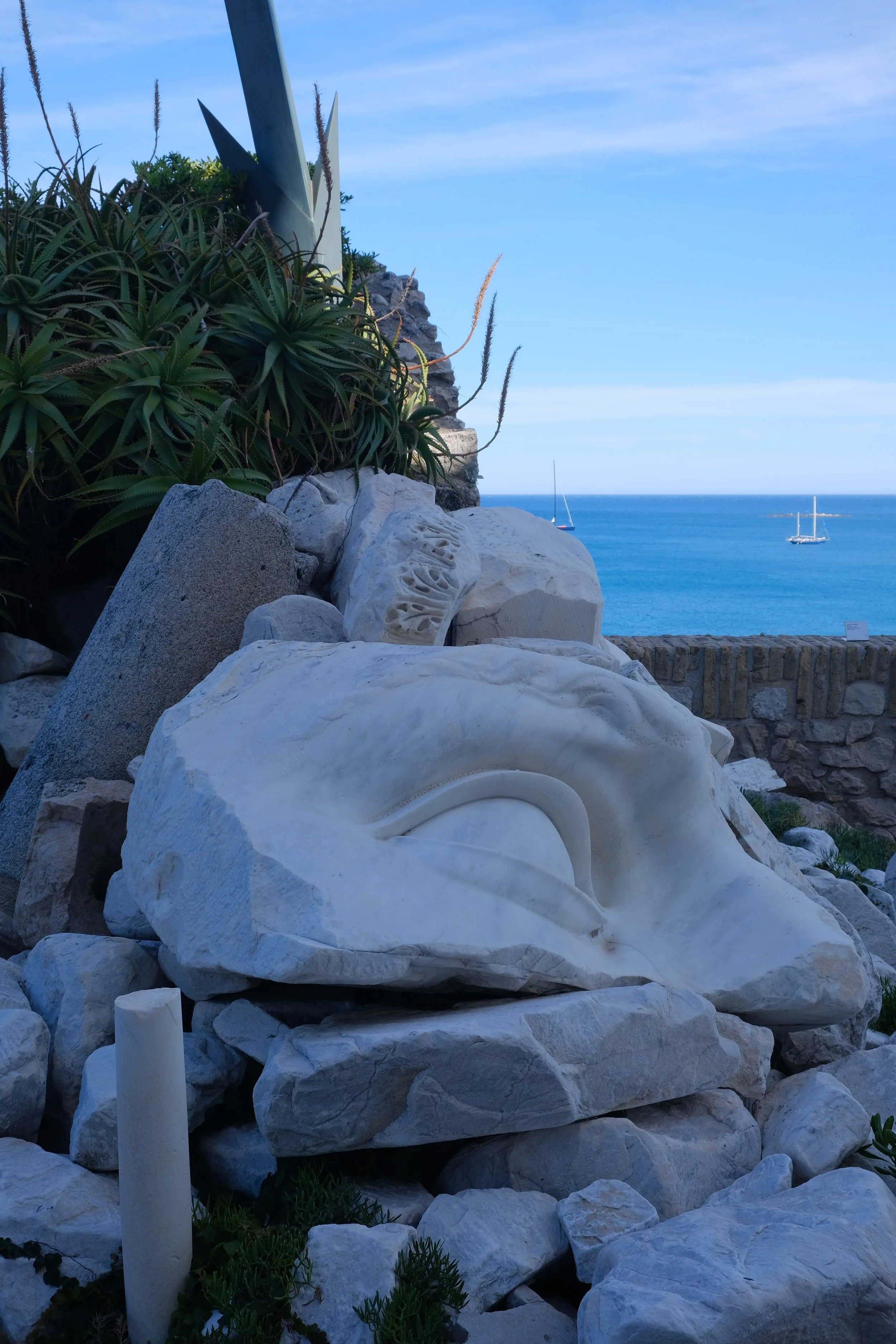
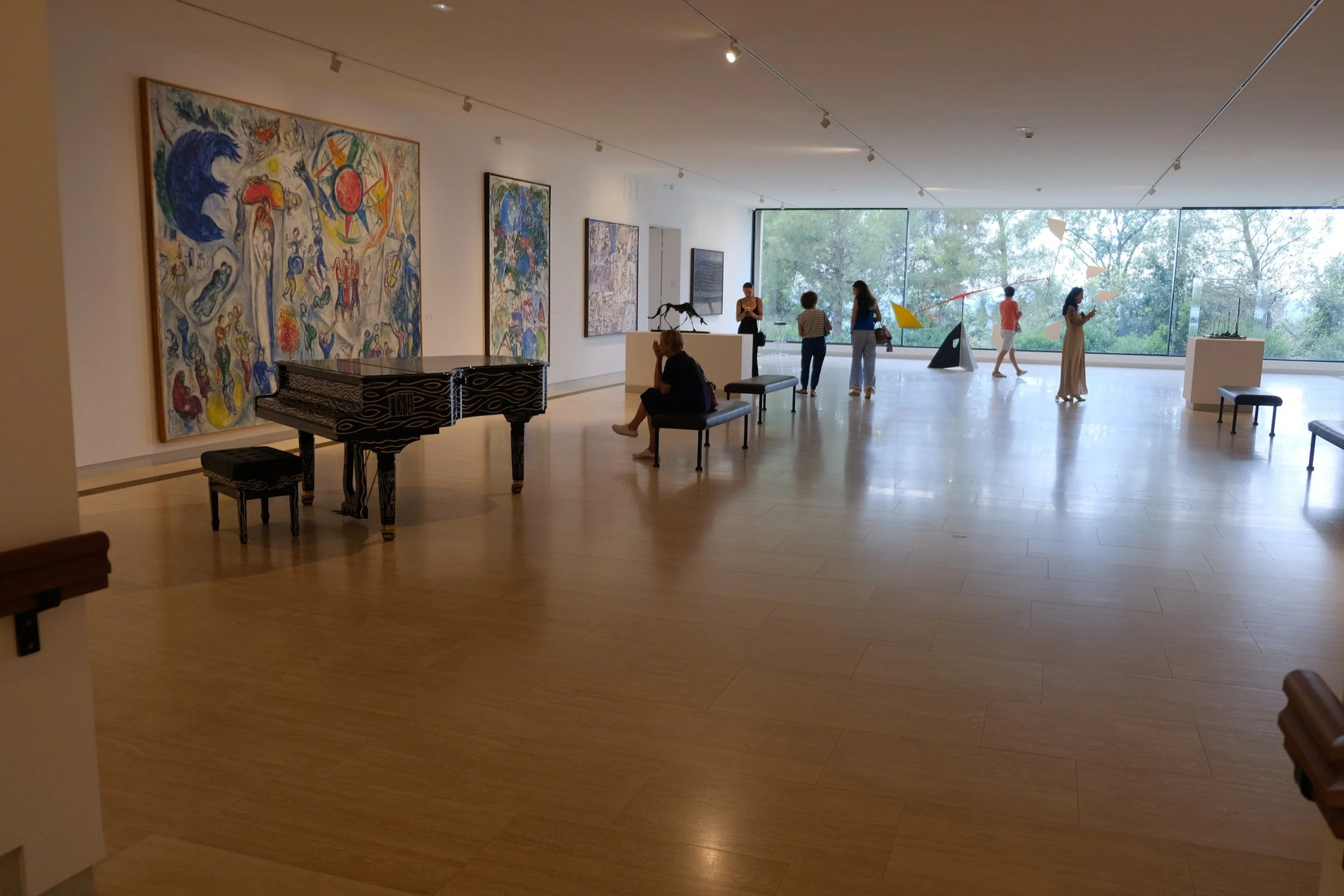
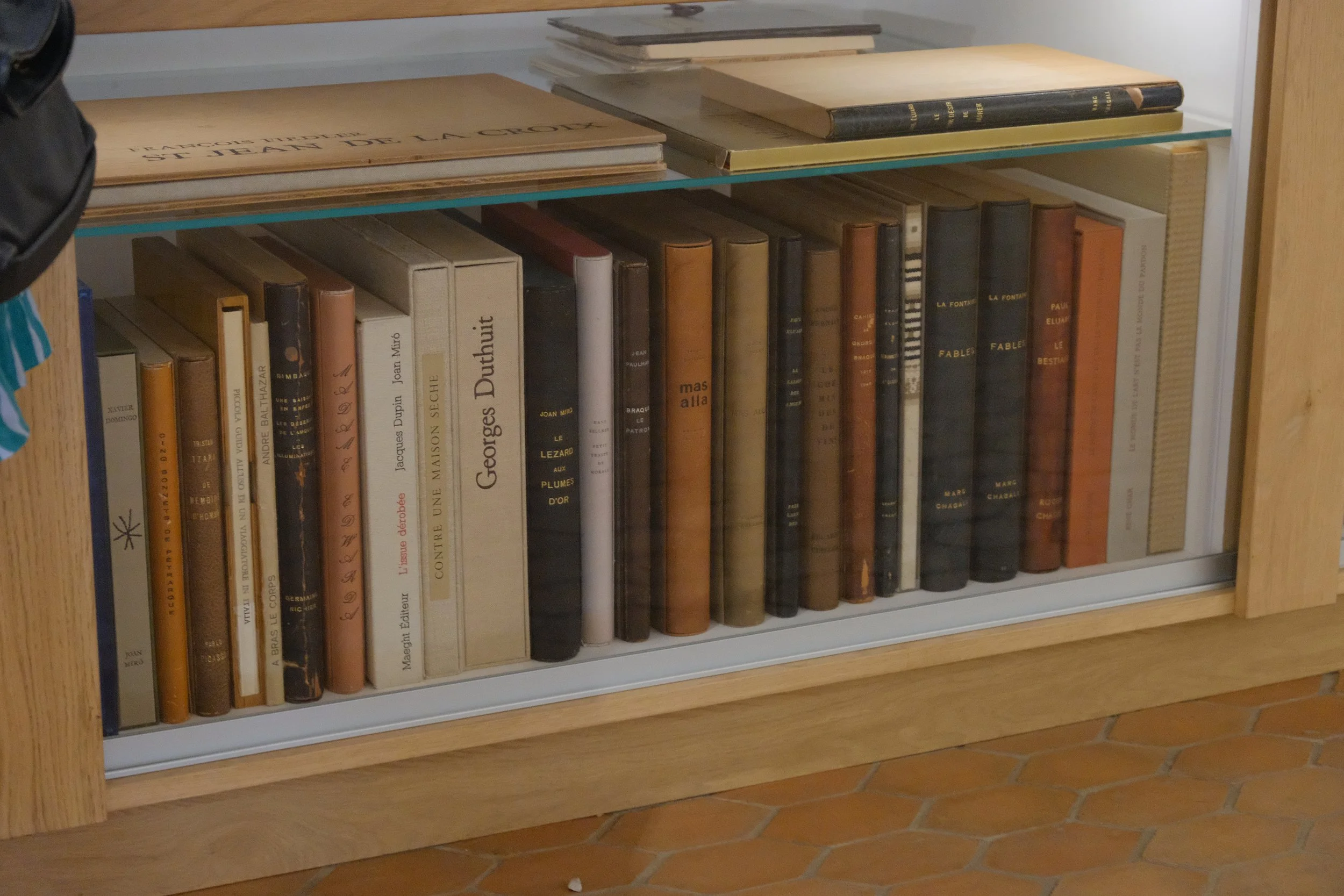
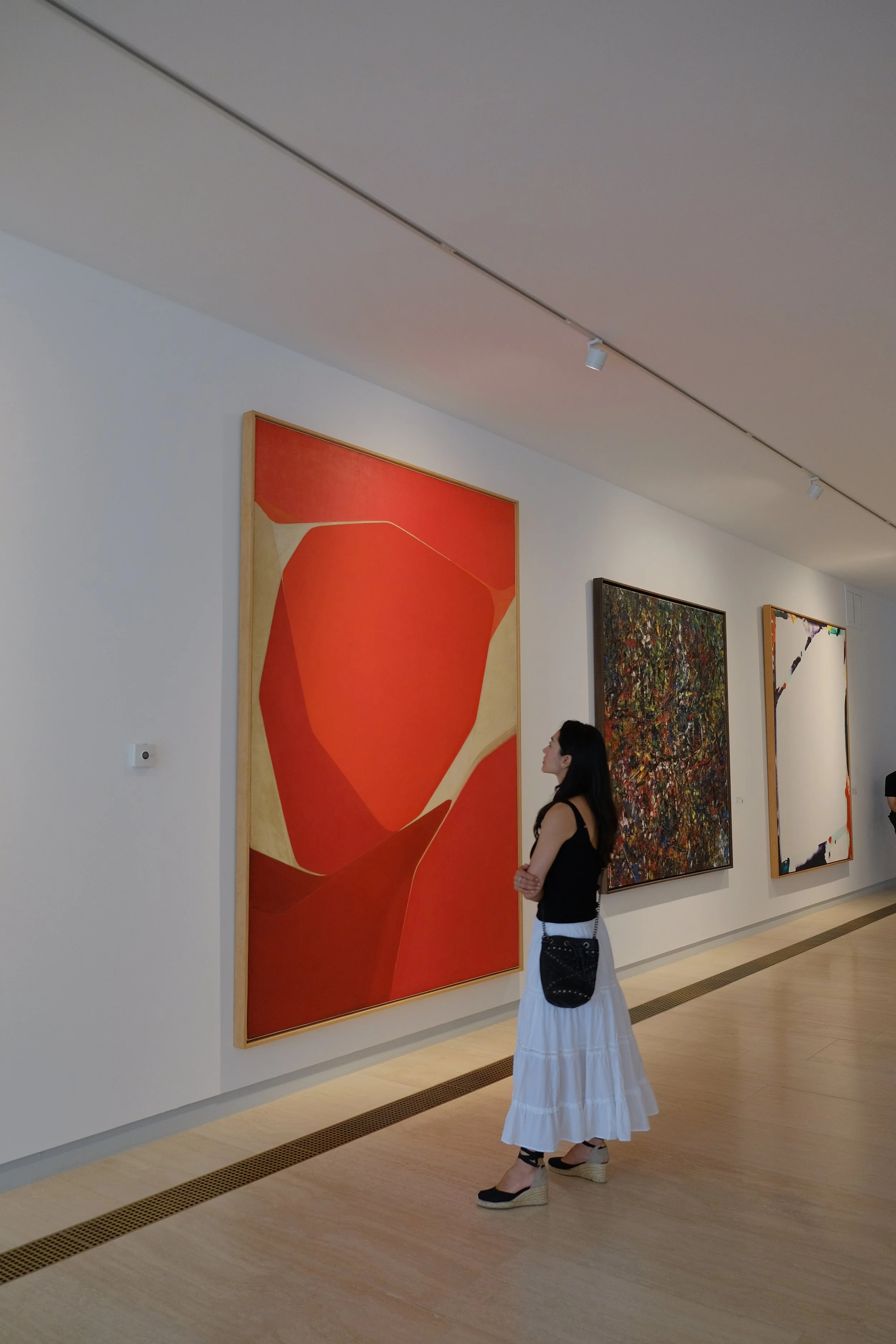
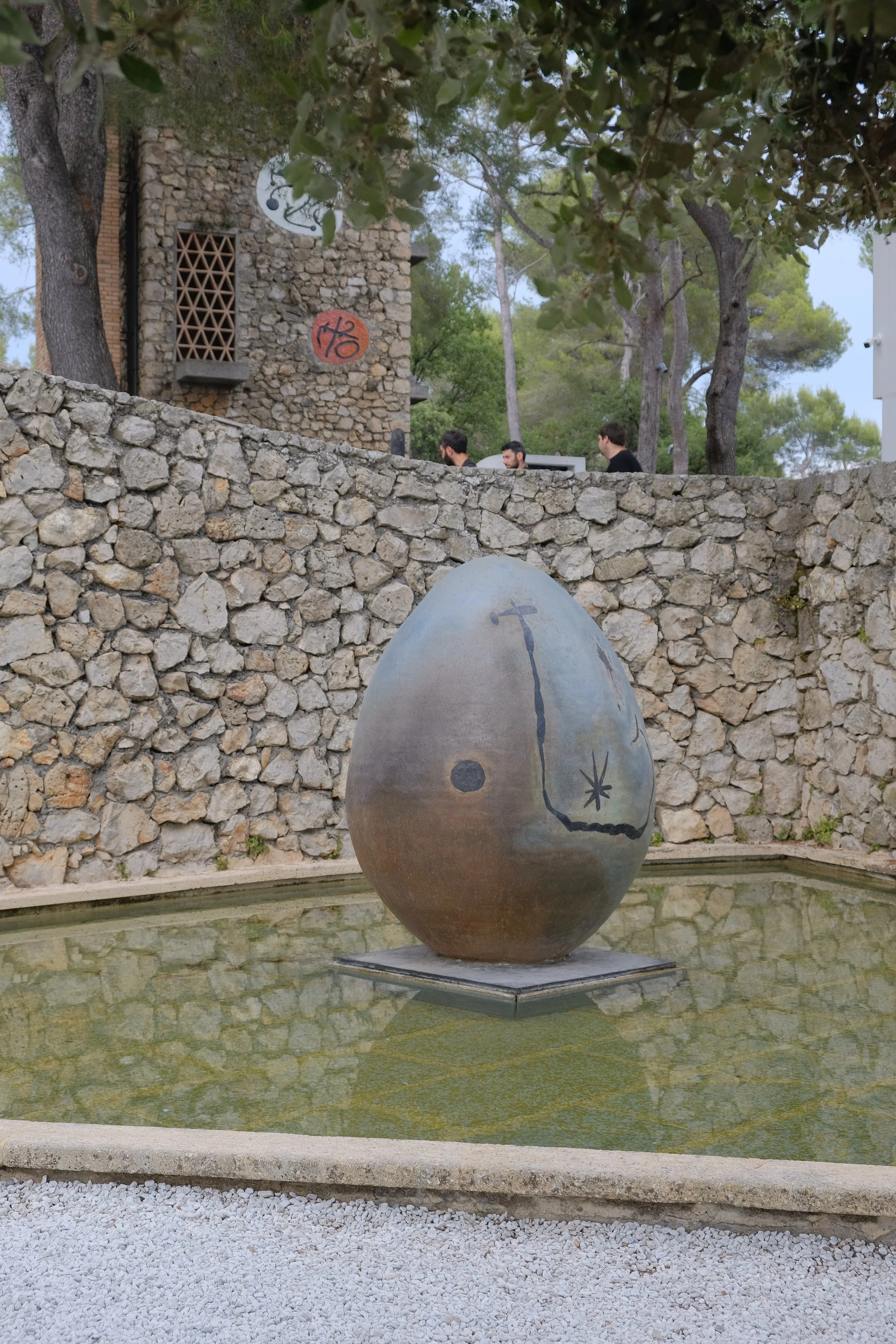
If you visit only one museum from this entire list, let it be this one. The Fondation Maeght was created in 1964 by art dealers Aimé and Marguerite Maeght. The collection began with a donation from the founders and today comprises 15,000 works, with a library holding 45,000 volumes. Among them, 3,000 works by Joan Miró — he created 20 monumental works for the Labyrinth and, over the years, donated part of his œuvre to the Foundation. If you appreciate Miró's work, this alone is worth the journey.
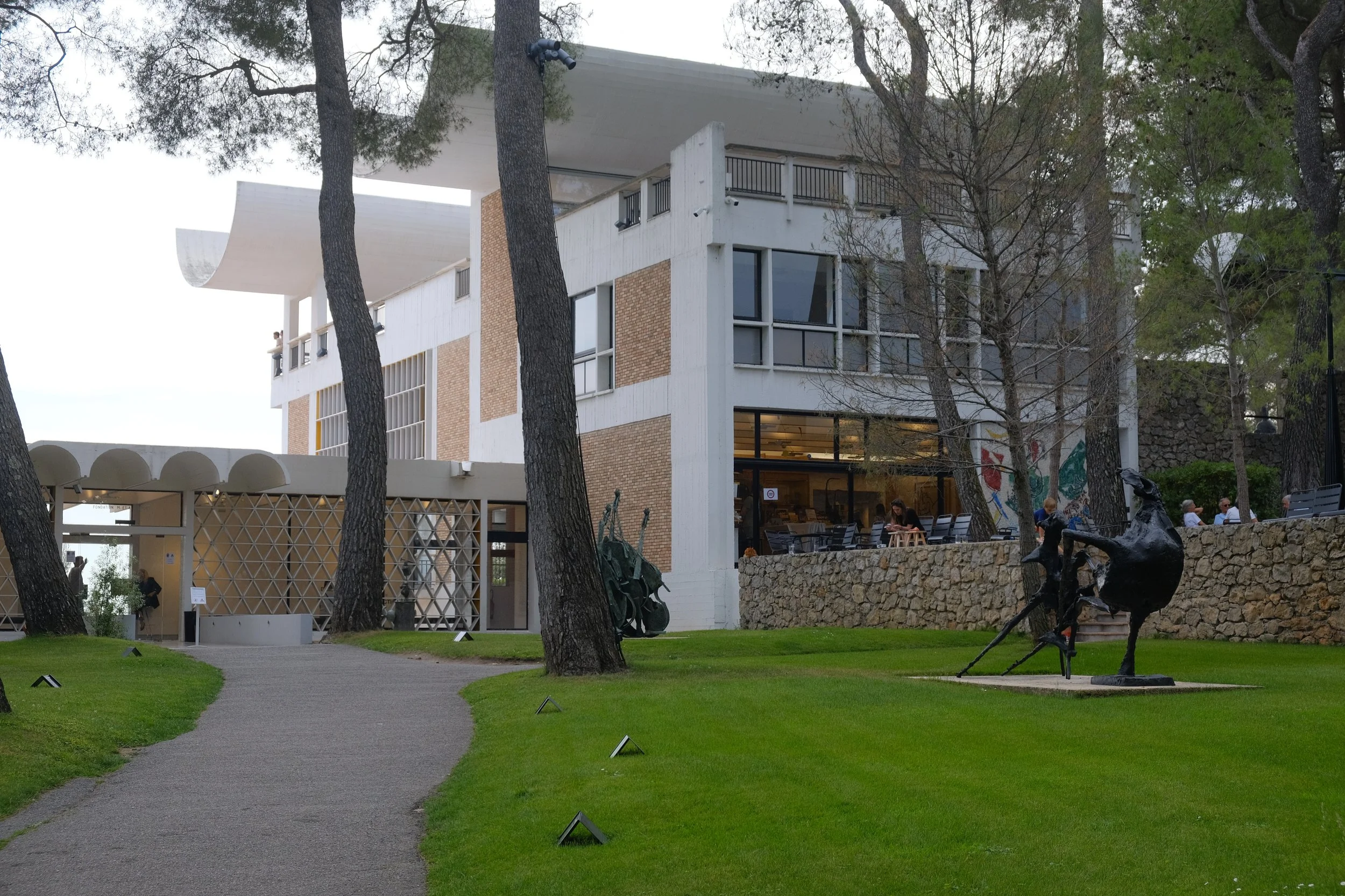
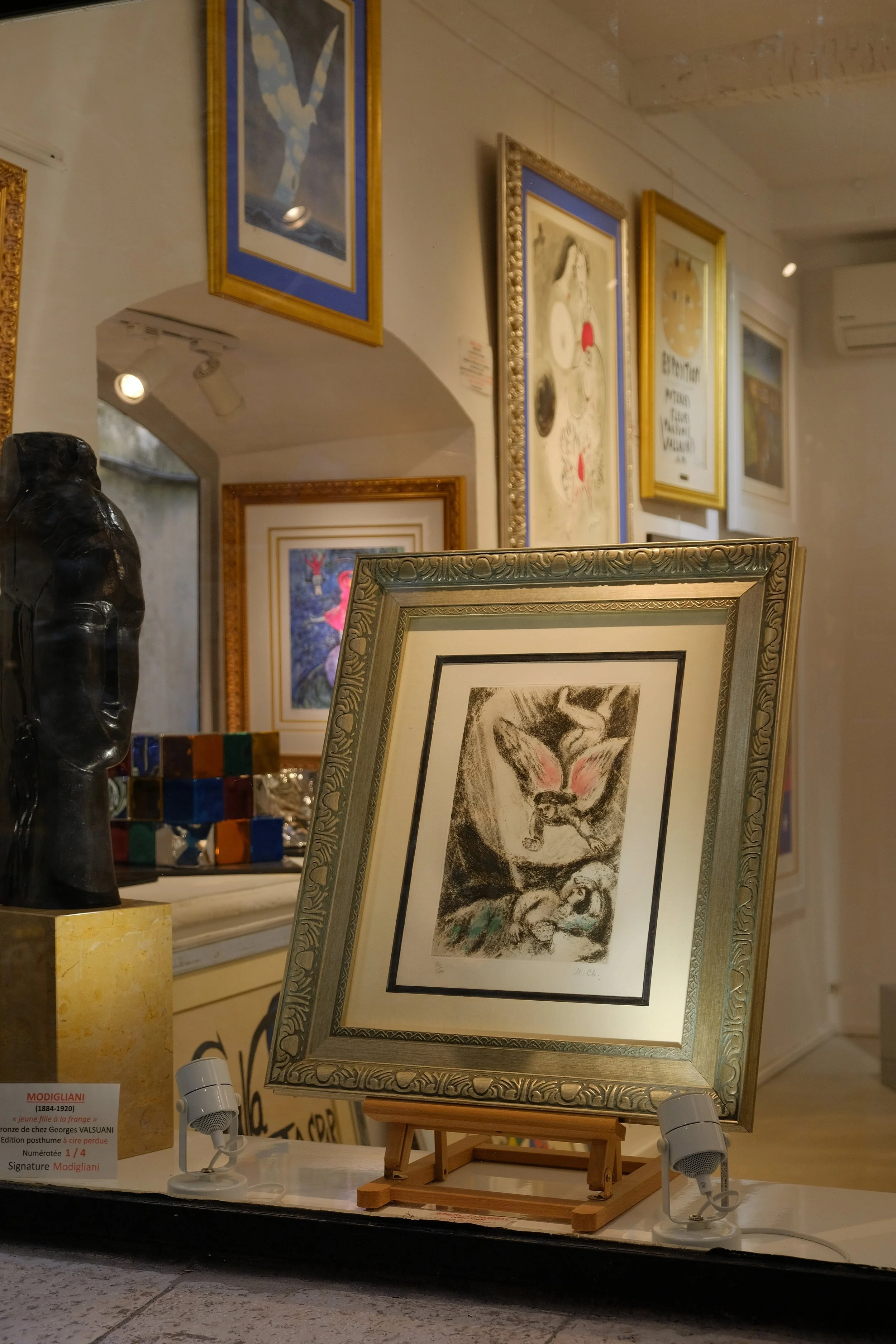
It is a place where art is experienced not just inside white gallery walls but in the landscape itself. The building was designed by Josep Lluís Sert. The gardens were created in collaboration with Miró, Giacometti, Braque, and Calder — which means the sculptures, mosaics, and stained glass are not decorations placed in a garden, but works of art conceived specifically for this place. It is one of those rare experiences where art and place become completely inseparable. The permanent collection also includes Chagall, Braque, Léger, Kandinsky, and many others. The temporary exhibitions are consistently excellent.
In the garden you'll also find a restaurant called Sous les Pins par Les Agitateurs (Under the Pines by Les Agitateurs), serving local cuisine in one of the most beautiful settings imaginable. I noticed they had some dishes with figs last year — and I will definitely be back during fig season to try their creations. Because I am still collecting recipes for my fig cookbook.
Address: 623 Chemin des Gardettes, Saint-Paul-de-Vence
Open daily, 45-minute walk with beautiful views from the village Saint-Paul-de-Vence
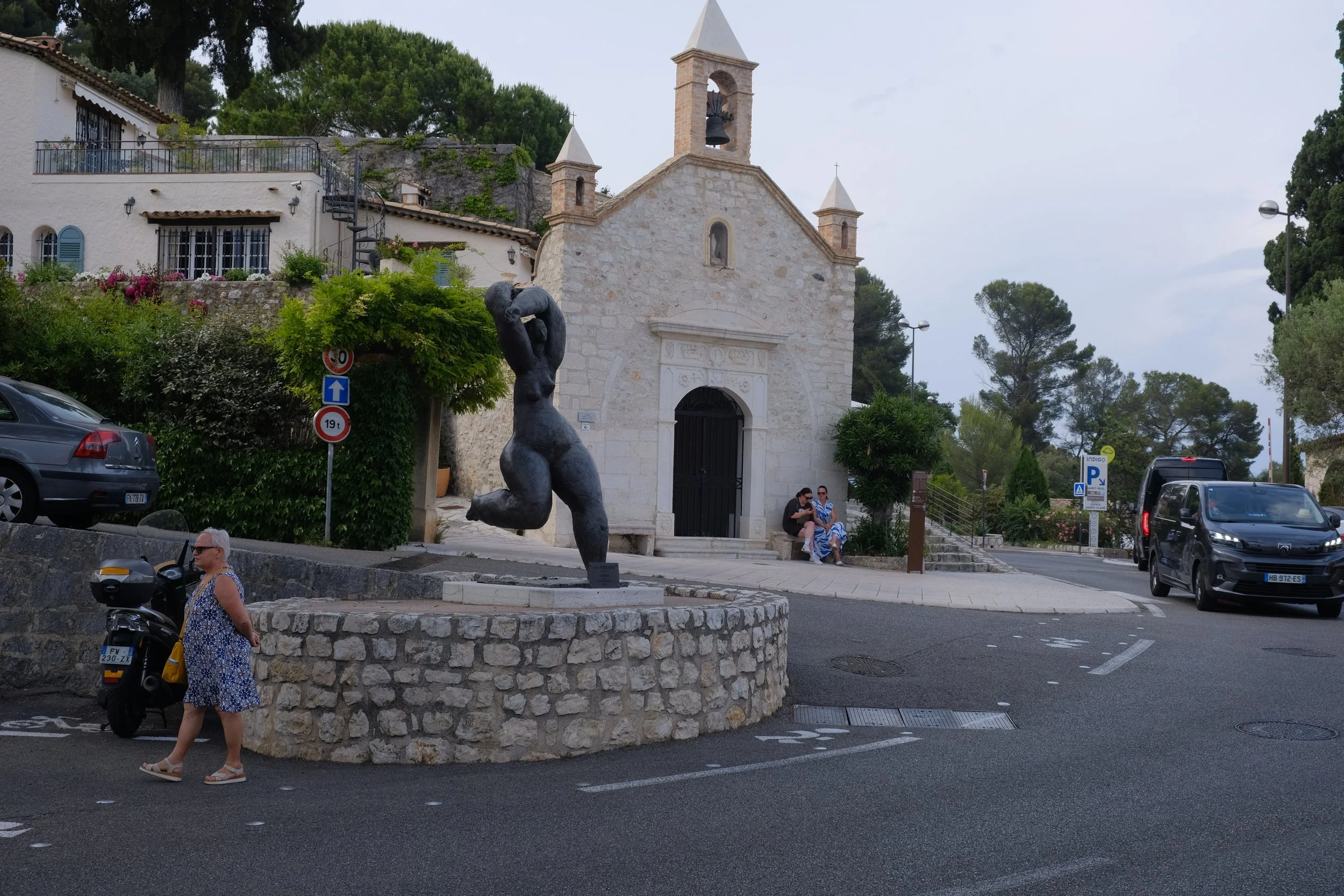
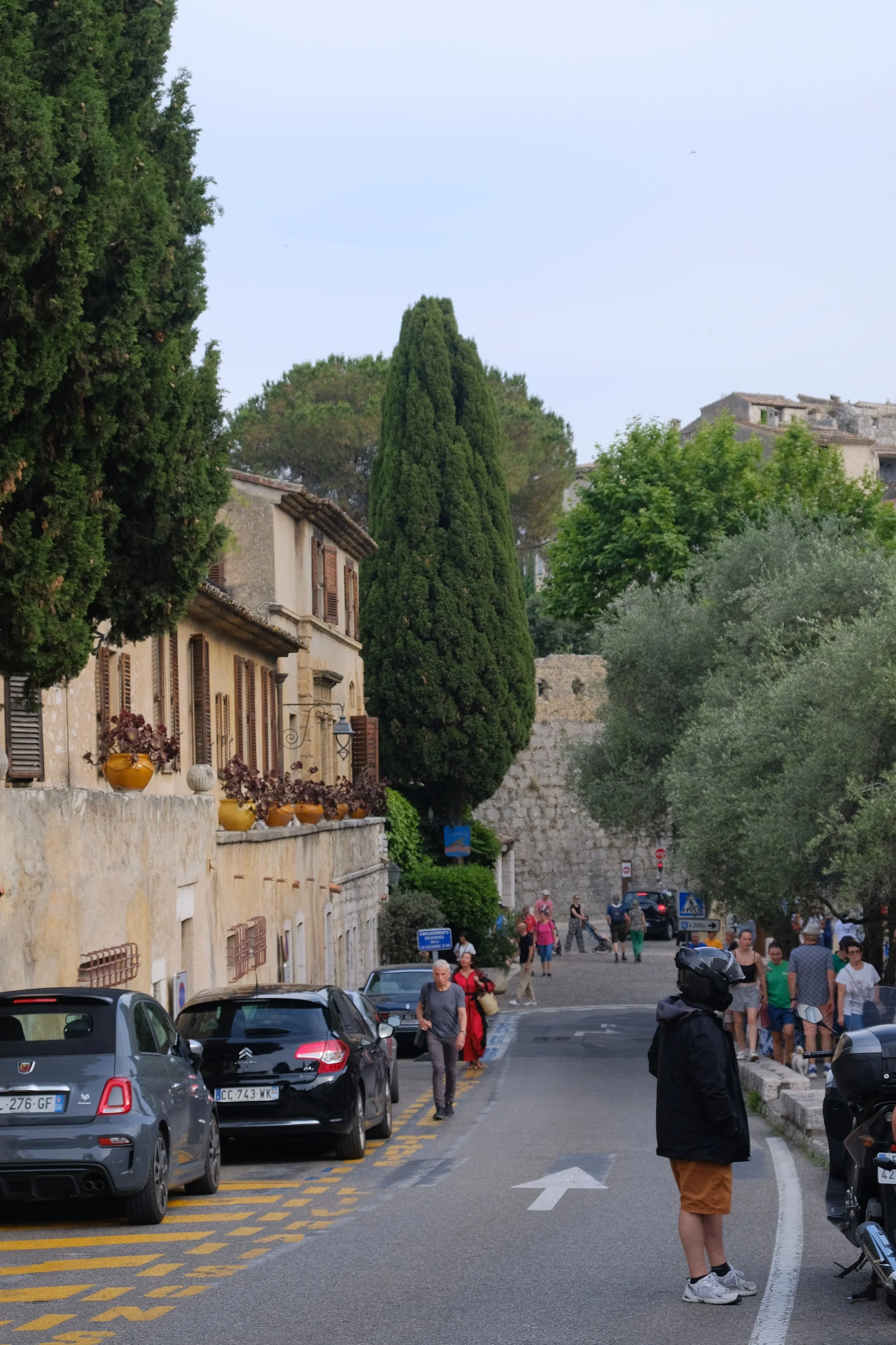
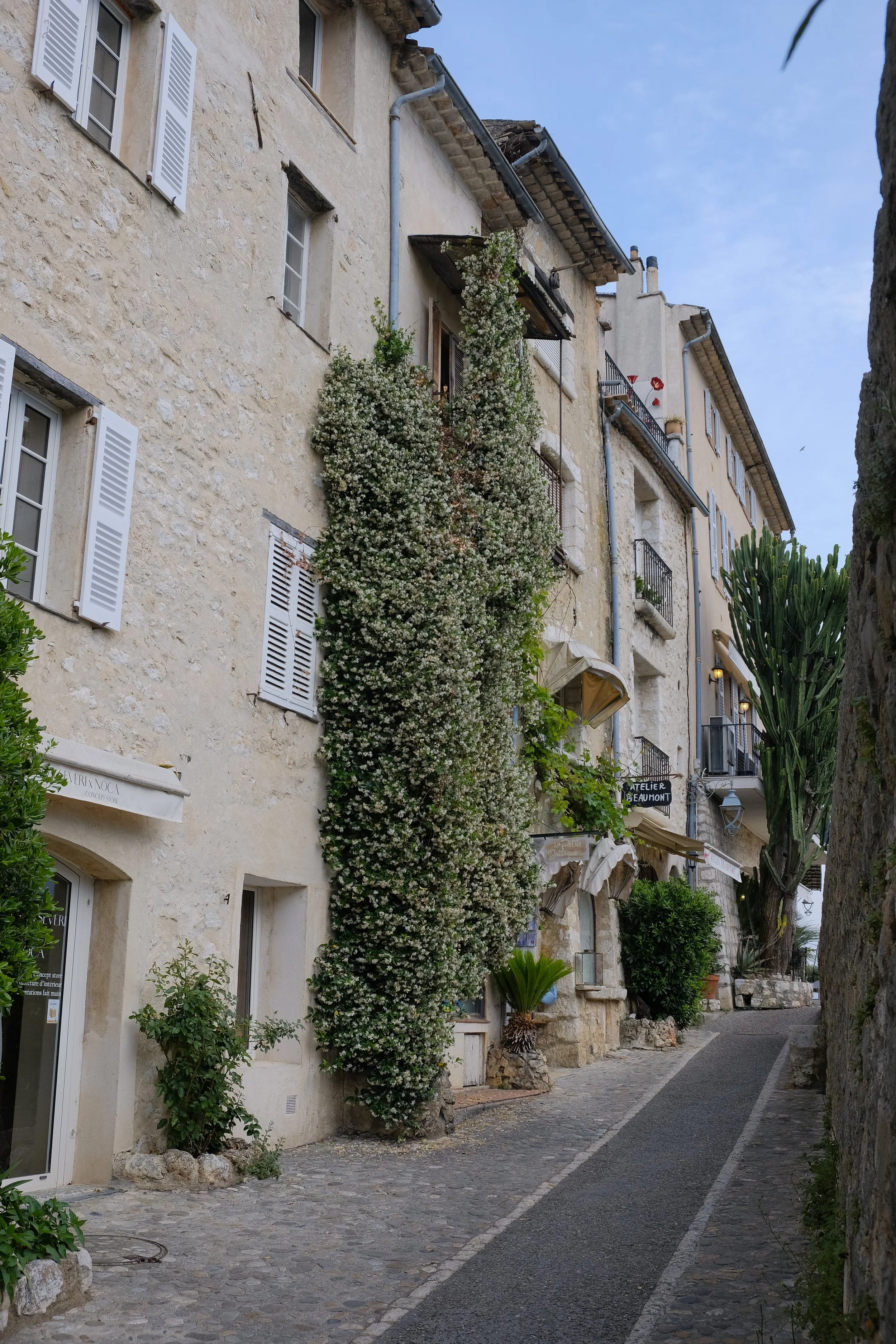
The village of Saint-Paul-de-Vence surrounding it — medieval, walled, perched on a hill with views in every direction — deserves time of its own. Walk the cobbled streets, let yourself get a little lost, and stay for sunset if you can. The light here in the evening is extraordinary, and after everything you've just experienced inside the Foundation, sitting on a terrace and watching the hills turn golden feels like the natural ending to a perfect day.
Two restaurants I like in the village: Restaurant Le Tilleul and Benista — both have beautiful terraces and both are worth booking in advance, especially in the evenings when they fill up quickly.
One Last Thought
Why did so many of the greatest artists of the 20th century end up on this particular stretch of coast? Part of it is the light, part of it is the warmth, the slowness and lack of pressure, the olive trees and the sea and the markets full of colors. And another part of it is that they came to visit each other, and then stayed because the others were staying, and the conversations were good I guess. Because there’s nothing more precious than a conversation with people who can understand you without an explanation, with whom you can speak the same ‘language‘ and it feels effordless.
But the deeper reason is joie de vivre — the South of France has it in the air and in the food, in the way people sit at café tables on terraces as if they have nowhere more important to be. (I wrote about what this actually feels like in my Cannes guide.) And art is nothing more than someone trying to capture that feeling and give it back to the world. So, these museums are that feeling in kind of preservation.
More stories from the South of France are coming — Nice, Èze, Saint-Tropez, and a food guide to the whole coast. Subscribe to Spoonful Journeys below so you don't miss them!
Written: June, 2026.
Please note that places can change or even close temporarily — which is always a bit heartbreaking, especially when they were as wonderful as I remember and recommend. I hope you’ll find them just as delightful!
